
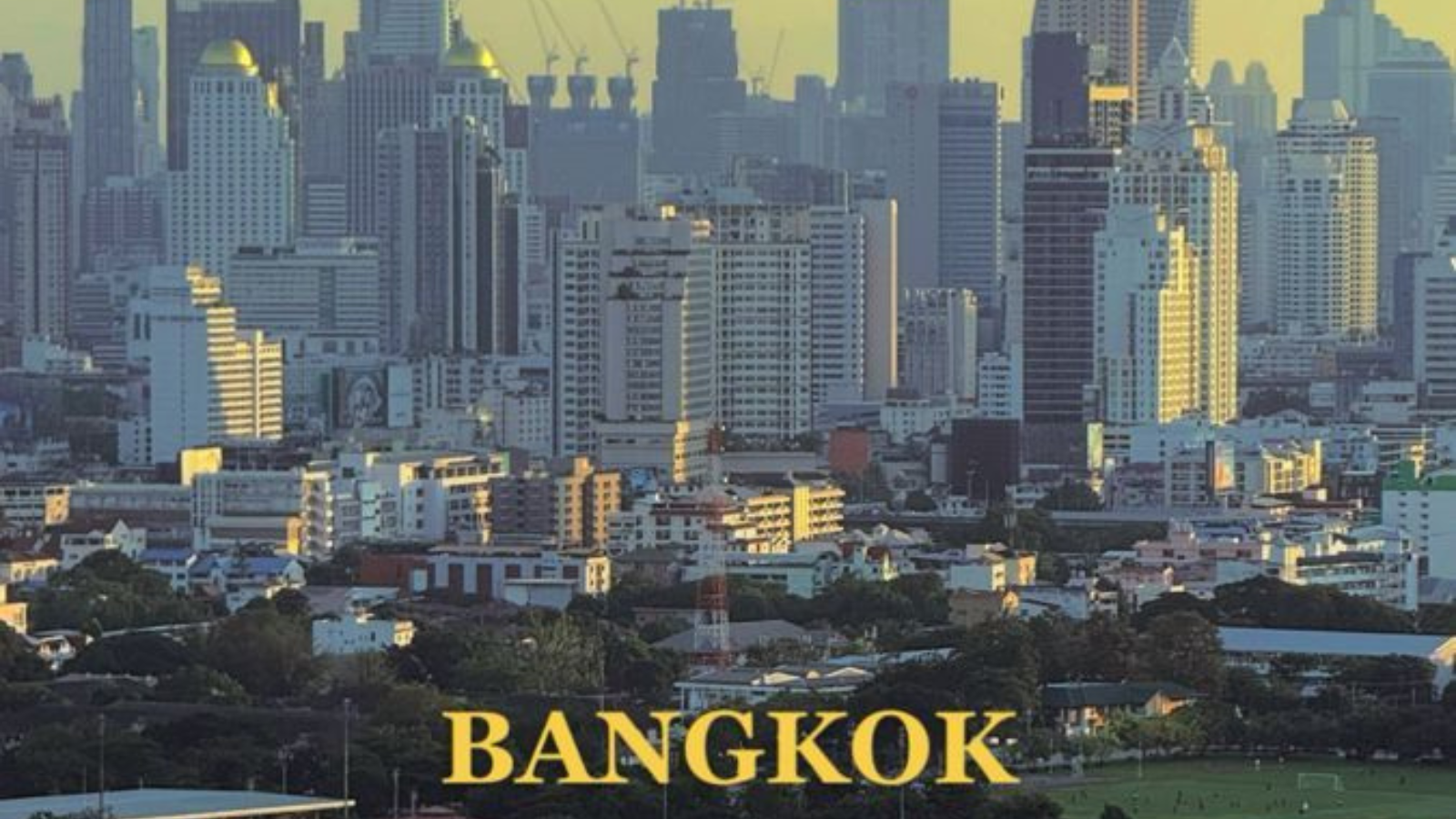

Bangkok became the setting for the official global launch of AIX Exchange, described as the world’s leading RWA-driven Web3 trading platform. The launch ceremony drew an international crowd and positioned Thailand’s capital as a focal point for a moment the organizers framed as significant for the sector.
The event was hosted by AIX Foundation Inc. and co-hosted by Feixiaohao, with support cited from Inception Program Inc., M12 Microsoft’s Venture Fund Inc., and OpenAI Inc. The gathering brought together more than 400 attendees, including representatives from the Thai government, blockchain executives, and investors traveling from the United States, Canada, Australia, Italy, India, Malaysia, Hong Kong, and mainland China.
Opening Remarks Emphasize Thailand’s Digital Economy Ambitions
The program began with a keynote address from Khun Kon Thappharangsi, Thailand’s former deputy prime minister, who cast the country as a key hub within Southeast Asia’s fast-developing digital economy. He underscored that Thailand has consistently treated emerging financial technology as a national priority, reflecting a broader push to cultivate innovation while strengthening the foundations of digital commerce.
Against that backdrop, he pointed to the decision to hold AIX Exchange’s global unveiling in Bangkok as more than a symbolic choice. In his view, the platform’s debut in Thailand signaled fresh opportunity for the local market and added meaningful energy to the region’s wider blockchain and digital-asset ecosystem.
Compliance and Security Take Center Stage
Following the keynote, General Chusin Angkhasirisap of the Royal Thai Army delivered a special address that shifted attention to the practical realities surrounding blockchain adoption. He stressed the importance of building systems that prioritize compliance and security, and he reinforced the idea that real-world application matters as much as technological ambition.
He also recognized AIX Exchange for what he characterized as an active, forward-leaning approach to navigating international compliance frameworks. The remarks framed regulatory alignment not as an obstacle but as a necessary step for credibility, resilience, and responsible growth as blockchain projects seek broader participation across borders.