

Asas Makeen Development and Investment Co. said it has received three invoices under the idle land fee framework totaling SAR 1.65 million, dated Jan. 1, tied to land plots that fall within the officially designated geographic areas of the White Land Fees System. The company’s disclosure framed the bills as a regulatory development affecting specific parcels rather than a shift in its broader asset base.
In line with applicable accounting standards, the firm noted that the amounts have been recognized as financial liabilities. It also signaled that, when measured against the scale of its portfolio and overall assets, the invoices are not expected to create a material effect on its financial position. The liabilities, the company said, will be reflected in the financial statements for the relevant reporting period, as outlined in its Tadawul filing.
Riyadh Plots Tied to Development Pipeline
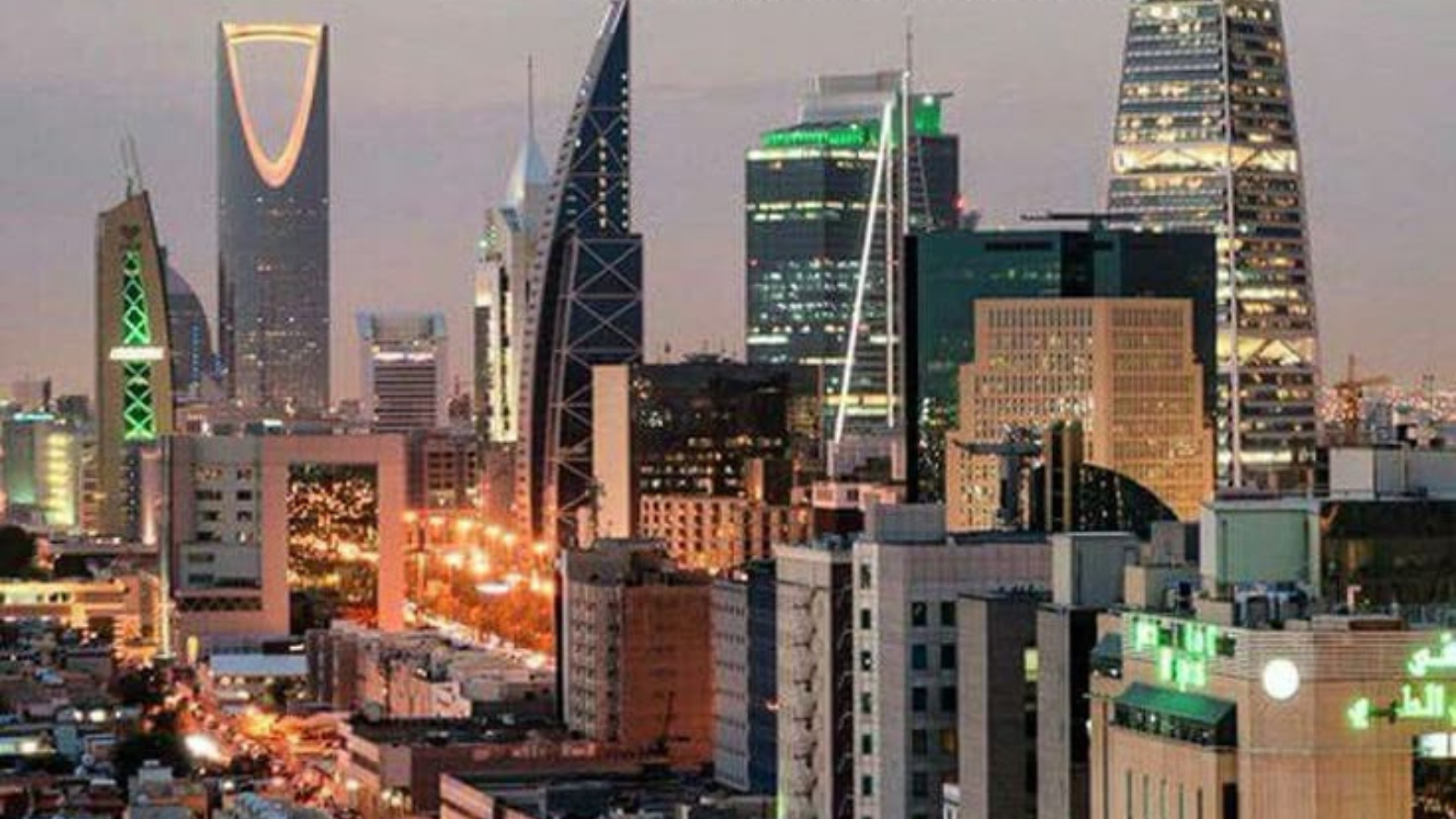
The lands referenced in the statement include plots in Riyadh that sit within the announced boundaries used for the idle land fee assessments. Asas Makeen described these sites as part of its future development pipeline, positioning them as properties intended for upcoming projects rather than passive holdings left untouched over time.
The company added that work is underway to finalize the regulatory development requirements associated with these lands. By presenting the properties as active components of forward planning, the disclosure emphasized progress and process, suggesting the plots are being handled within a development roadmap rather than being held without movement.
Company Prepares Formal Appeal, Cites “Under Development” Status
Asas Makeen said it considers the relevant plots to be “under development,” and on that basis, it believes they should not be treated as “White Land” under the definitions set out in the governing regulations. That interpretation sits at the center of the company’s intended next step: formally contesting the invoices through the appeal process.
Accordingly, the firm stated it plans to submit an official objection, exercising its legal right to dispute the assessed fees and to proceed through the required legal channels. It also indicated that it will provide disclosure of any material developments if further information emerges or if there are updates connected to the invoices or to the objections it submits.
The latest disclosure aligns with remarks attributed to the company in September 2025, when it asserted that its land holdings were classified as developed and under-development investment properties, and that it did not possess white lands subject to the tax. The broader policy backdrop remains in place as well: the Ministry of Municipalities and Housing has announced Riyadh’s geographic zones and the applicable tax brackets for idle lands, with annual rates set according to priority tiers.
Under the tiered structure referenced in the context of the system, the annual fee is set at 10% of land value for tier 1 (highest priority), 7.5% for tier 2 (high priority), 5% for tier 3 (medium priority), and 2.5% for tier 4 (low priority). Tier 5 (non-priority) lands carry no annual tax, but they are still included in the owner’s overall idle land count within city limits.