

Matthew Gauger once made his living in nightclubs, a world built on volume, velocity and image. When the Covid-19 pandemic abruptly shut that economy down, it also severed his social identity. What followed was not an immediate reinvention but a period of idleness and personal reckoning that coincided with a broader digital shift. During those same years, social media usage surged globally, reaching more than 5 billion users by 2024, according to DataReportal.
Gauger began posting online without a clear mission, chasing reach with short, humorous videos. Growth came slowly. After three years, his account had around 25,000 followers. The inflection point arrived when he replaced irony with instruction, turning to homesteading, gardening and self-reliance. “I decided I wanted to do something meaningful,” Gauger said. The shift did not shrink his audience. Within a month, it doubled.
An Internet Built Around Shared Interests
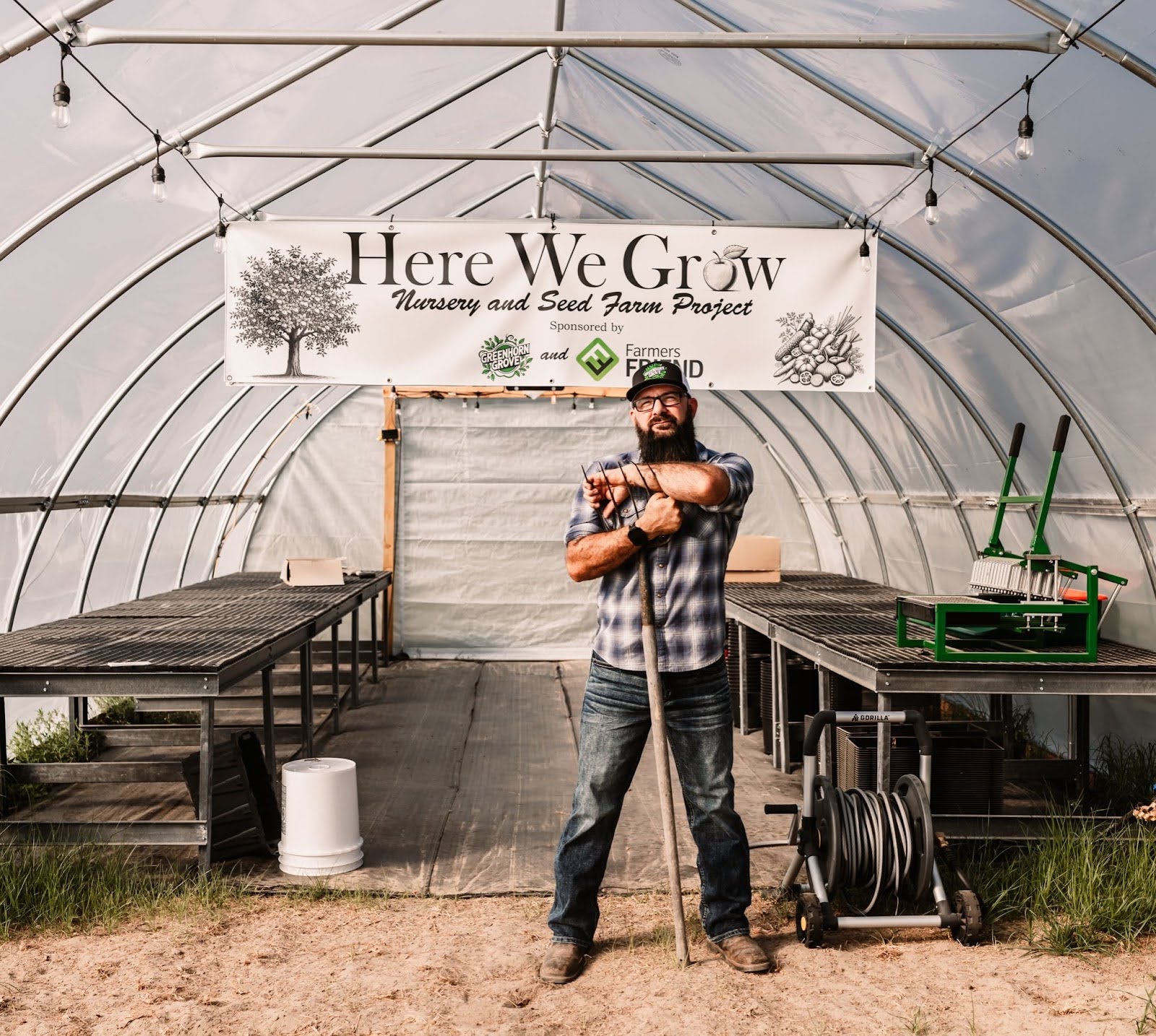
Today, Gauger reaches more than 1.6 million followers across platforms under the name Greenhorn Grove. His videos are steady and conversational. He avoids political framing, steers clear of controversy and rarely comments on breaking news unless it affects food, land or local recovery efforts.
That runs against the grain. Research from the Pew Research Center shows that emotionally charged content, especially anger, spreads faster online. Gauger’s feeds look different. Scroll his comments and you’re more likely to see debates about watering schedules than ideological arguments. “Common interests are more powerful than common enemies,” he said, a line he returns to often.
There is a practical effect to that restraint. People who come for how-to advice tend to stay for more of it. Posts are saved, shared privately and revisited weeks later when something needs to be planted or fixed. The growth curve is slower than viral outrage, but steadier.
Turning Online Attention Into Practical Work
Over time, Gauger began asking a harder question: what happens after people watch the video? In 2024, he incorporated Here We Grow, a nonprofit focused on self-sufficiency, food access and community-scale projects.
The backdrop is sobering. The U.S. Department of Agriculture reports that 13.5 percent of American households experienced food insecurity in 2023, affecting more than 47 million people. Gauger does not claim that seed kits or free guides can reverse a national trend. Instead, Here We Grow aims for smaller, repeatable steps: distributing seeds with clear instructions, publishing free homesteading guides and helping communities rebuild after disasters.
That work took on urgency after Hurricane Helene struck western North Carolina in late 2024. Here We Grow partnered with a local effort to help fund temporary housing and volunteer infrastructure. “We’re not fixing everything,” Gauger said. “We’re helping people stabilize something they can control.”
A Model Built On One Voice—And The Risks That Come With It
Here We Grow’s reach still depends heavily on Gauger’s personal following. That is both an advantage and a vulnerability. According to a 2024 analysis by the Chronicle of Philanthropy, nonprofits built around digital creators often grow quickly but struggle if leadership and funding remain too closely tied to one person.
Gauger is aware of the risk. The organization is young, with its first full public filings still forthcoming. Long-term success will depend on building systems that function even when he is offline. For now, his visibility keeps volunteers engaged and donations flowing, while the work remains deliberately modest in scale.
What sets the project apart is not its size, but its tone. In spaces online that reward outrage and speed, Gauger has opted for patience and repetition. He asks people to plant something, care for it and share what they learn. “I don’t want to be famous for being loud,” he said. “I want to be useful.”
That goal may not translate into explosive growth, and it does not promise quick fixes. But it has created a different rhythm online, one tied less to anger and more to action. In a digital environment optimized for reaction, Gauger is testing whether consistency and kindness can still find an audience – and whether that audience will carry those habits into the real world.