

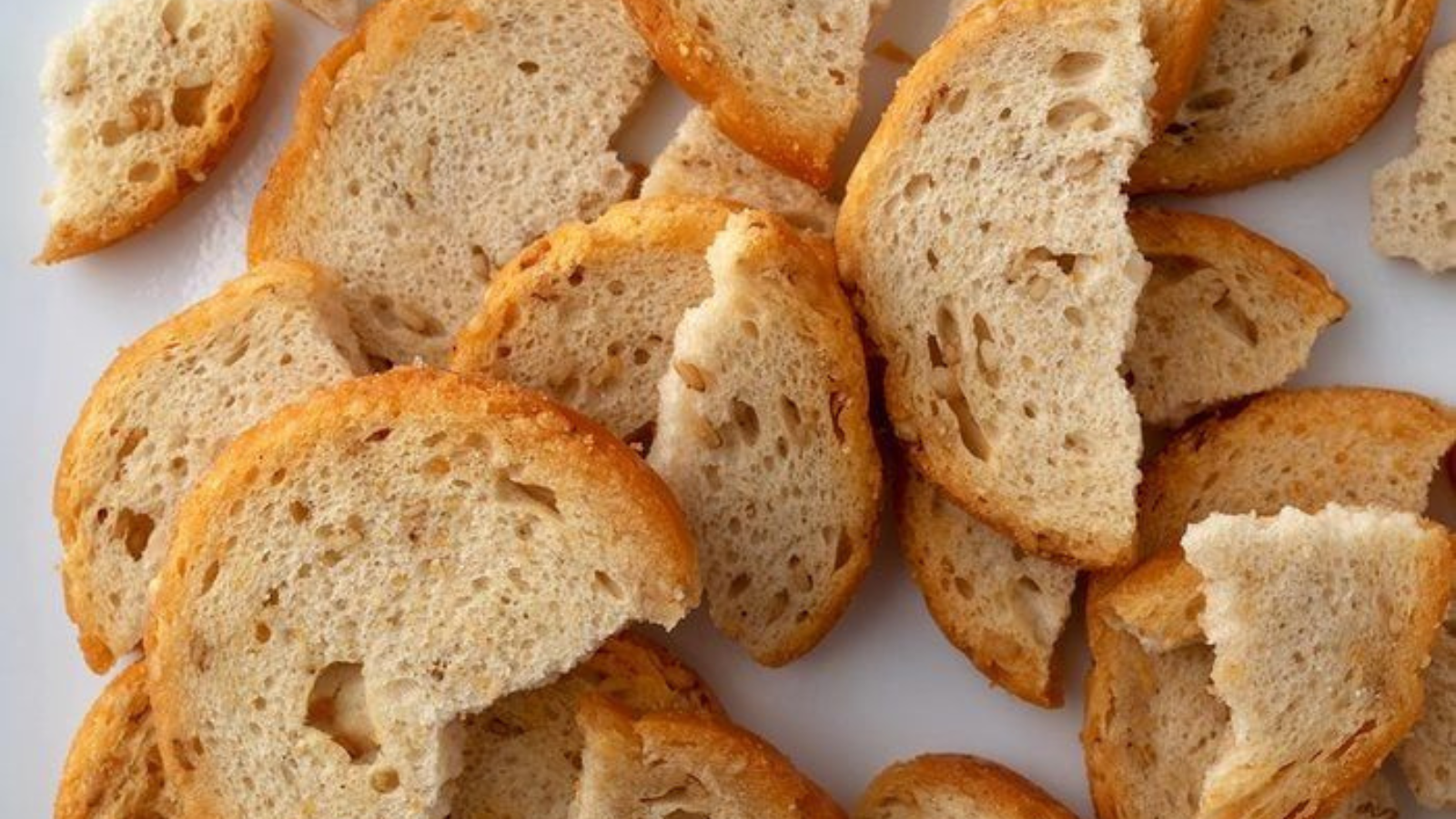

Bread comes in every familiar form, from tangy sourdough to soft white sandwich slices and hearty rye. Recently, though, another term has started circulating in conversations about food testing: “glyphosate bread.” It is not a product category you can find printed on packaging, and it is not a special variety stocked on a supermarket shelf. Instead, it’s an informal label that’s grown out of a set of test results released in Florida.
The Florida Department of Health routinely analyzes foods sold in the state for potential chemicals or toxins, then shares findings intended to help keep residents informed. In one round of screening focused on bread, the state tested eight different products and found measurable amounts of glyphosate in several of them. Glyphosate is a chemical commonly used in certain weed-control products, so its appearance in food testing can prompt immediate concern from shoppers.
Those results raised an obvious question for anyone who buys bread regularly: if glyphosate turned up in Florida’s testing, does that automatically mean people elsewhere should be alarmed too? The state’s report has fueled plenty of curiosity, partly because bread is such a daily staple and partly because the science and public discussion around glyphosate exposure has long been complicated.
Defining “glyphosate bread” and which brands tested positive
In Florida’s reporting, “glyphosate bread” simply refers to bread products that returned positive test results for glyphosate. The state framed the testing as part of the Healthy Florida First initiative, championed by First Lady Casey DeSantis. In a statement shared via Governor Ron DeSantis’ website, she described the results of the Department of Health’s bread analysis as troubling and emphasized that the purpose of the testing is to give Floridians information they can use when choosing food for themselves and their families.
That framing matters because it positions the test results less as a single headline and more as a consumer-awareness effort. Florida’s approach, as described, is designed to publish findings that help residents make more informed decisions in the grocery aisle, especially when questions arise about what might be present in commonly eaten products.
According to reporting cited from the Tallahassee Democrat, six of the eight breads tested came back positive for glyphosate. The brands and products listed as testing positive were Nature’s Own Butter Bread and Perfectly Crafted White, Dave’s Killer Bread White Done Right and 21 Whole Grain, Wonder Bread Classic White, and Sara Lee Honey Wheat. The state’s testing results, and the fact that more than half of the sampled products were positive, are what gave rise to the nickname and the wider discussion that followed.
What glyphosate is and what experts say about human risk
To understand why the findings drew attention, it helps to know what glyphosate does. WebMD describes glyphosate as a nonselective herbicide, meaning it is designed to kill a broad range of plants and grasses rather than targeting only specific weeds. It works by disrupting a plant’s ability to produce certain proteins it needs to survive and grow, which is why it can be effective in weed-control applications.
Glyphosate has been used widely in the United States since 1974, and its presence extends beyond large-scale farming. It can be used in settings ranging from household lawns to major agricultural operations, which is part of the reason it remains a recurring topic in public health conversations. When a chemical is that common, questions about potential exposure tend to follow it into discussions about food.
The challenge is that public understanding often runs into the same obstacle: uncertainty. WebMD notes that research and debate over the safety of glyphosate exposure has not produced a universally agreed-upon conclusion in the public eye. Some studies suggest that long-term exposure may be associated with cancer risk, while other studies have found no human risk when the chemical is used according to manufacturer directions. Beyond cancer-related concerns, other research has pointed to possible effects on the liver and kidneys, including mentions of non-alcoholic fatty liver disease. It is this unsettled landscape, where different studies appear to point in different directions, that helps explain why Florida health officials took notice and released the bread testing information for the public to evaluate.
For consumers who prefer to be cautious, WebMD suggests steps focused on reducing potential exposure through everyday choices. That includes choosing organic foods and washing foods and vegetables carefully before eating them. These suggestions are framed as practical precautions for people who want to minimize contact with substances they find concerning, even when the broader scientific and regulatory debates are still contested.