

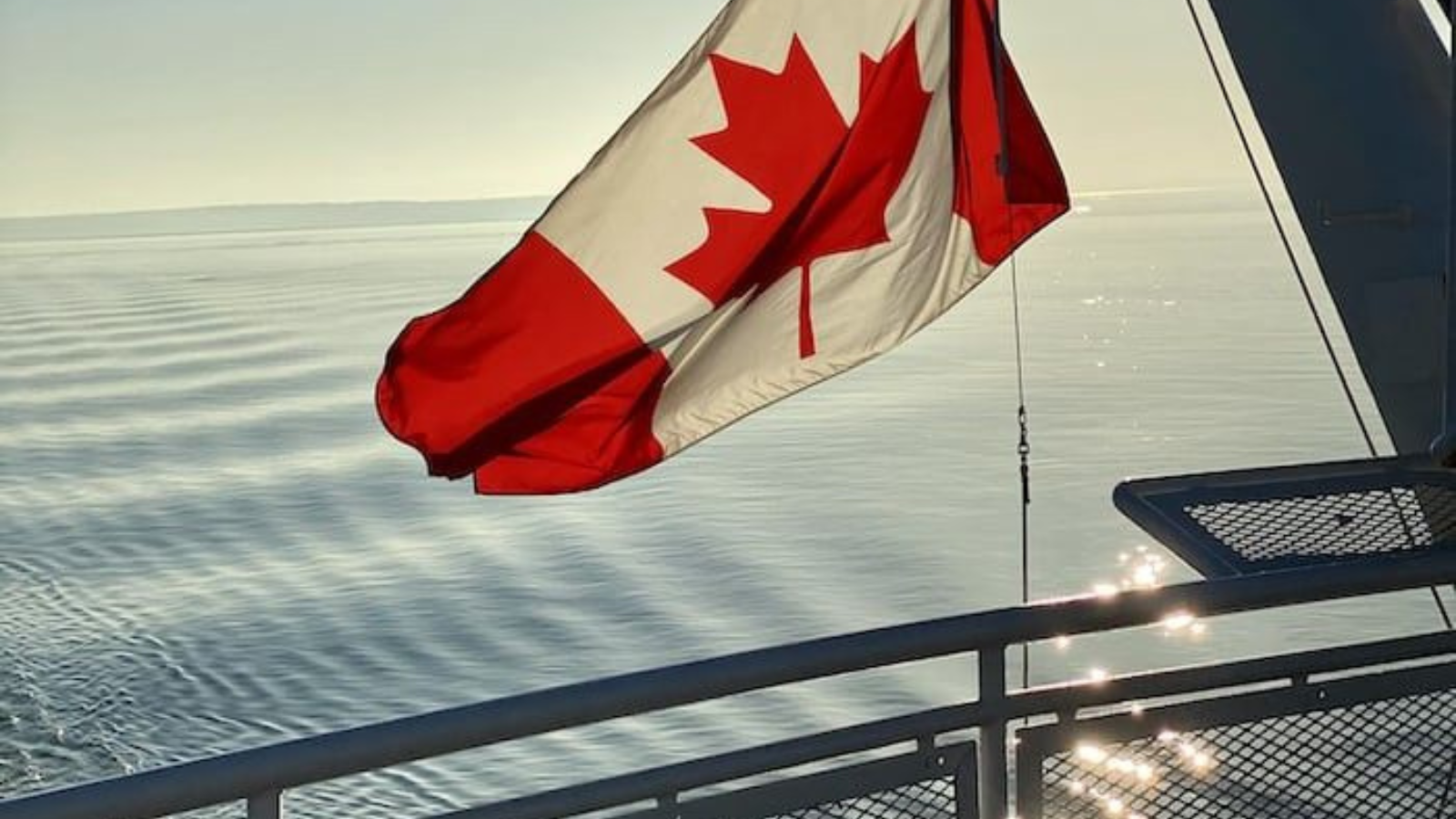

Canada’s relationship with the water is easy to understand the moment you look at a map. The country is stitched together by countless lakes, long rivers, and a coastline that seems to go on forever. For many Canadians, that geography is not just scenery. It is an invitation to fish at dawn, spend weekends at the cottage, or book a guided tour that shows off rugged shorelines and small coastal towns. As more people answer that call, marine power is quietly becoming one of the most important pieces of the recreational boating experience.
Across the industry, the conversation often lands in two places at once. On one side are the familiar engines that have powered small craft for generations, especially outboard motors that can be serviced and swapped with relative ease. On the other is a growing curiosity about electric propulsion, driven by boaters who value low-noise operation and cleaner performance on the water. Both can be true at the same time, and that balance helps explain why Canada’s marine engine market is gaining momentum without moving in only one direction.
What is consistent is the expectation that a motor has to handle Canadian conditions. Buyers want power that starts reliably, runs efficiently, and holds up in environments that can change quickly, from bright summer afternoons to cold, damp mornings. That practical mindset is shaping demand and influencing which products stand out at dealerships and online listings.
Where Demand Is Concentrated and What Buyers Want
In many of the country’s most active boating corridors, interest is rising in step with participation. Communities in Ontario, British Columbia, and Quebec are frequently cited as leaders, reflecting both population density and strong recreational boating cultures. These regions have deep networks of marinas, service shops, and local dealers, which makes it easier for boaters to buy, maintain, and replace engines as needed. That support system matters, because boating is rarely only about the purchase. It is also about keeping equipment dependable throughout the season.
Outboard motors remain the dominant choice for many Canadian boaters, and the reasons are straightforward. They are widely available, familiar to mechanics, and generally simpler to maintain than more complex setups. If something fails during peak season, the ability to repair quickly or replace without major disruption can be the difference between a lost weekend and a boat that is back on the water. Dealers also point to a strong preference for fuel efficiency, a focus that tends to sharpen when people think about long days of fishing or repeated trips between islands and shore.
At the same time, electric motors are drawing steady attention, particularly among boaters who prioritize quiet operation and want an option that produces no emissions. For certain use cases, that appeal is immediate. A quieter ride can change the entire feel of a morning on a calm lake, and the absence of engine exhaust aligns with the values of eco-conscious operators. Still, the current reality is that these motors are better suited to smaller boats and shorter outings, so interest does not automatically translate into universal adoption. For now, electric propulsion is part of the mix rather than a full replacement for traditional power.
Safety and reliability remain inseparable from the discussion, and not just in theory. Transport Canada emphasizes that safe boating depends on more than the vessel itself, pointing to the importance of regular engine maintenance and proper training for operators. Boaters looking for official guidance can refer to Transport Canada’s marine safety and boating information through their boating safety page..
New Engines, Used Options, and a Market That Stays Busy
For many Canadian buyers, the engine decision is also a budgeting decision, and the market reflects that reality. Industry data indicates a split between those purchasing new motors and those exploring second-hand alternatives. New engines often come with warranties and updated technology, which can provide peace of mind for owners who want predictable performance and clearer support if problems arise. In a country where weather and water conditions can be demanding, that reassurance carries weight.
Yet the used market continues to attract significant interest, largely because it offers a lower entry price. For boaters who are buying their first setup, upgrading from a smaller craft, or simply trying to keep costs under control, pre-owned motors can feel like a practical path to getting on the water sooner. Online platforms and local marine dealerships still see strong activity around listings of boat motors for sale, underscoring how much demand exists beyond the showroom floor.
Many reports also suggest the second-hand segment remains robust in regions with heavy recreational boating, which makes sense when you consider how established boating communities function. Where there are more boats, there are also more upgrades, more seasonal turnover, and more opportunities for buyers and sellers to meet in the middle. That cycle keeps inventory moving and gives shoppers a wider range of choices, even when they are not purchasing new.
The key point is that this is not a niche or stagnant corner of the boating world. Whether someone values the certainty of new equipment or the affordability of used power, the Canadian market offers multiple routes to a working engine. The decision often comes down to intended use, tolerance for risk, and how much support a buyer expects after the sale.
Cleaner Technology Ahead, With Traditional Power Still Essential
Looking forward, analysts expect Canada’s marine power landscape to keep edging toward cleaner technology. Electric and hybrid options are widely seen as the direction of travel, with greater availability anticipated over the coming years. That shift is not framed as a sudden break from what came before, but rather as a gradual broadening of what boaters can choose depending on their needs and the kind of waters they frequent.
Even as that transition unfolds, traditional outboard and inboard engines are expected to remain essential, particularly for larger boats and more demanding trips. Range, power requirements, and the realities of longer outings still support the continued role of conventional propulsion. In practical terms, that means the near future will likely look like the present: a diverse market where multiple technologies coexist because boating itself is not one single activity. A short cruise on a sheltered lake and a longer run along open coastal water do not ask the same things of a motor.
For Canadian boaters, that diversity can be an advantage rather than a complication. It allows people to match propulsion to lifestyle, budget, and personal priorities, whether the goal is quiet local outings, reliable multi-day performance, or a balance of both. For now, the story of marine power in Canada is not about one winner replacing everything else. It is about expanding options, steady demand, and a country whose waterways continue to pull people outside and onto the water.