


The question keeping most marketing leaders awake at night isn’t about budget allocation or which platform delivers the best ROI. It’s more fundamental—and slightly unsettling: why would a 22-year-old trust advice from someone on TikTok over a brand’s perfectly produced commercial?
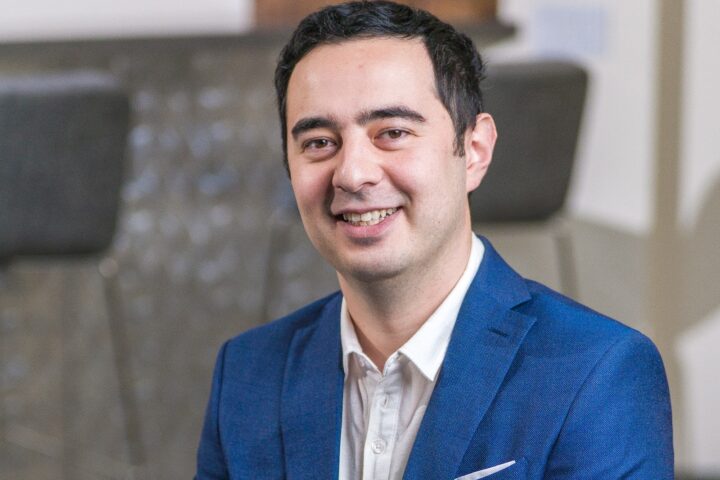
For Spanish entrepreneur Pablo Gerboles Parrilla, who transitioned from professional golf to building several multimillion-dollar marketing and technology companies, the answer comes down to one word: authenticity.
“Most brands still believe they can tightly control the story,” says Gerboles Parrilla, who leads Pabs Marketing alongside his tech ventures. “But Gen Z grew up watching that illusion collapse. They understand what editing software can do, so they’re drawn to voices that sound genuinely human rather than polished.”
The End of the Flawless Brand Narrative
For decades, advertising was founded on a simple formula: control the message, control perception. Entire industries were built on creating immaculate images through research, testing, and large-scale campaigns. But this model crumbled long before brands even noticed.
Gen Z didn’t reject it out of rebellion—they simply found something more relatable. Raised with smartphones, YouTube tutorials, and TikTok feeds, they have always preferred authenticity over curation. To them, a glossy advertisement feels forced, while an influencer’s voice feels like a friend’s recommendation.
“When I left golf to pursue business, I learned quickly that people no longer connect with highlight reels,” Gerboles Parrilla explains. “They want honesty—the ups, downs, and everything in between. That’s where the emotional bond forms.”
Why Influencers Win the Trust Game
The key difference between traditional ads and influencer storytelling lies in intention. Commercials try to sell products; influencers demonstrate real-life solutions. For Gen Z consumers skeptical of overblown promises, this distinction is significant. They are far more moved by a trusted creator’s genuine experience than a brand’s self-promotion.
Gerboles Parrilla’s approach reflects this shift. Instead of inserting promotional content into someone’s digital experience, his campaigns naturally align with the content people already enjoy. “The most effective marketing never feels like marketing,” he notes. “It feels like discovery.”
This authenticity-driven strategy also fuels what marketers call the “authenticity premium.” When influencers share personal experiences—even through sponsored content—their audience perceives it as real. That trust unlocks deeper engagement and emotional loyalty that paid ads rarely achieve.
Small Creators, Stronger Connections
Although big brands initially chased celebrity endorsements, data reveals that smaller creators often deliver better results. Micro-influencers—those with tens of thousands of followers—consistently show higher interaction and conversion rates because their audiences are deeply involved. Followers see them as community members, not distant personalities.
Gerboles Parrilla has seen this pattern play out across numerous campaigns. “Brands get better returns working with several micro-influencers than with one major celebrity,” he observes. “The relationships are closer, the audiences more aligned, and the trust—much stronger.”
He believes long-term relationships are what truly drive influence. When brands treat influencer marketing as one-off deals, they miss the very reason it works. Gen Z notices continuity; they trust creators who repeatedly advocate for brands they care about.
Gerboles Parrilla applies the same patience that guides his business philosophy. “Brands addicted to instant results struggle with this,” he says. “Real influence takes time, consistency, and sincerity—you can’t rush trust.”
A New Era of Story-Led Branding
In traditional advertising, brands occupied the spotlight. Today, success depends on placing content first and positioning the brand as a supporting character. It’s no longer about competing for attention—it’s about creating content people actively seek out.
Gen Z, accustomed to ad-free streaming and custom content feeds, simply ignores traditional commercials. The brands that succeed are those offering genuine entertainment, education, or value within their marketing.
“The future isn’t interrupting people with ads,” Gerboles Parrilla concludes. “It’s creating the kind of content they’d choose to watch anyway. That’s where real influence—and long-term brand loyalty—begin.”