

The Japanese yen climbed to its strongest level in three months on Monday, reaching about ¥155 against the US dollar, after Tokyo and Washington confirmed they had bought the currency together in the market late last week.
Japan’s finance ministry said the two governments ran a coordinated yen-buying operation and signalled it was ready to go back in if needed. That was the strongest official language markets have heard in months, and it landed on a currency that had just touched a 40-year low of nearly ¥164 per dollar.
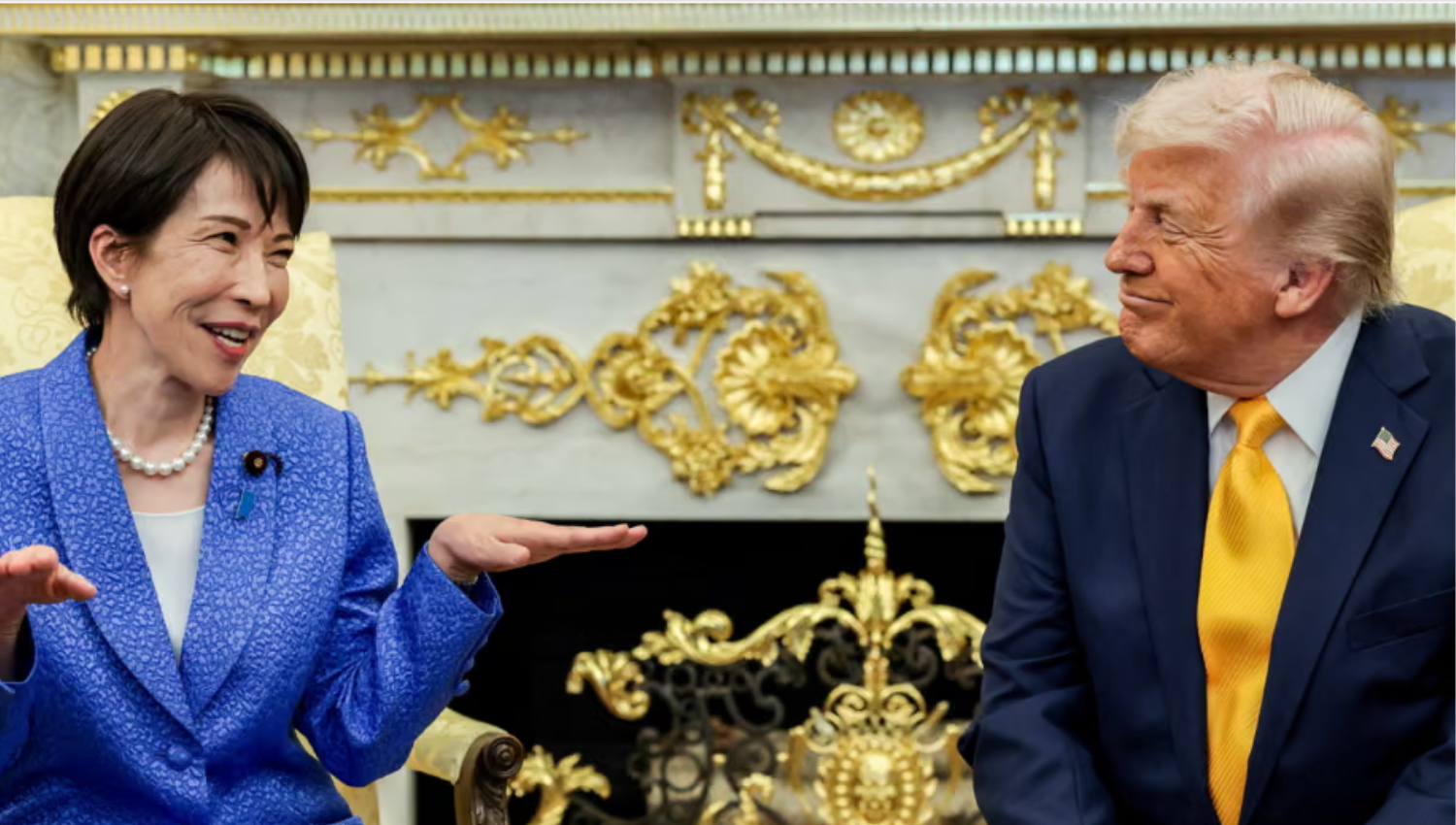
President Donald Trump was blunt about how the request came in. Speaking to reporters on Sunday, he said the Japanese had a weakening yen and wanted “a little bit of help,” adding that the US is always there for Japan.
Why the yen got here
Japanese interest rates have stayed well below those of other advanced economies, and traders spent much of the past year exploiting that gap. The carry trade is simple enough: borrow cheaply in yen, buy dollar assets that pay more, pocket the difference. Every round of it puts fresh selling pressure on the yen.
Politics added to the slide. Prime Minister Sanae Takaichi has pushed tax and spending measures to stimulate growth, and she has publicly criticised the Bank of Japan for raising interest rates. Investors read that combination as looser fiscal policy plus a central bank under political pressure, and Japanese borrowing costs rose along with it.
Euros, not dollars
Treasury Secretary Scott Bessent said Washington will not hesitate to take part in further joint intervention, and repeated his call for the Bank of Japan to keep raising rates. He had already telegraphed the plan without meaning to. A photograph taken during a cabinet meeting at Camp David on July 31 caught his notebook, where the to-do list included buying $5 billion to $10 billion worth of yen.
One detail matters more than it first appears. The Financial Times reported that the US funded its yen purchases by selling euros rather than dollars, a choice that avoids sending the message that Washington wants a cheaper dollar.
Tokyo’s own contribution was far larger. Bank of Japan data indicates the finance ministry spent as much as $36.58 billion buying yen last Friday, according to Reuters.
The first joint move since the 2011 tsunami
The last time these two governments intervened together was March 2011, and they were pulling in the opposite direction. Back then the goal was to weaken the yen after it surged in the aftermath of the Tohoku earthquake and tsunami. Joint operations are rare precisely because they are meant to be read as a warning shot rather than a routine tool.
Some analysts think the message will stick for a while. Lee Hardman, currency analyst at MUFG, said the threat of more joint action combined with faster Bank of Japan rate rises should support the yen and make speculators think twice about large short positions.
Oxford Economics is less convinced the trend has turned. The consultancy argues the operation buys time rather than changing direction, and it still expects the Bank of Japan to hold off on its next rate rise until December, giving policymakers room to judge how the Middle East conflict and earlier hikes are feeding through to the economy.
For now, the yen has its floor back. Whether it holds depends less on what the two treasuries do next and more on what the Bank of Japan does with rates.