
The poem did not arrive on the page so much as ambush it. Somewhere between a passing thought and a passing train of worry, Fella Cederbaum felt a line drop into her mind, then another, and another, until a fully formed poem demanded to be written down before it evaporated. While most poets wrestle with drafts and redrafts like they are arm wrestling their own neuroses, Cederbaum simply followed the words, then put down her pen. No workshop, no beta readers, no endless tinkering with line breaks. Just a poem, whole and unapologetic. In an age of curated feeds and heavily edited selves, it is a strangely radical thing to let something be finished the moment it arrives.
Where much of the culture chases engagement rates and A/B tested headlines, Cederbaum chases something much less fashionable and far more dangerous: truth. Her work in poetry, music, film, and visual art springs from a single, stubborn commitment to follow an inner current rather than an external metric. She insists that her poems “just come out fully formed” and that she “hardly ever edits,” a stance that would give most creative writing professors hives. Yet the results speak with a clarity that no committee could engineer.
The Case For Unedited Honesty
The creative world has become fluent in the language of packaging. Poems are branded, performances are clipped into shareable moments, and artists are quietly advised to think like influencers. In that noise, art is increasingly treated like a product line: polished, positioned, endlessly tweaked. Cederbaum quietly walks out of that meeting and into another room entirely.
Her work, from pieces like The Door to The Great Offense, is not designed for mass appeal or playlist placement; it is designed to unsettle, to invite, to interrogate. The Door turns surrender into a kind of spiritual physics, imagining what happens when a person lets the last thought go and falls through their own carefully constructed floor. The Great Offense looks unflinchingly at how people lash out, misunderstand, and perform outrage, reflecting on the absurdity and pain of communication breakdowns. These are not poems asking to be “relatable.” They are poems asking whether the reader is willing to question the stories they tell themselves.
Cederbaum’s refusal to overedit is not laziness; it is discipline of another kind. She treats the first arrival of a poem as a kind of witness statement from the subconscious. Editing too much, in her view, would mean tampering with evidence. Her process mirrors the wider fatigue with overproduced culture. Even as digital tools promise infinite refinement, audiences keep gravitating toward work that feels unvarnished and emotionally direct. Cederbaum simply got there first and decided to stay.
Spontaneity In An Age Of Control
It is tempting to dismiss spontaneity as romantic mythmaking, the old stereotype of the inspired poet scribbling furiously under a streetlamp. But Cederbaum’s spontaneity is rooted in lived experience and sustained inquiry. Her background, marked by family history, memory, and questions of identity, fuels work that reaches for what is unspoken rather than what is convenient to say. That turn inward, and then outward through art, gives her poems and performances their charge.
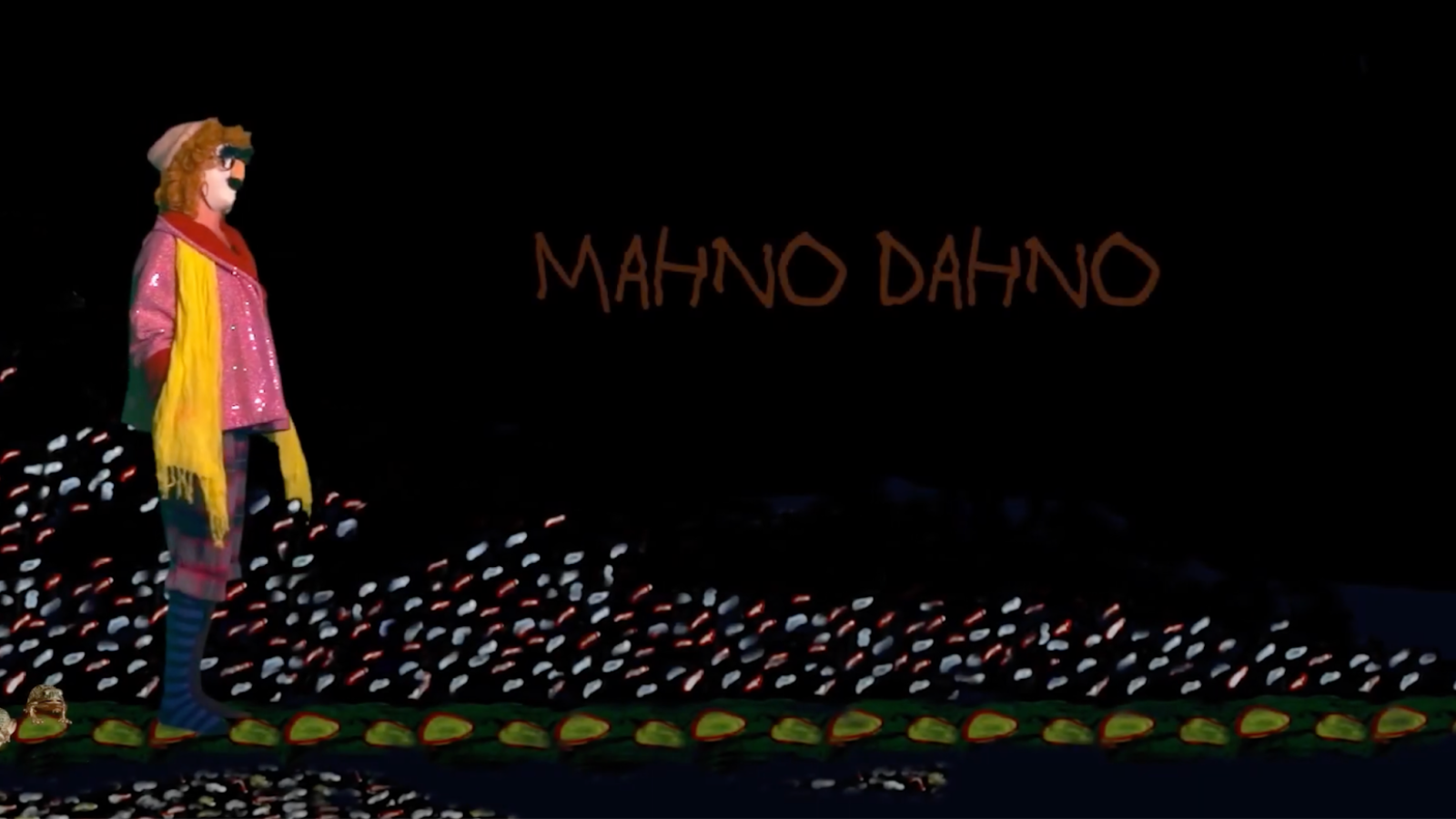
Her short films, scored with her own compositions and layered over the dreamlike landscapes of her paintings, operate like multimedia Rorschach tests. They are not tidy narratives with clean resolutions. They are invitations to step into a psyche that has decided control is overrated. In The Great Offense, she skewers the performative outrage and brittle egos of social media culture, pointing out how language has become a weapon of division rather than connection. It is as though a spoken word oracle wandered into X and Instagram and decided to report back, in meter, on the circus.
That stance cuts against the grain of an era in which people script everything, from brand statements to personal texts, as if they might be screenshot and litigated. Cederbaum’s poems, by contrast, feel like they arrived before the lawyer could get to them. They are risky precisely because they are not sanitized. And that risk is the point. If art is to tell the truth about who people are, it cannot be endlessly rehearsed.
What Cederbaum understands, and what much of the content economy refuses to admit, is that the most memorable work often comes from surrender, not control. She does not “build” poems; she receives them, then has the nerve to leave them alone. In a culture addicted to editing its own reflection, that might be the most subversive act of all.
In the end, as platforms keep chasing the next tweak to keep audiences scrolling, Fella Cederbaum offers a quieter proposition: let the line land, let it stand, and let it speak. If the future belongs to authenticity, the poet who trusts spontaneity may have already written it, no revisions needed.