
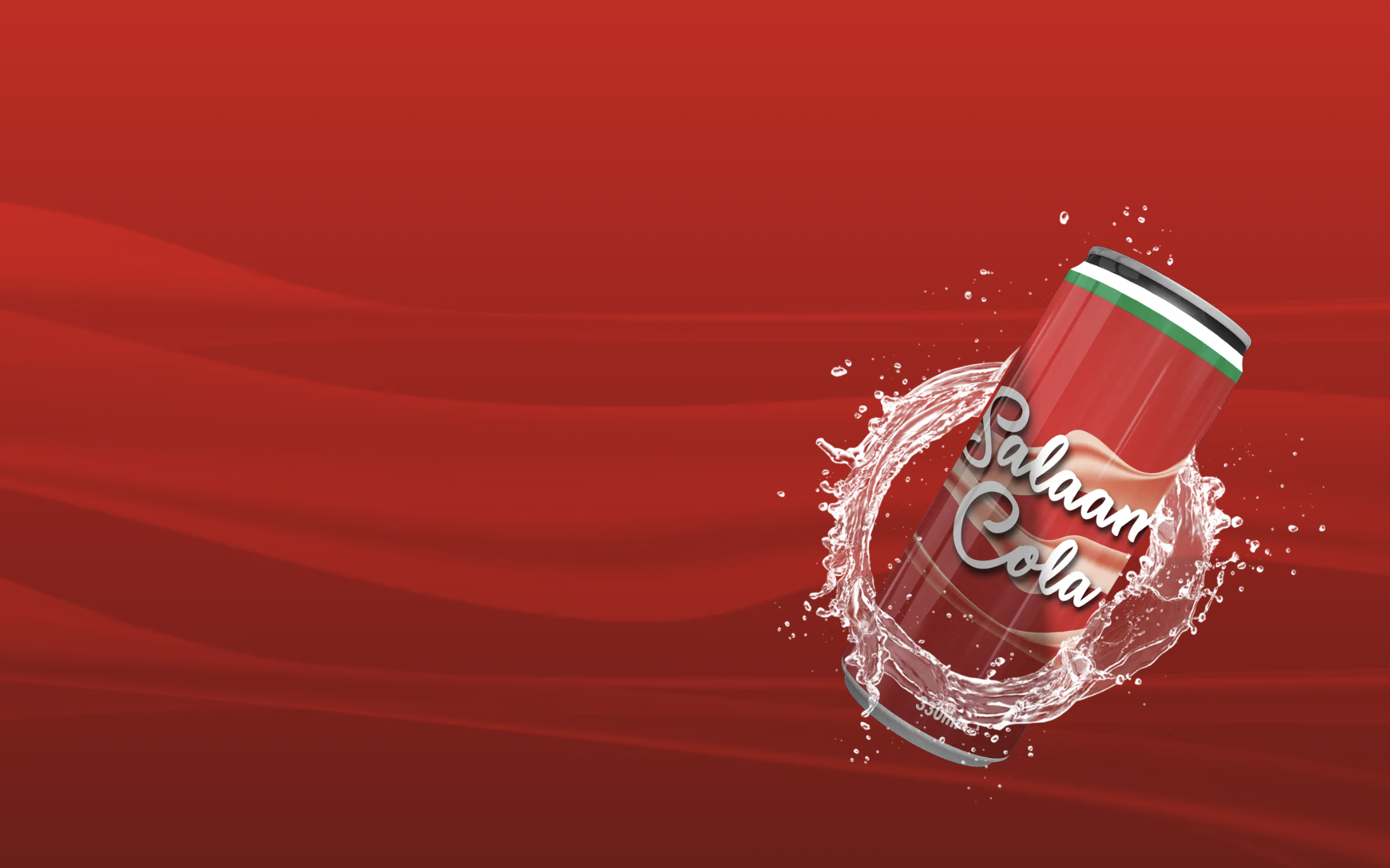

Soft drinks remain one of the most concentrated consumer categories on the planet. Euromonitor said the global soft drinks market reached $1.1 trillion in 2024, while other industry trackers placed the broader market between roughly $629 billion and $705 billion in 2024–2025, depending on category definitions. That scale matters because it shows the size of the system Salaam Cola entered: a market dominated by companies with vast bottling networks, deep retail relationships and marketing budgets that most new entrants cannot match.
Salaam Cola’s rise looks unusual against that backdrop. The company, founded in Dublin by Aykiz Shah in 2023, did not begin with the usual tools of beverage expansion. The version of the business described across recent profiles is leaner and more direct: a halal-certified cola brand, built without major corporate backing, that ties 10 percent of profits to humanitarian work and has expanded into 14 countries in a relatively short period. That growth does not make it a mass-market rival to multinational incumbents, but it does make it a notable case of a values-led brand finding room inside a category that usually rewards scale first.
The Business Model Was Political, But The Product Still Had To Sell
Many cause-linked consumer brands struggle because the moral case is clearer than the commercial one. Salaam Cola’s model invited that risk from the start. Its identity is tied not just to religious certification but to visible redistribution: reported support has included a school for displaced Palestinian children in Egypt and assistance tied to medical care, food and housing in conflict-affected communities. Shah has framed the company’s public communication around receipts, updates and visible outcomes rather than broad corporate language.
That matters, but only to a point. Beverage buyers usually make repeat purchases for taste, price, availability and habit. Salaam Cola appears to have understood that early. Its challenge was not simply to attract people moved by its mission, but to persuade retailers and consumers that it could function like a real beverage company: stocked consistently, priced competitively and bought more than once. In a category now shaped by changing consumer preferences, that balancing act is significant. Euromonitor has pointed to innovation and functionality as major growth drivers in soft drinks, while Innova Market Insights found 48 percent of global consumers interested in fortified food and beverages that support mental health, a sign that buyers are increasingly open to brands with sharper identity and clearer positioning.
Identity, Distribution, And Timing
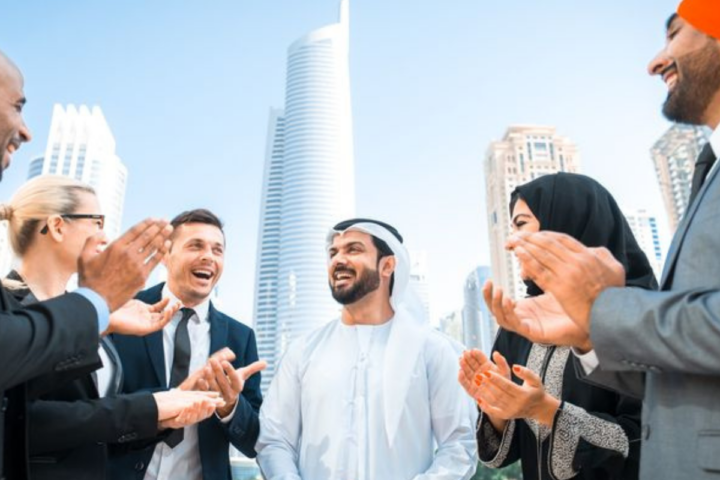
Part of Salaam Cola’s visibility has come from its founder as much as from the bottle. Shah, described in recent coverage as a young mother who built the company while remaining visibly committed to her faith, does not fit the standard image typically presented by venture-backed food and drink startups. That has made the company legible as more than a new beverage label; it has also made it easier to discuss as a story about representation, credibility and who gets taken seriously in consumer business.Yet identity alone does not explain the traction. Timing helped. Demand for halal-certified and ethically positioned products has been rising across several markets, and recent coverage has pointed to particularly strong interest in the Gulf, including the UAE and Qatar. Salaam Cola’s reported plans for regional production hubs by 2026 and 2,000-plus jobs suggest that the company is trying to move from symbolic challenger to operational business. Whether it can sustain that transition will depend less on the distinctiveness of its origin story than on ordinary but decisive questions: manufacturing, logistics, repeat purchase and retailer confidence. For now, its significance is clearer than its eventual size. Salaam Cola has shown that even in one of the most crowded categories in consumer goods, a new entrant can still gain ground by linking product, identity and distribution more tightly than the market usually expects.