

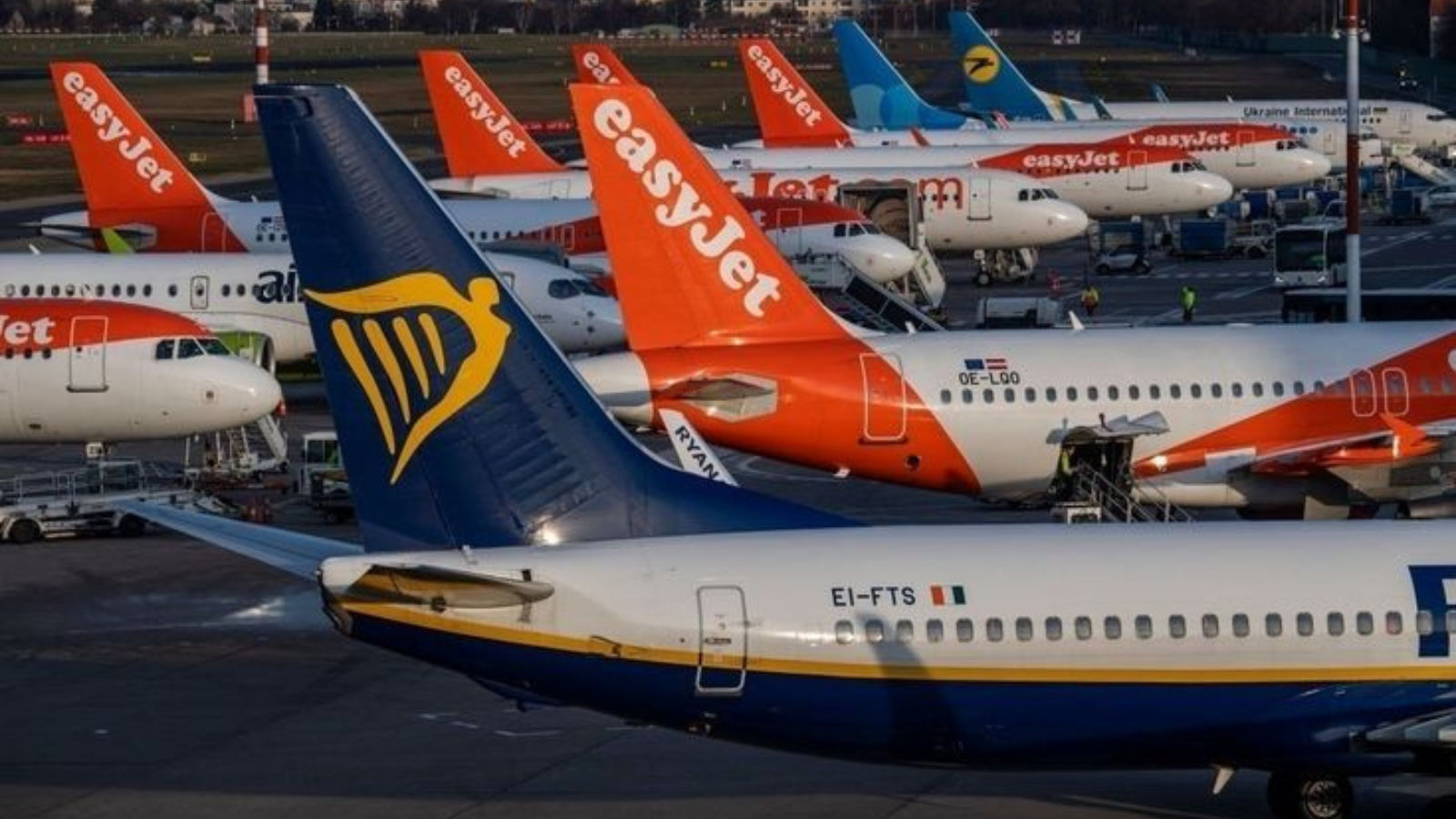

As Europe prepares for its annual surge of summer travelers, a less visible but critical challenge is beginning to ripple through the aviation sector. Jet fuel availability, often taken for granted by passengers eager to board holiday flights, has emerged as a growing concern in key transit hubs across the continent.
Airports that typically operate as seamless gateways for millions are now navigating tighter fuel inventories and more complex supply logistics. While planes are still taking off, the margin for disruption has narrowed. Industry insiders suggest that what once functioned as a background operation has now become a central point of operational planning.
The timing could hardly be more sensitive. With travel demand rebounding strongly and tourism-dependent economies counting on a full summer season, even minor inefficiencies risk cascading into broader delays and increased costs. For travelers, the issue remains largely invisible for now, but behind the scenes, airlines and suppliers are recalibrating in real time.
Supply Chains Under Pressure
At the heart of the issue lies a convergence of supply chain constraints. Refining capacity in parts of Europe has not fully aligned with the pace of post-pandemic travel recovery, while geopolitical shifts have altered traditional fuel sourcing routes. These changes have forced suppliers to rely on longer and more complex delivery networks.
Ports and storage facilities are experiencing higher-than-usual demand, placing additional strain on infrastructure that was not designed for such sustained pressure. In some regions, logistical bottlenecks have led to delayed fuel deliveries, prompting airlines to adjust fueling strategies, including carrying additional reserves or refueling at alternative locations.
This evolving dynamic has introduced a new layer of unpredictability. Aviation operations depend heavily on precision and timing, and even slight disruptions in fuel supply can create ripple effects across flight schedules. The challenge is not just about having enough fuel, but ensuring it is in the right place at the right time.
Airlines Adapt to a Shifting Landscape
Airlines are responding with a mix of caution and creativity. Operational teams are revisiting flight planning models, factoring in fuel availability as a more prominent variable. In some cases, this has led to strategic refueling stops or adjustments in aircraft weight to optimize consumption.
There is also a renewed focus on efficiency. Carriers are accelerating efforts to streamline routes, reduce unnecessary fuel burn, and enhance coordination with airport authorities. While these measures may not be visible to passengers, they reflect a broader shift toward resilience in an increasingly complex operating environment.
At the same time, airlines are mindful of maintaining customer confidence. The industry has only recently begun to recover from years of disruption, and the prospect of new challenges during peak travel season is being managed carefully. Communication remains measured, with an emphasis on preparedness rather than alarm.
What It Means for Travelers and the Industry
For most travelers, the immediate impact may be subtle. Flights are expected to operate largely as scheduled, but there may be occasional delays or adjustments, particularly at heavily trafficked hubs. Ticket prices could also feel upward pressure as operational costs fluctuate.
More broadly, the situation underscores the fragility of global travel systems. What appears to be a localized supply issue can quickly take on international dimensions, affecting routes, pricing, and passenger experience. It is a reminder that modern travel depends on a vast and interconnected network, where each component plays a critical role.
Looking ahead, the industry may treat this summer as a case study in adaptability. The lessons learned could influence how airlines and fuel suppliers plan for future peak seasons, potentially reshaping procurement strategies and infrastructure investment.
For now, Europe’s skies remain open and active, carrying millions toward long-awaited holidays. Yet beneath the steady hum of departing aircraft lies a quieter story of adjustment and resilience, as the aviation sector works to keep summer travel on course despite tightening fuel supplies.