


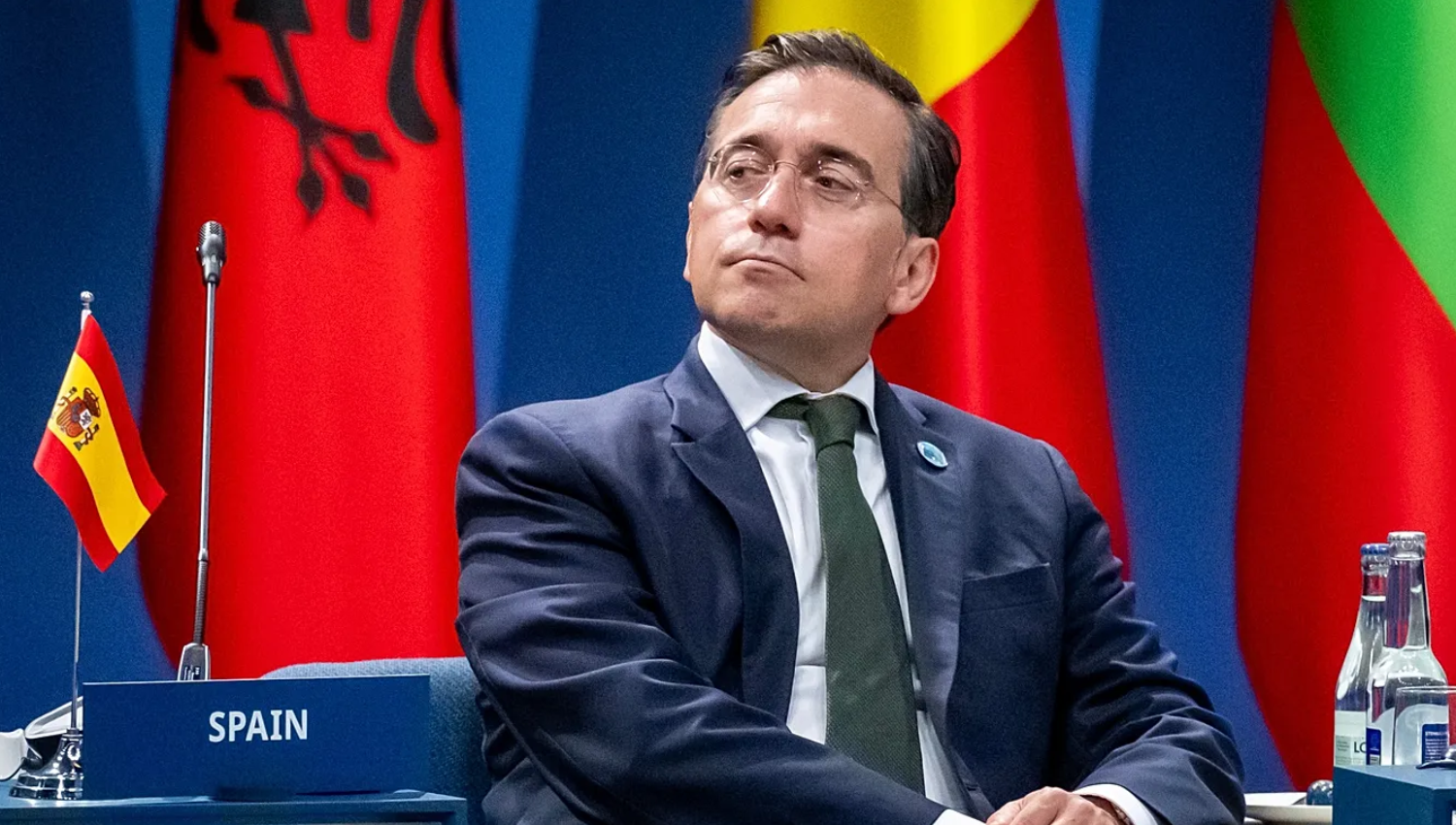
The crisis in Ceuta lands on the agenda of an emergency meeting of EU interior ministers on Tuesday, where Spain intends to press for a shared European response and answer criticism from partner governments, with Italy and Denmark leading the complaints over how Madrid handled the mass arrival of migrants from Morocco.
Speaking to TVE the day before the meeting, Foreign Minister José Manuel Albares said Spain would demand “solidarity from all the member states of the European Union,” adding that governments unwilling to provide it “are working against Europe.”
Ceuta and Melilla are Spanish territory, he noted, but they also form part of the Union’s external frontier — which in his view makes the response a collective obligation rather than a national one.
Albares reserved his sharpest language for Italy over its attacks on Spain’s crisis management, situating that position within what he called a “reactionary international” that he believes is using migration as a political weapon against the European project.
He also pushed back on speculation about free movement, saying “the integrity of the Schengen area is absolutely guaranteed” and calling for an end to what he described as “deliberate confusion” over how the system operates.
The minister credited Morocco with helping to stem the movement of people towards Ceuta and repeated his thanks to authorities in Rabat for their assistance since the crisis began. He separately condemned the speed at which false claims about conditions in the autonomous city have circulated, accusing certain international actors of stoking disinformation about the way the border has been managed.
Weeks of friction between capitals
Tuesday’s session in Brussels follows a run of tense exchanges between Madrid and Rome, prompted by Italian proposals for tougher measures directed at Spain after the crossings. The episode has revived long-running arguments over who manages the bloc’s external borders and how the responsibilities of migration policy should be divided.
Ministers are expected to weigh the consequences of the largest migration crisis Ceuta has seen in decades, along with possible support for Spain and arrangements for coordinating the European response should similar pressure build elsewhere on the bloc’s frontier.
The human toll
Spanish officials said on Monday that at least 88 people died during the influx from Morocco, though Moroccan authorities subsequently offered a lower figure.
An estimated 60,000 people entered the north African territory, most of them by swimming, in the largest mass crossing it has recorded. The great majority have since returned to Morocco.
Spanish police and troops patrolled Ceuta’s streets on Sunday as the enclave settled back towards normality following the surge, which unfolded between Wednesday and Friday.