

A fragile effort to restore movement through the Strait of Hormuz has been thrown into deeper uncertainty after President Donald Trump threatened military action against Oman, a longtime U.S. partner that has been negotiating separately with Iran over a temporary shipping route.
The warning came just as Tehran said it had reached an understanding with Muscat on the outline of a transit map for commercial vessels. What could have been a narrow maritime arrangement now risks becoming another front in a widening regional confrontation, with oil markets, global shipping companies and Gulf governments watching closely.theguardian+1
A Narrow Waterway With Global Consequences
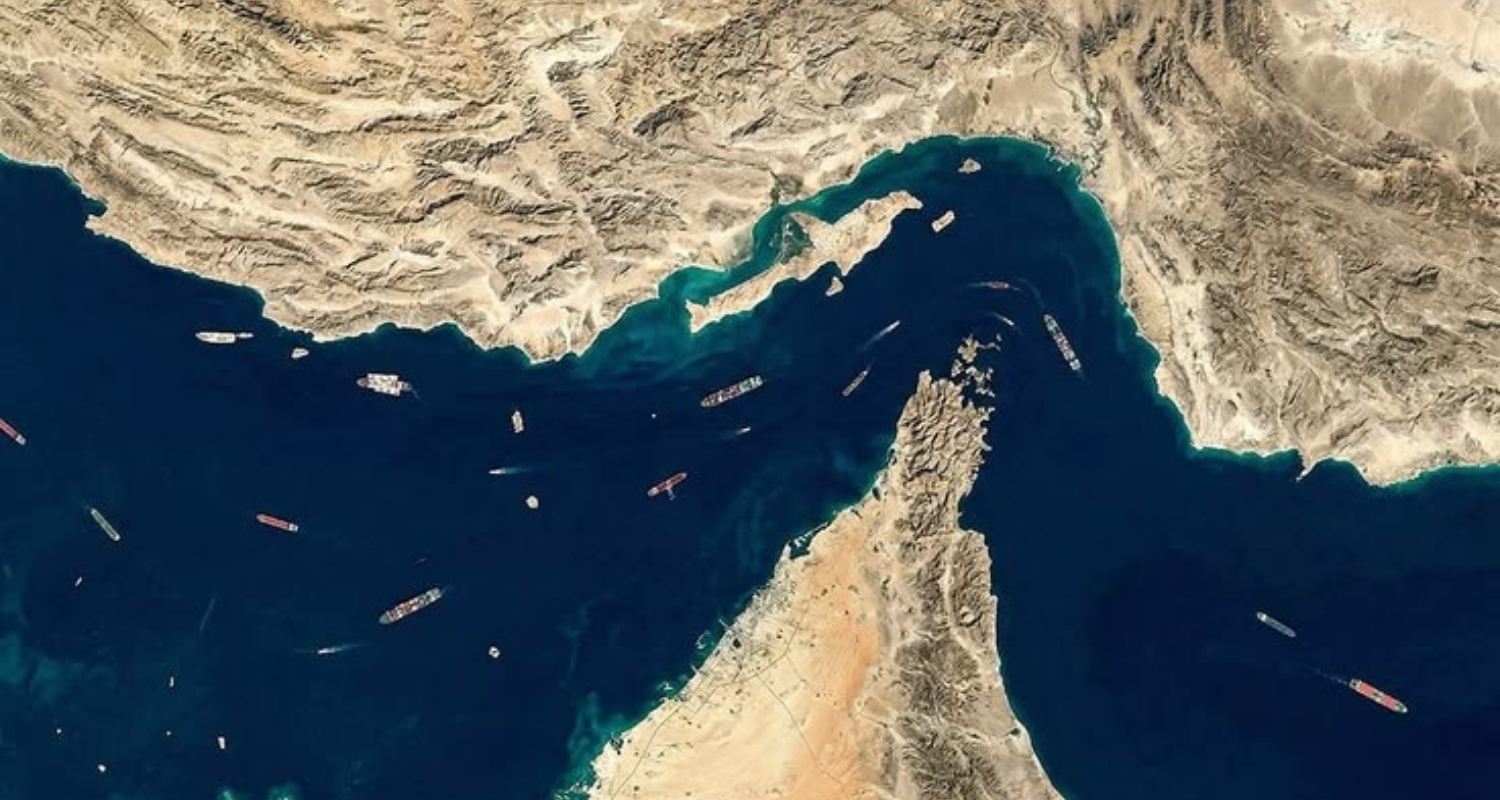
From above, the Strait of Hormuz appears almost deceptively small: a narrow ribbon of water between Iran to the north and Oman to the south. Yet its importance reaches far beyond the Gulf. Before the current disruption, roughly one-fifth of seaborne oil and liquefied natural gas supplies moved through the passage, connecting producers in the Middle East with major markets across Asia, Europe and beyond.theguardian+1
For months, the strait’s restricted access has become a symbol of the larger breakdown between Washington and Tehran. Every delay in reopening the passage increases costs for exporters, insurers and shipping firms, while raising concerns over energy prices in countries far removed from the immediate conflict. In that environment, even a temporary navigational agreement carries strategic weight.
Iran’s discussions with Oman were intended to provide a practical route for commercial vessels while broader political negotiations remained unsettled. Iranian officials said the two countries had reached an understanding on the map of the route and were working toward a joint statement. Reports suggest vessels could enter on a course near Iranian waters and exit closer to Oman, without transit fees during an interim period.theguardian
Oman’s Diplomatic Balancing Act
Oman has long occupied a distinctive place in Middle Eastern diplomacy. Unlike some of its Gulf neighbors, Muscat has cultivated channels with both Western capitals and Tehran, often serving as a discreet intermediary when direct communication becomes politically impossible. That role has given Oman influence disproportionate to its size, but it also leaves the country exposed when rival powers see mediation as interference.
The latest negotiations illustrate that dilemma. Oman’s interest in reopening Hormuz is not merely diplomatic. The country shares the waterway with Iran, and any prolonged closure threatens regional commerce, security and stability close to its own shores. A workable shipping arrangement would serve Oman’s immediate national interests while easing pressure on a global trade route.
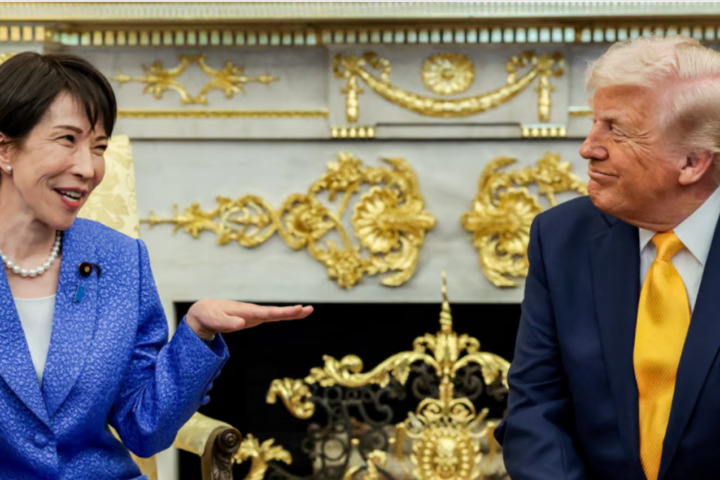
Trump’s remarks, however, appeared to frame the Omani initiative as an obstacle to Washington’s preferred approach. Speaking to Fox News, he said Oman would face bombing if it “gets in the way” of a deal with Iran. The statement represented an unusually sharp escalation toward a country that has historically maintained close strategic ties with the United States.theguardian+1
Washington and Tehran Pursue Separate Tracks
At the center of the dispute is a basic question of control: who gets to shape the terms under which shipping returns to Hormuz? The United States has sought a broader agreement with Iran, one linked to its wider demands around Tehran’s nuclear program and the regional conflict. Iran, meanwhile, has emphasized arrangements negotiated directly with Oman, rejecting the notion that Washington should dictate the route’s future.bbc+1
That divergence has created parallel diplomatic tracks that do not easily align. U.S. officials have signaled a desire for rapid progress, while Iran has portrayed its talks with Oman as a temporary and sovereign regional solution. The result is a situation in which a practical maritime agreement is being asked to carry the burden of far larger political disputes.
The expiration of a 60-day window for U.S.-Iran peace negotiations has added urgency. Trump has said Iran has not offered the type of deal he considers necessary, while Tehran has maintained that direct talks with Washington are not underway. Against that backdrop, Oman’s route proposal may be viewed by Iran as a way to demonstrate that the strait can be managed without conceding ground to U.S. demands.theguardian+1
Markets Watch as Rhetoric Escalates
For global markets, the immediate concern is not only whether ships can sail, but whether diplomatic language hardens into military action. A threat against Oman complicates the calculation for commercial carriers already navigating security risks, insurance costs and uncertain routing arrangements. It also risks unsettling Gulf allies that depend on U.S. security partnerships while seeking to prevent a wider conflict at their doorstep.
Oman now faces an uncomfortable test. Its value as a mediator rests on the trust it has built with opposing sides, but that same position becomes harder to sustain when diplomacy itself is portrayed as a provocation. Muscat’s challenge will be to preserve its role as a practical bridge without becoming a political target in a contest it did not create.
The Strait of Hormuz has always been more than a shipping lane. It is a pressure point where geography, energy and power converge. The proposed Iran-Oman route offered a possible opening, however limited, for commerce to resume. Trump’s threat has instead underscored how quickly a technical agreement can be overtaken by the larger struggle for influence across the Gulf.