

Work has become inseparable from screens, but the basics of how people sit through their days still lag behind the talk of wellness and performance. Plenty of employees log long hours in whatever chair happened to be ordered in bulk years ago, absorbing the slow tax of stiff necks, sore backs, and dwindling patience. Companies may speak fluently about supporting their teams, yet the equipment beneath those teams often tells a different story.
In that gap between rhetoric and reality, an Ohio-based chair refurbishing business has built its identity around a blunt, practical idea: the kind of ergonomic seating typically associated with executive suites should not be limited to executive budgets. Instead of treating premium chairs as a luxury reserved for a select few, the company has positioned them as something closer to a modern work essential, made accessible through restoration rather than reinvention.
From a Garage Startup to a 60,000-Square-Foot Operation
Office Logix Shop didn’t arrive with a tech-style blitz or a headline-grabbing venture round. It began in 2015 in a garage, shaped by two founders whose backgrounds weren’t in retail hype but in structured problem-solving. Obada Mzaik, a civil engineer, and Kamal Haykal, an intellectual property lawyer, launched the business with a premise that runs against the grain of a disposable era: high-end office chairs shouldn’t be treated as temporary goods.
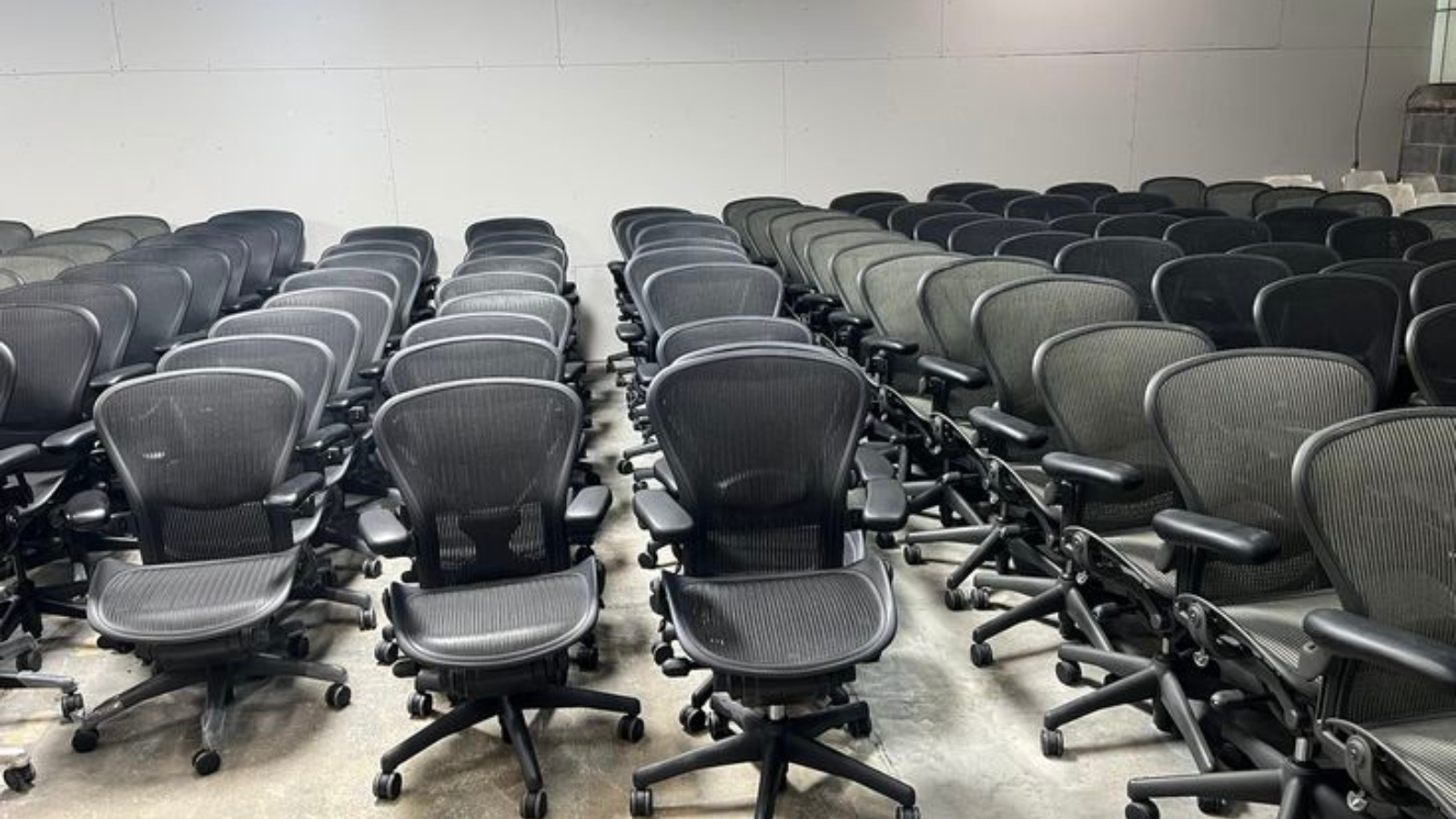
Instead of producing another lightweight seat destined for an early exit, they turned their attention to the chairs that already had reputations for durability and comfort. The targets were the premium ergonomic models associated with brands such as Herman Miller and Steelcase, chairs that often cost as much as a major monthly bill. The business bet that these “built-to-last” products could serve far more people if they were rescued, restored, and offered again at a lower price point.
The approach carried an egalitarian edge. By refurbishing these chairs carefully and reselling them for a fraction of what they cost new, Office Logix Shop opened the door for freelancers, teachers, gamers, and small businesses to use seating once associated with Fortune 500 corridors. The garage phase eventually gave way to scale. Today, the company operates with a showroom and a warehouse of roughly
60,000
60,000 square feet in Lewis Center, Ohio, processing significant volumes of premium chairs each week and shipping far beyond its home state.
Ergonomics Without the Status Symbol Price Tag
To understand why the model resonates, it helps to consider how office chairs became a quiet badge of rank. Premium ergonomic seating promises measurable benefits: better posture support, fewer aches, and the kind of comfort that can make long stretches of desk work feel less punishing. Yet those advantages have historically come attached to steep prices, leaving many people to make do with aging, generic chairs that were never designed for heavy daily use.
Office Logix Shop’s work rearranges that familiar hierarchy. The company sources premium chairs and runs them through a restoration process that includes deep cleaning, repairs, and swapping out worn components. It doesn’t frame refurbishment as a downgrade. It sells the idea that a restored chair should function like it’s new, and backs that stance with warranties and real customer support from people rather than faceless systems.
Mzaik has summarized the philosophy in public remarks by tying it to both performance and responsibility: “Each refurbished chair represents our dedication to quality and sustainability; customers get premium comfort and durability while contributing to environmental preservation.” Alongside the core refurbishing business, the company also developed ergonomic accessories, including patented headrests designed to fit well-known models such as the Herman Miller Aeron and Embody, as well as the Steelcase Leap. The through-line is consistent: adjust the hardware to suit real bodies and budgets, rather than insisting that only a narrow tier of buyers deserves top-tier support.
A Circular Economy Built Around Comfort and Longevity
Sustainability language is everywhere now, but refurbishing a premium chair is an unusually direct expression of the concept. Extending the life of a chair designed for long-term service can reduce the need for new manufacturing and limit the raw materials and energy that would otherwise be consumed. In a market crowded with “green” claims, the act of repairing and reusing a sturdy, overengineered product feels almost old-fashioned in its clarity.
Office Logix Shop leans into that environmental logic as part of its story. Refurbished chairs keep large pieces of material out of landfills while easing demand for new, energy-intensive production, particularly when the original chair was made to be serviceable and durable. Haykal has described the choice in plain terms, arguing that customers who buy refurbished seating are “building a more sustainable future” by extending furniture life cycles rather than sending them to landfills.
In practice, the mission sits at the intersection of values and physical relief. The buyer doesn’t have to choose between caring about waste and caring about their back. Every restored Aeron or Leap becomes a functional rebuttal to the buy-and-toss reflex, proving that comfort, longevity, and a more measured approach to consumption can exist in the same purchase decision.