

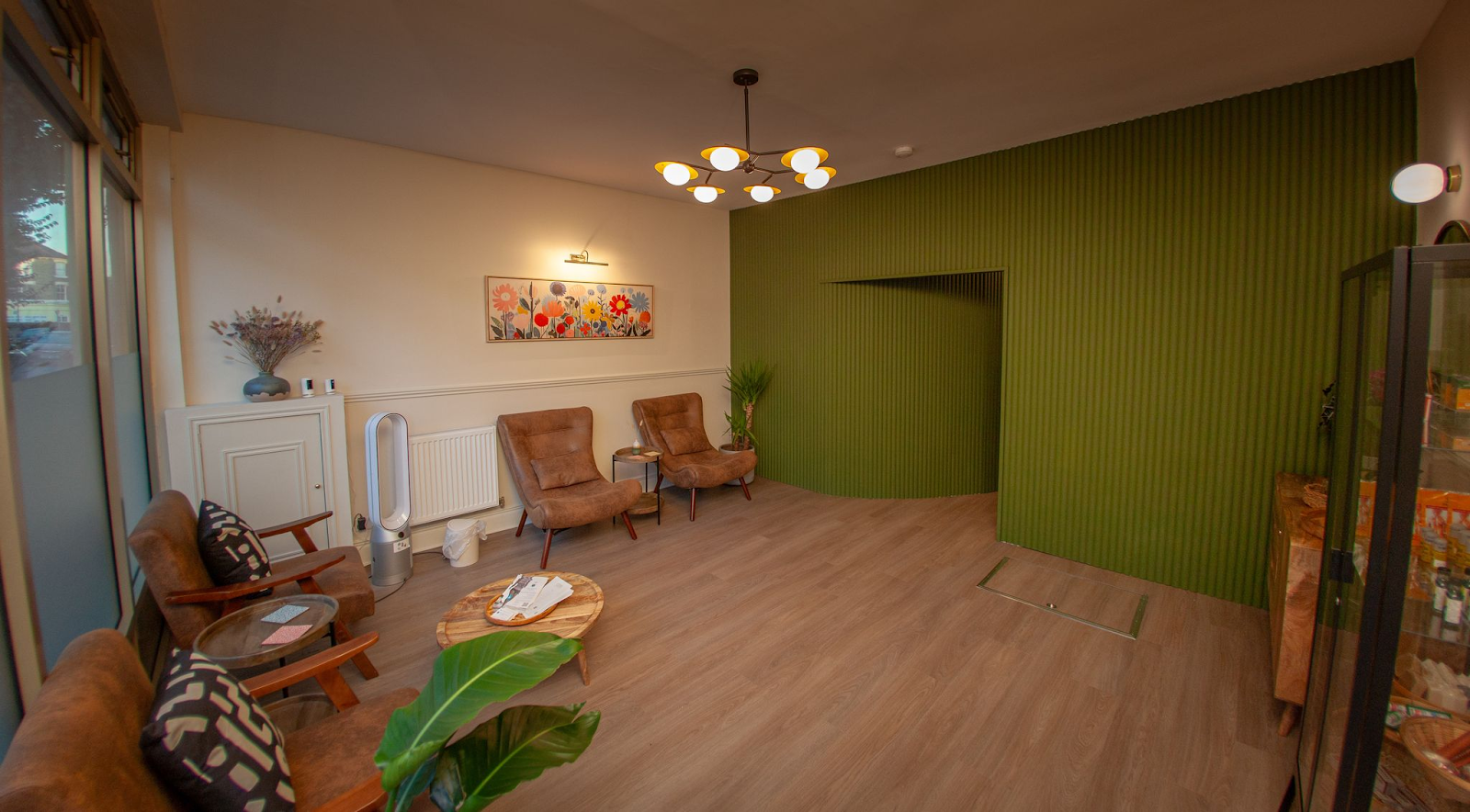

On a grey November morning in South London, a runner limped through the door of a clinic in Dulwich with a familiar complaint. Six months of physiotherapy had failed to resolve her chronic hamstring pain. Three different massage therapists had offered temporary relief. Her GP suggested rest and patience. The problem persisted.
What happened next reveals a broader shift taking place across Britain’s wellness sector. Rather than beginning treatment immediately, the therapist at CORE Soft Tissue Therapy spent 15 minutes conducting a detailed assessment. He examined movement patterns, tested muscle function, and identified compensatory strategies her body had developed over months of adaptation. The session that followed targeted not just the symptomatic tissue but the underlying biomechanical dysfunction driving her injury cycle.
This approach represents something increasingly rare in an industry where 60-minute massage sessions have become commoditised and treatment protocols standardised. Since opening in September 2024, CORE Soft Tissue Therapy has built its practice around a simple premise that challenges prevailing industry norms. Massage therapy should function as a clinical intervention rather than a luxury service. Practitioners should hold formal qualifications for every modality they offer. Treatment outcomes should be measurable and reproducible.
The model appears to be working. Within its first year of operation, the clinic achieved target revenues and reached full capacity across its appointment schedule. Clients arrive through word-of-mouth referrals at rates uncommon in the wellness industry. Online reviews consistently award five stars. Local athletes, office workers recovering from postural dysfunction, and individuals navigating injury rehabilitation form the core clientele.
The Professionalisation Problem
Britain’s massage therapy sector operates within a regulatory grey zone that permits significant variation in practitioner qualification and treatment standards. Unlike physiotherapy or osteopathy, soft tissue therapy faces no mandatory qualification requirements. The result is a fragmented marketplace where consumers struggle to distinguish between practitioners with extensive clinical training and those offering relaxation services under therapeutic branding.
Sam and Nok, founders of CORE Soft Tissue Therapy, argue this ambiguity undermines the profession’s credibility and limits its potential impact on public health outcomes. “We are making massage more professional,” he explains. “Most clinics hire therapists who can perform basic Swedish massage and market that as sports therapy. We only work with fully qualified sports massage therapists who can conduct proper assessments, track progress, and create rehabilitation plans that address root causes rather than symptoms.”
The distinction matters in an environment where chronic musculoskeletal conditions account for approximately 30 percent of GP consultations across the United Kingdom, according to recent National Health Service data. Many patients cycle through multiple treatment approaches without achieving lasting improvement. Sam suggests this pattern reflects structural problems within how manual therapy services are delivered and perceived. “Clients come to us after trying other therapies without success. They need someone to identify why the problem keeps returning and build a strategy that creates measurable, long-term improvement rather than temporary relief.”
Building A Different Model
The clinic’s operational framework diverges from industry convention in several ways. Therapists integrate manual therapy techniques with corrective exercise protocols and movement education, extending treatment impact beyond the appointment itself. Initial consultations include detailed postural and functional assessments that inform personalised treatment plans. Follow-up sessions track objective measures of progress rather than relying solely on subjective pain reporting.
This methodology aligns with emerging evidence in pain science suggesting that sustainable outcomes require addressing multiple factors contributing to musculoskeletal dysfunction. Research published in the British Journal of Sports Medicine indicates that combined interventions addressing tissue quality, movement patterns, and load management produce superior outcomes compared to passive treatment alone. CORE Soft Tissue Therapy’s approach embeds these principles into standard practice.
Expansion plans reflect confidence in the model’s scalability. The clinic projects significant revenue growth in year two and envisions establishing additional locations across London. Long-term ambitions extend to positioning CORE as a recognised authority in soft tissue health, and expanding service offerings.
Yet challenges remain. Dr. Emily Richardson, a sports medicine consultant at King’s College London, cautions against overstating what manual therapy can achieve. “Evidence supports soft tissue treatment as one component within comprehensive rehabilitation programmes. The risk is practitioners positioning their approach as superior to established medical interventions when outcomes depend heavily on patient compliance with exercise prescription and lifestyle modifications that extend beyond the treatment room.”
Market Dynamics And Growth Trajectories
The wellness industry’s expansion creates both opportunity and complexity for specialised practitioners. Market research from IBISWorld projects the UK massage therapy sector will grow 4.2 percent annually through 2027, driven by increased consumer spending on preventive health services and growing awareness of musculoskeletal health on quality of life. Urban markets like London demonstrate particularly strong demand for evidence-based therapeutic services that bridge gaps between traditional healthcare and consumer wellness offerings.
CORE Soft Tissue Therapy’s first-year performance suggests appetite exists for premium-priced clinical services when differentiation is clear and outcomes are demonstrable. The clinic serves East Dulwich, Dulwich Village, Peckham, Herne Hill, Forest Hill, Honor Oak, Nunhead, and Sydenham, establishing strong community recognition within a competitive landscape. Fully booked schedules within the first operating year indicate effective market positioning, while referral-driven growth patterns suggest service quality translates into client retention and advocacy.
Sam frames the opportunity in terms of unmet need. “There are thousands of people across South London dealing with chronic tension, limited mobility, and postural dysfunction who have tried multiple approaches without lasting success. They need practitioners who can identify root causes and deliver results that persist beyond the appointment. That is what we specialise in.”
The business model prioritises sustainable growth over rapid scaling. Rather than franchising or licensing the CORE methodology, plans centre on controlled expansion that maintains quality standards and clinical rigour. Future therapist hires will undergo the same credentialing scrutiny that characterizes current staffing. Training protocols will ensure consistency across locations. Client education will remain central to treatment philosophy.
Looking ahead, Sam and Nok see potential to influence broader industry standards through demonstrated outcomes and community impact. “Our goal extends beyond building successful clinics. We want to establish what professional soft tissue therapy looks like and show that when you combine proper qualifications, evidence-based practice, and a genuine focus on long-term improvement rather than quick fixes, you create something that changes how people think about massage therapy’s role in maintaining physical health.”