
When technology companies treat environmental responsibility as an afterthought, Iron Software has embedded sustainability into the core of its business model, making it as integral to operations as the code underlying its developer tools. The company’s approach reflects a deliberate strategy, one built on measurable commitments and tangible results, rather than symbolic claims. This approach has earned recognition from the 2025 Global Recognition Awards for its systematic integration of community support, technical excellence, and environmental accountability.
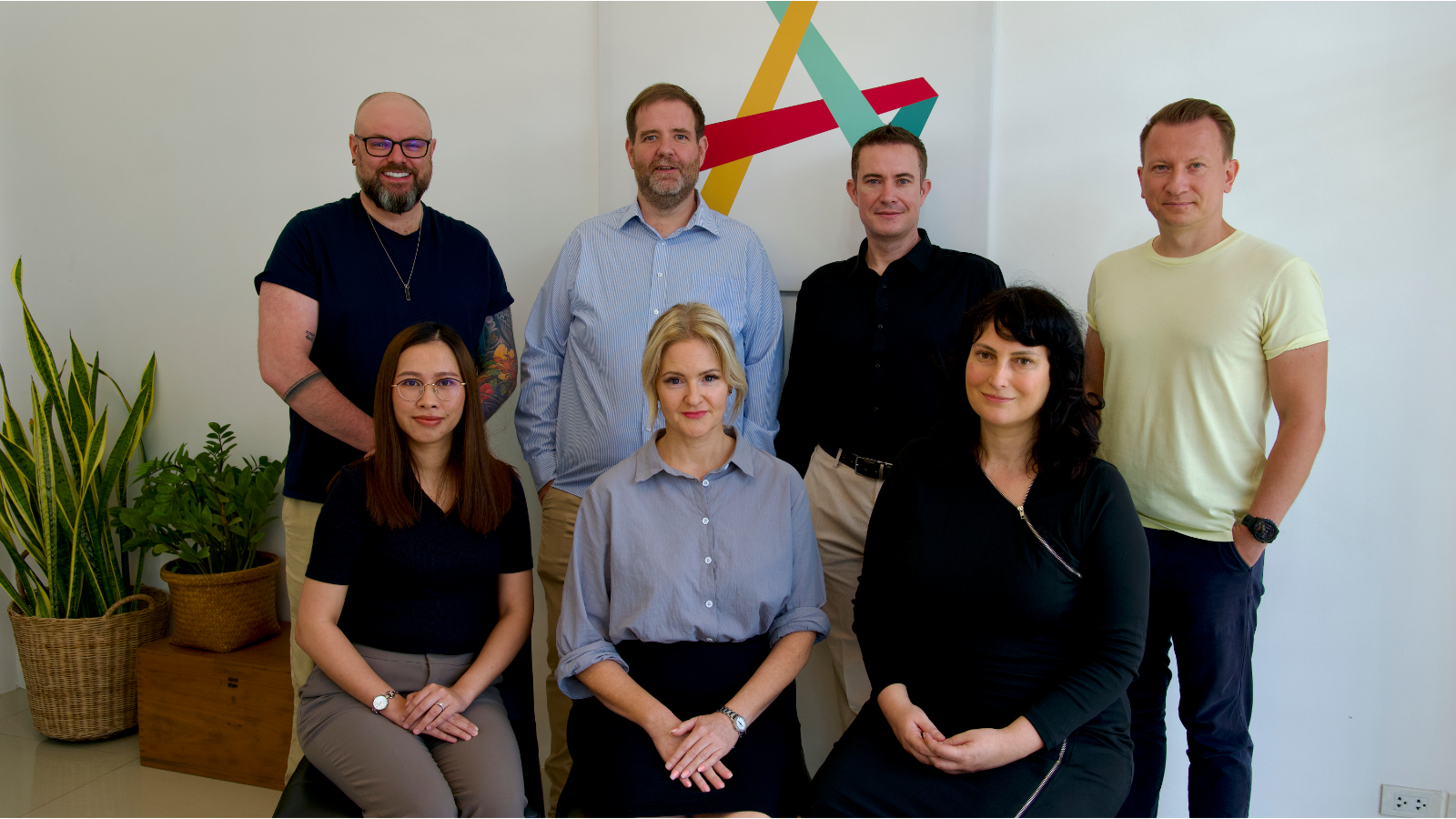
Under the combined leadership of CEO Cameron Rimington and CTO Jacob Mellor, Iron Software has transformed from a small developer tools company into a globally recognized technology brand. Rimington’s two decades of international digital strategy experience, coupled with Mellor’s engineering precision and deep technical innovation, have shaped a business culture where sustainable growth and technical excellence reinforce one another. “When Jacob and I founded Iron Software, we rejected the false choice between profitability and purpose,” Rimington explains. “Every business decision we make asks two questions: Does this help developers build better software? And does this leave the industry better than we found it? If the answer to either is no, we go back to the drawing board.” Their partnership illustrates how strong leadership alignment, balancing vision, technical mastery, and business discipline, creates a durable market advantage in an increasingly competitive software landscape.
Building Tools That Remove Barriers
Iron Software’s path to recognition centers on a straightforward premise: removing obstacles that prevent developers from accessing quality tools. The company’s flagship product, IronPDF, enables developers to create, edit, and extract content from PDF documents within .NET applications, solving a critical need in enterprise document processing. Alongside IronPDF, the company’s Iron3 Suite includes specialized libraries for OCR, Excel manipulation, Word processing, and barcode generation—tools that address fundamental challenges developers face when building document-centric applications. The Startup Grant program embodies this philosophy, offering emerging development teams discounts of up to 90 percent on the company’s software suite. “We’ve all been there—starting a project with big ambitions but limited resources,” Rimington notes. “The Startup Grant program exists because we remember what it’s like to choose between quality tools and paying rent. No developer should have to compromise their vision because of artificial pricing barriers.” Rather than limiting eligibility through geographic restrictions or market-based criteria, the program operates across international markets, effectively lowering entry costs for technology ventures regardless of location. A developer launching a startup in Southeast Asia faces the same financial barriers as those in North America, and Iron Software addresses this reality by designing support mechanisms without geographic boundaries.
The company’s EcoGrant initiative extends this framework in a different direction. Development teams working on projects that demonstrate verifiable environmental impact receive comprehensive license packages, along with continuous updates and support. The program operates on a straightforward exchange: organizations committed to measurable ecological outcomes gain access to Iron Software’s tools without the typical licensing constraints. This approach sidesteps the common corporate tendency to fund environmental projects through separate philanthropic arms, instead weaving support directly into the commercial product ecosystem.
These initiatives function at scale. Alex Sterling, spokesperson for Global Recognition Awards, noted that “Iron Software shows how technology companies can lead through action rather than aspiration, building systems that deliver immediate value to developers while contributing to longer-term industry and environmental health.” The distinction matters because scaled action produces different outcomes than symbolic gestures. When thousands of development teams access affordable tools through programs like Startup Grants, the cumulative effect reshapes industry participation patterns, enabling entrepreneurs who would otherwise remain outside professional development ecosystems to participate.
Environmental Commitment Embedded in Revenue
Iron Software allocates one percent of its revenue to environmental organizations through established partnerships with 1 percent for the Planet and TeamSeas, connecting every purchase of its Iron Suite directly to ocean cleanup and environmental restoration projects. Between 2022 and 2024, the company contributed $58,000 to TeamSeas through Iron Suite sales, with the funds supporting The Ocean Cleanup’s Interceptor deployments, which remove plastic debris from rivers before it reaches the ocean. This financial commitment operates within normal business parameters rather than requiring special fundraising campaigns or separate donation mechanisms.
The structural approach matters more than the absolute dollar amounts. By integrating environmental giving into revenue streams, Iron Software creates a system that expands as the company grows. Each new customer generates ongoing financial support for ecological restoration, eliminating the need for additional corporate decision-making or philanthropic allocation rounds. The model demonstrates that software companies can address sustainability without treating it as a peripheral activity or limiting themselves to premium service tiers where customers pay extra for environmental responsibility.
Since January 2025, one percent of every Iron Suite purchase has been allocated to 1 percent for the Planet, allowing the company to distribute support across diverse conservation organizations rather than concentrating resources on single initiatives. The arrangement provides stable funding for multiple organizations addressing different environmental challenges.
Community Knowledge and Technical Infrastructure
Iron Software’s approach to developer community support extends beyond financial assistance to structural investment in industry knowledge systems. The company maintains a four-year sponsorship record with .NET Conf, the world’s largest virtual conference for .NET developers, providing sustained financial backing that enables thousands of developers to access current framework releases and participate in technical education without registration fees. This removes economic barriers to professional development for an entire segment of the developer population, particularly those working at organizations with limited training budgets.
The IronPDF Developer Writing Contest awards $10,000 in combined cash prizes to support technical writers and developers who produce educational content. Rather than sponsoring existing publications or platforms, the contest directly addresses documented gaps in technical documentation quality while creating financial incentives for developers with coding expertise and communication skills. Winners receive monetary compensation alongside increased professional visibility within the .NET community, creating career advancement opportunities for individuals working across technical and written communication domains.
Iron Software’s 24/7 technical support system operates differently from industry standards by connecting developers directly with engineering staff rather than routing requests through tiered support personnel. The company offers live chat, Slack Connect integration, screen sharing, and video conferencing options that accommodate various support scenarios, with qualified engineers responding to requests across all time zones. This infrastructure maintains service quality during off-peak hours, meaning developers working on critical deployments can receive immediate access to engineering expertise regardless of when problems arise. By treating technical support as a core business function rather than an auxiliary service reserved for premium customers, Iron Software maintains documented response times superior to competitor standards, while reducing resolution times for complex technical issues requiring code review or environment-specific debugging.
Iron Software’s success provides a blueprint for sustainable technology entrepreneurship. By embedding environmental responsibility, developer empowerment, and customer proximity directly into its business model, the company avoids the pitfalls of short-term growth at the expense of long-term resilience. Its leadership team has demonstrated that profitability and purpose are not opposing goals but complementary forces that attract investors, customers, and talent alike. This approach positions Iron Software not only as a technology provider but as a case study in how modern software companies can achieve scale through systems thinking and mission integrity.
The support model creates feedback mechanisms that improve the company’s products themselves. Technical documentation receives continuous updates based on patterns emerging from support interactions, creating a system where developer problems directly inform product improvements and documentation enhancements. This approach transforms support from a cost center into a source of product intelligence, allowing developers to see immediate benefits in tool usability and documentation quality based on their interactions with the support team. Iron Software’s integration of commercial success with community development establishes a replicable model that other technology companies can examine and adapt, demonstrating that comprehensive developer support, environmental commitments, and community investment operate compatibly with sustainable business operations.