
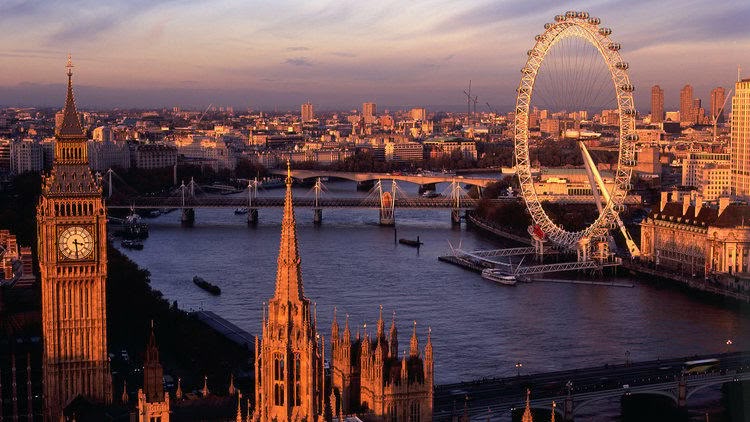

Londoners have grown accustomed to winter delivering at least a fleeting dusting of snow, even if only enough to coat rooftops and briefly disrupt the morning commute. Yet this season has brought an unusual contradiction. Temperatures have dipped to biting lows, frost clings stubbornly to pavements, and breath hangs visibly in the air, but the snow many anticipated has yet to arrive.
Across the city, the absence has sparked both curiosity and quiet disappointment. In parks and public squares, where snow typically transforms familiar landscapes into postcard scenes, the grass remains stubbornly green beneath the winter sun. For many residents, the disconnect between the cold and the lack of snowfall feels almost uncanny, as though a key element of winter has been withheld.
Meteorologists point to shifting weather patterns that have altered precipitation dynamics, but for the average Londoner, the explanation does little to dampen the sense that something is missing. Conversations in cafés and on commuter trains frequently circle back to the same observation: it feels cold enough to snow, so why hasn’t it?
The Rise of the “Snow Shield” Narrative
Amid the confusion, a playful yet persistent theory has taken hold in public discourse. Dubbed by locals as London’s “snow shield,” the idea suggests the capital possesses an almost mythical ability to repel snowfall, even as surrounding regions experience wintry conditions.
Social media has amplified the narrative, with users sharing images of snow-covered countryside just miles beyond the city’s boundaries, contrasted with London’s bare streets. The juxtaposition fuels speculation and humor in equal measure, turning the phenomenon into a shared cultural moment. While clearly tongue-in-cheek, the concept reflects a deeper fascination with the city’s microclimate.
Experts attribute the effect to the urban heat island phenomenon, where dense infrastructure retains warmth and subtly alters local weather systems. Combined with shifting wind patterns and marginal temperature differences, these factors can prevent snow from settling. Still, the scientific reasoning has not stopped residents from embracing the more whimsical explanation, one that adds a layer of intrigue to an otherwise ordinary winter.
Daily Life Without the Disruption
For some, the lack of snow has practical benefits. London’s infrastructure, often strained by even light snowfall, has operated smoothly throughout the colder weeks. Transport networks have avoided the delays and cancellations that typically accompany icy conditions, and businesses have continued without interruption.
Yet the efficiency comes at a cost to the seasonal atmosphere. Families who might otherwise venture out for snowball fights or impromptu sledding trips find themselves adjusting expectations. Retailers, too, note the absence of the subtle boost that wintry weather can bring, as snow often encourages festive outings and spontaneous purchases.
The city feels, in many ways, suspended between seasons. Decorations and winter wardrobes suggest one reality, while the ground beneath tells another. This dissonance has left some residents feeling that winter has not fully arrived, even as the calendar insists it has.
A Changing Winter Identity
Beyond the immediate novelty, the situation raises broader questions about how London’s winters are evolving. Climate variability has made traditional seasonal markers less predictable, challenging long-held assumptions about what winter in the city should look like.
Longtime residents recall heavier snowfalls in decades past, though such memories are often colored by nostalgia. Still, the perception of change is undeniable. Each year seems to bring new anomalies, whether in temperature, timing, or precipitation, prompting ongoing discussion about the future of seasonal patterns.
For now, the absence of snow remains a point of fascination rather than concern for most Londoners. The city continues to function, adapting quietly to the conditions presented. Yet as winter progresses, many will keep an eye on the forecast, wondering if the elusive snowfall will finally make an appearance or if the so-called snow shield will hold firm a while longer.