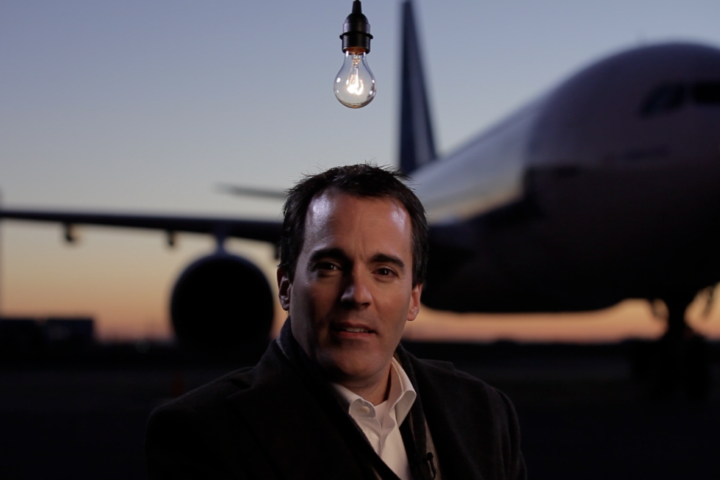

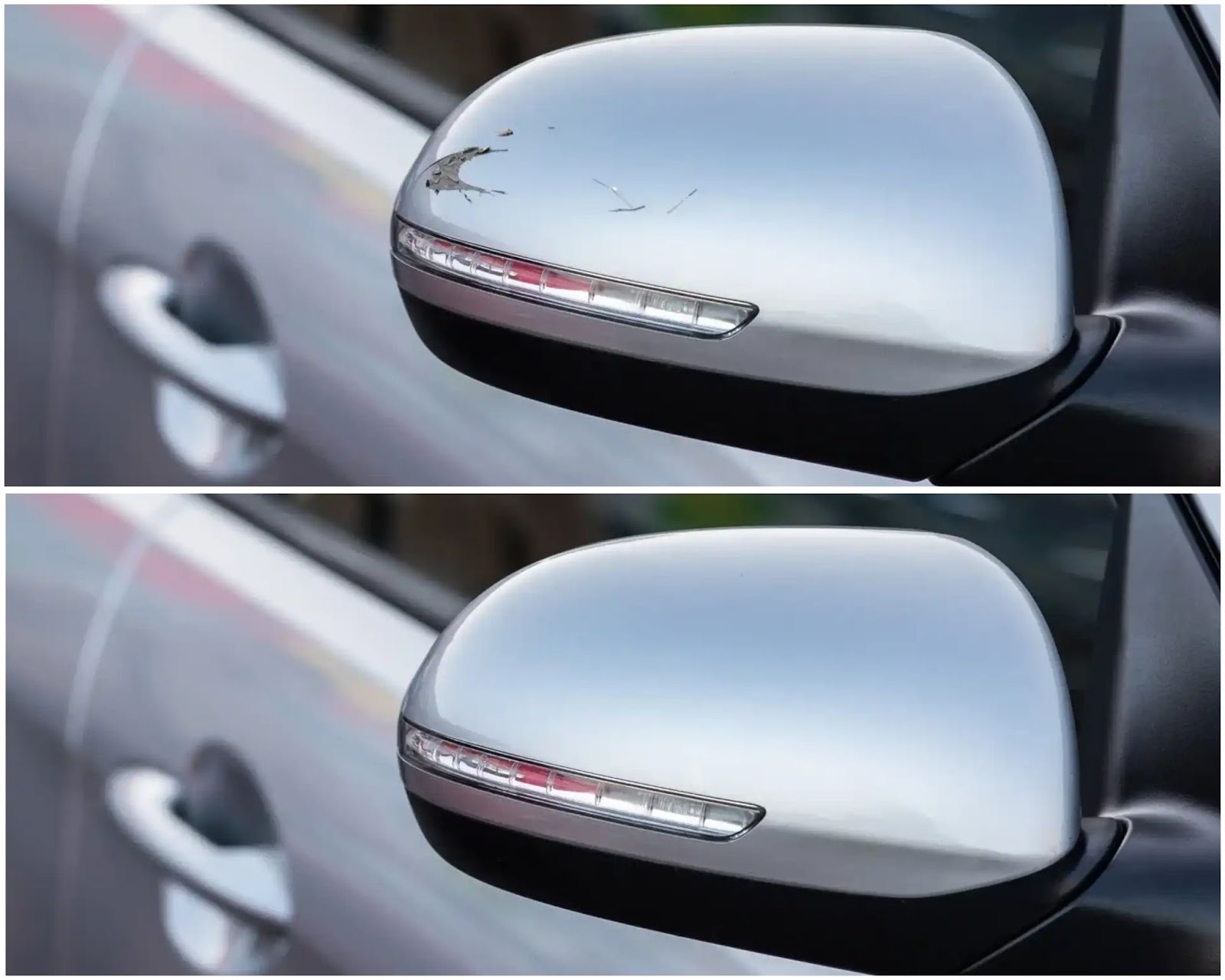

Ed Trent watched a customer pull into the dealership service bay with a familiar problem: a scraped bumper from a tight parking spot, a door ding from a grocery store lot, and curbed wheel rims. The repair quote came to $850. The customer’s insurance deductible sat at $1,000. She drove away with the damage still visible, her car’s resale value quietly dropping while she paid nothing to fix it. Trent saw this scenario repeat itself dozens of times before realizing the entire car repair industry had built a business model that punishes drivers for everyday accidents.
That observation led to the launch of Clipped Assist, a subscription service that covers minor cosmetic repairs sold through dealerships at the point of vehicle purchase. This service is slowly gaining traction among car owners who are looking to avoid shelling out hundreds of dollars multiple times a year for dings and scratches.
The Insurance Blind Spot
Traditional auto insurance wasn’t designed for the kind of damage most drivers actually experience. Deductibles typically exceed what small repairs actually cost, which means minor cosmetic issues fall into a coverage dead zone. A scratch repair might cost a few hundred dollars, but filing a claim risks raising premiums and affecting no-claims bonuses. Most drivers choose to leave the damage untouched.
“Drivers worldwide are operating vehicles worth thousands less than they should be because nobody wants to pay to fix a bumper scrape that insurance won’t cover,” Trent explains. “We’re not competing with insurance companies. We’re filling the space they abandoned.”
The financial logic makes sense when repair costs stay below deductibles. Cosmetic damage reduces resale value, yet professional repairs often cost enough to make drivers hesitate. They face a calculation where paying out of pocket feels excessive, yet ignoring the damage carries future costs when selling or trading in the vehicle. Neither option feels right, so most drivers operate damaged cars for years.
Why Subscriptions Work For Car Care
Trent isn’t the first entrepreneur to spot opportunity in recurring revenue models for vehicle services. Auto repair shops across the country have started testing membership programs for routine maintenance. The subscription car wash market has shown similar growth, with consumers demonstrating appetite for predictable monthly payments over surprise expenses.
What makes cosmetic repair subscriptions different is the frequency of the problem. A driver might need an oil change every few months, but door dings, parking lot scrapes, and wheel damage happen constantly in dense urban environments. Clipped Assist’s model covers unlimited repairs within specific categories like paint touch-ups, bumper scrapes, dent removal, and windscreen chips. Members pay a fixed fee at purchase regardless of how often they use the service.
“The psychology shifts completely when you remove the individual transaction,” Trent says. “People actually fix things when it doesn’t cost them extra money each time. We’re seeing members submit claims for damage they would have ignored for years under the old model.”
The business model works because it spreads risk across a large member base while keeping individual claim costs relatively low. Unlike mechanical failures that can run into thousands of dollars, cosmetic repairs typically stay manageable when handled by mobile technicians. The subscription revenue creates predictable cash flow while giving the company leverage to negotiate better rates with repair networks. Mobile service eliminates the overhead of physical shop locations while making the service more convenient for customers who can get repairs done at home or work.
Scaling Beyond Australia
Clipped Assist has established presence across major Australian and New Zealand cities through dealership partnerships, with plans to expand into additional international markets. The geographic strategy targets regions with high vehicle ownership rates and urban density, where parking lot damage and minor collisions occur frequently. Trent views the expansion as validation that the subscription model can work globally, though he acknowledges the challenges of building repair networks in new markets.
The company’s growth trajectory reflects broader consumer acceptance of subscription models across industries. Younger consumers particularly have shown preference for flat payments and predictable costs over variable expenses. Applying that framework to car repair required recognizing that cosmetic damage represents a recurring maintenance category rather than an occasional crisis.
The insurance industry created a gap by setting deductibles that make small claims financially illogical. Dealerships factor cosmetic repair costs into trade-in valuations, often deducting substantial amounts from offers when vehicles show multiple areas of damage. Drivers caught between these two systems have historically absorbed the loss or driven damaged vehicles for years. Trent saw that frustration and built a business around solving it.
The real test will be whether other markets respond the way Australia and New Zealand have. If they do, membership models might become as common for car repair as they are for streaming services and gym memberships. Trent is betting that once drivers experience the convenience of unlimited cosmetic repairs without insurance paperwork, they won’t go back to the old way of doing things. Potential customers can sign up simply by inquiring at their local dealership.