

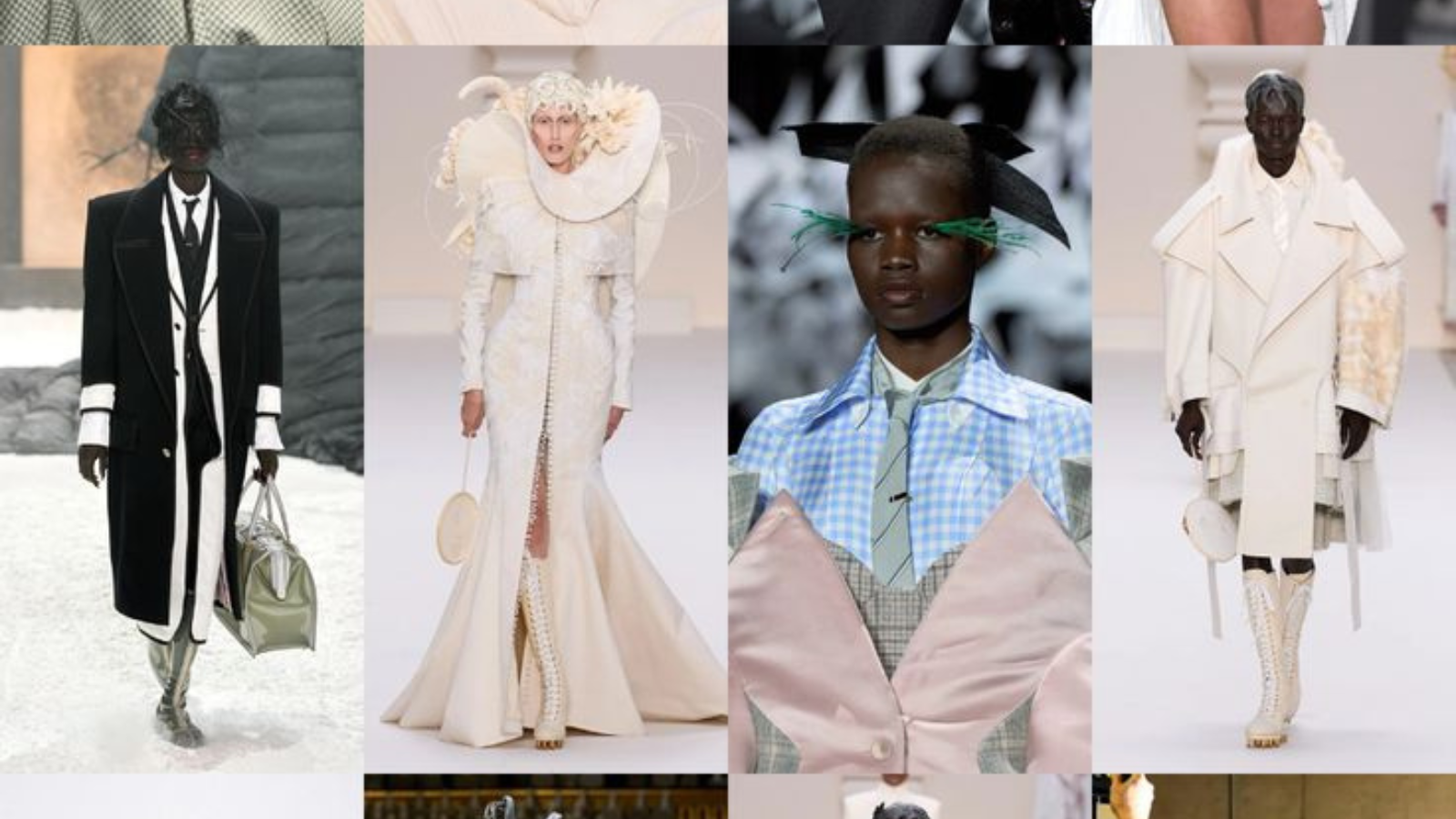

Beyoncé has never needed convincing that clothing can be more than something you wear. In the right hands, fashion can function like a work of art, built with intention and meant to be read as carefully as it is admired. That idea is now being placed squarely at the center of one of the world’s most watched red carpets.
This May, she will return to the Met Gala in what will be her eighth appearance, and this time she will do it as a co-chair. The attention that always gathers on the steps of the Metropolitan Museum of Art will feel even more concentrated, with many eyes waiting to see how she interprets a newly announced dress code: “Fashion is art.”
The Museum Announces the Theme and the Names Behind the Night
The Metropolitan Museum of Art shared the dress code on Monday, pairing it with a set of gala details that included additional guest names. The announcement positions the directive not as a narrow instruction but as a broad prompt, one that invites the attendees to treat their looks as statements rather than outfits.
Beyoncé will not be carrying that responsibility alone. She joins fellow co-chairs Nicole Kidman, tennis champion Venus Williams, and Vogue’s Anna Wintour, a familiar anchor for the event. Alongside them is a host committee, led by designer Anthony Vaccarello and filmmaker Zoë Kravitz, with a roster that spans multiple corners of culture.
That committee includes names ranging from Sabrina Carpenter and Teyana Taylor to Lena Dunham and Misty Copeland. The update also adds actor Angela Bassett and athlete Aimee Mullins. With each new name, the picture becomes clearer: the evening is designed to bring together different kinds of public figures and creative forces under a single, intentionally expansive concept.
A Dress Code Built for Interpretation
With May 4 approaching, the practical question settles in for everyone attending: what does it mean to dress for a code that declares, simply, that fashion is art? The phrasing is striking partly because it offers so much room. Instead of boxing guests into a strict historical reference or a specific silhouette, it points them toward an idea, then lets them decide how literal or how abstract they want to be.
In that sense, the code seems chosen for maximum flexibility. It can be approached with restraint or with spectacle, with a nod to craftsmanship or with a statement that reads from a distance. It also creates a stage where personal style can become an argument, with each guest effectively offering their own definition through fabric, shape, and styling choices.
Beyoncé’s presence makes that challenge feel sharper, not because the prompt is tailored to her, but because she is someone whose fashion choices are routinely treated as events in themselves. As one of the most watched women on the planet, and now a co-chair returning for the eighth time, she will inevitably be read as a kind of lead interpreter for the night’s message.
A Curator’s Line in the Sand
The dress code does more than guide wardrobes. It also makes a point about the ongoing conversation around clothing and cultural value. Andrew Bolton, curator of the Met’s Costume Institute, frames it with a clear sense of purpose, offering a wry hope that the message will settle a long-running argument.
“Hopefully,” Bolton quips, “it will put an end to the rather obsolete ‘Is Fashion Art?’ debate once and for all.” The line lands as both a joke and a declaration. It suggests the museum is less interested in re-litigating the question than in treating it as resolved, and in using the gala’s visibility to make that resolution feel inevitable.
That is what makes the announcement resonate beyond the guest list. The Met Gala has always been a place where symbolism and style collide, but a dress code like this turns the collision into the point. On May 4, the red carpet will not just display glamour. It will be asked to demonstrate, in hundreds of individual interpretations, what it looks like when fashion is presented not as adornment, but as art.