

Car shoppers are often told that big price differences are just part of the game. Buy at the right moment, negotiate the right way, shop in the right zip code, and you’ll land the best deal. But a recent investigation from CarEdge points to something less comforting: when identical requests for the same vehicle produce a five-figure spread in final pricing, the gap starts to look less like savvy bargaining and more like a broken system.
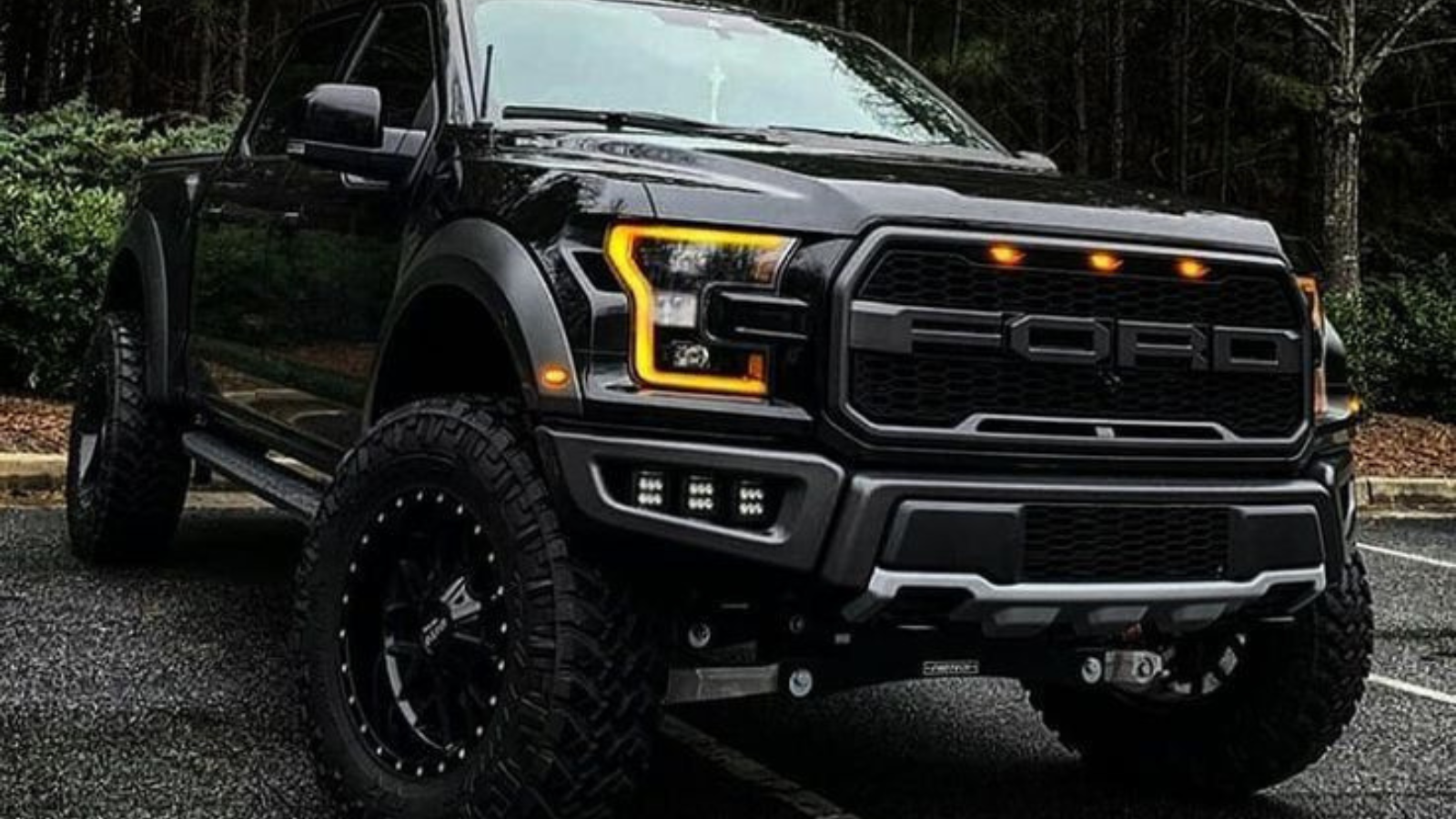
To see how today’s buying process behaves when the variables are controlled, CarEdge sent its AI shopping agents to reach out to one hundred Ford dealerships across the United States. Each store received the same message asking for an out-the-door quote on the same truck. The vehicle in question didn’t change from one inquiry to the next. The MSRP stayed essentially consistent as well, shifting only by a few hundred dollars. The buyer profile remained the same every time. The only meaningful difference was which dealership chose to respond, and how.
What followed helps explain why so many buyers describe the experience as exhausting and opaque. The findings didn’t land in silence; people recognized the pattern immediately. An X post describing the test drew widespread attention, climbing past 700,000 views, while a YouTube breakdown of the project surpassed 200,000 views. The reaction wasn’t fueled by disbelief so much as a sense of familiarity, as if consumers were watching their own frustrations finally quantified.
A $17,008 Spread That Isn’t About the Truck
When the quotes came back, the range was stark. For the same truck, the out-the-door figures stretched from $53,402 on the low end to $70,410 on the high end. That difference totals $17,008, attached to a vehicle whose MSRP was nearly the same across the board. For most households, that isn’t a rounding error or a minor swing. It’s the kind of gap that can change what someone can afford, or whether they can buy at all.
The numbers sharpen an uncomfortable point: this wasn’t a case of the truck itself driving the disparity. CarEdge’s exercise was designed to remove the usual explanations buyers hear, such as trim differences, mismatched equipment, or shifting manufacturer pricing. When those factors are effectively held steady, the story the quotes tell is about the dealership layer, and the way pricing is disclosed, packaged, and presented.
CarEdge CEO Zach Shefska framed the central takeaway in simple terms: the issue doesn’t appear to start with the vehicle or the automaker. Instead, the investigation highlights what happens when price transparency breaks down at the retail level. If one controlled request to one hundred dealers can produce such a spread, the typical shopper who contacts only three to five dealerships may be making decisions with a much narrower and potentially distorted view of the market.
Where the Money Moves: Fees, Add-Ons, and Foggy Math
If the truck wasn’t the source of the difference, the structure around the deal often was. CarEdge found that add-ons and fees varied dramatically between dealers, and in ways that did not appear standardized or easy for consumers to compare. Those layers changed the true price of the purchase, turning what should have been a straightforward quote into something murkier, and sometimes far more expensive than it initially appeared.
This is where many buyers feel the ground shift under their feet. A shopper can believe they are comparing like-for-like offers, only to discover that one dealership’s quote is weighed down by extra charges while another’s is closer to the clean baseline price. The resulting confusion doesn’t just complicate decisions; it can inflate the final cost for people who assume the numbers they’re seeing reflect the same underlying deal.
In practice, the inconsistencies create a marketplace where clarity becomes rare and uncertainty becomes normal. Even when a dealership signals a discount, the final price can tell a different story once various charges are introduced. In that environment, consumers are left trying to separate the actual vehicle price from the surrounding “extras,” without a consistent template that makes one quote easily comparable to the next.
The Patterns Dealers Fell Into When Asked for One Simple Number
Across the outreach, CarEdge observed behaviors that many consumers will recognize from their own attempts to buy a car. Some dealerships declined to provide quotes by email at all, pushing conversations into phone calls instead. Others promoted discounts that appeared to be counterbalanced by sizable fees that only surfaced in the full breakdown. In multiple cases, add-on packages were treated as required rather than optional, making it difficult for buyers to evaluate the real base cost.
CarEdge also noted that certain rebates were applied in ways that didn’t necessarily match the buyer’s ability to qualify for them, while other dealerships simply stopped responding after initial contact. The effect of these approaches is the same even when the tactics differ: the shopper’s request for a single, comparable out-the-door number becomes harder to fulfill, and the act of comparison shopping becomes more like decoding.
By the end of the exercise, every dealership’s response style fit into one of five general groupings: transparent and fair, phone call only, heavy on add-on and junk fees, high pressure, or no response at all. The most common outcome wasn’t the clear, consumer-friendly one. And that, more than any single quote, is what makes the $17,008 gap feel less like an anomaly and more like a symptom.