

Fashion has long served as a public language, a way for people to signal taste, mood, and identity without saying a word. Lately, though, a different expectation has been stitched into that self-expression: the idea that what you wear should actively help you handle the day. That shift has helped propel protective fashion into the spotlight, especially in cities and in outdoor settings where conditions can change quickly and unpredictably.
At its core, protective fashion describes garments and accessories designed to offer some form of practical defense while still looking intentional and current. The “protection” can be straightforward, like shielding the body from wind and rain, or more situational, like supporting safety in low light or reducing exposure to harsh environmental elements. As everyday routines blur between commuting, social plans, and spontaneous time outside, many people are gravitating toward pieces that look sharp but also quietly work in the background.
This movement didn’t appear out of nowhere. Designers have been responding to a growing appetite for clothing that keeps up with modern life, and advances in materials have made that response easier to deliver. What once felt like a choice between sleek and sensible has started to feel like a single category, where performance and appearance share the same design brief.
From Weatherproof to Earth-Minded Design
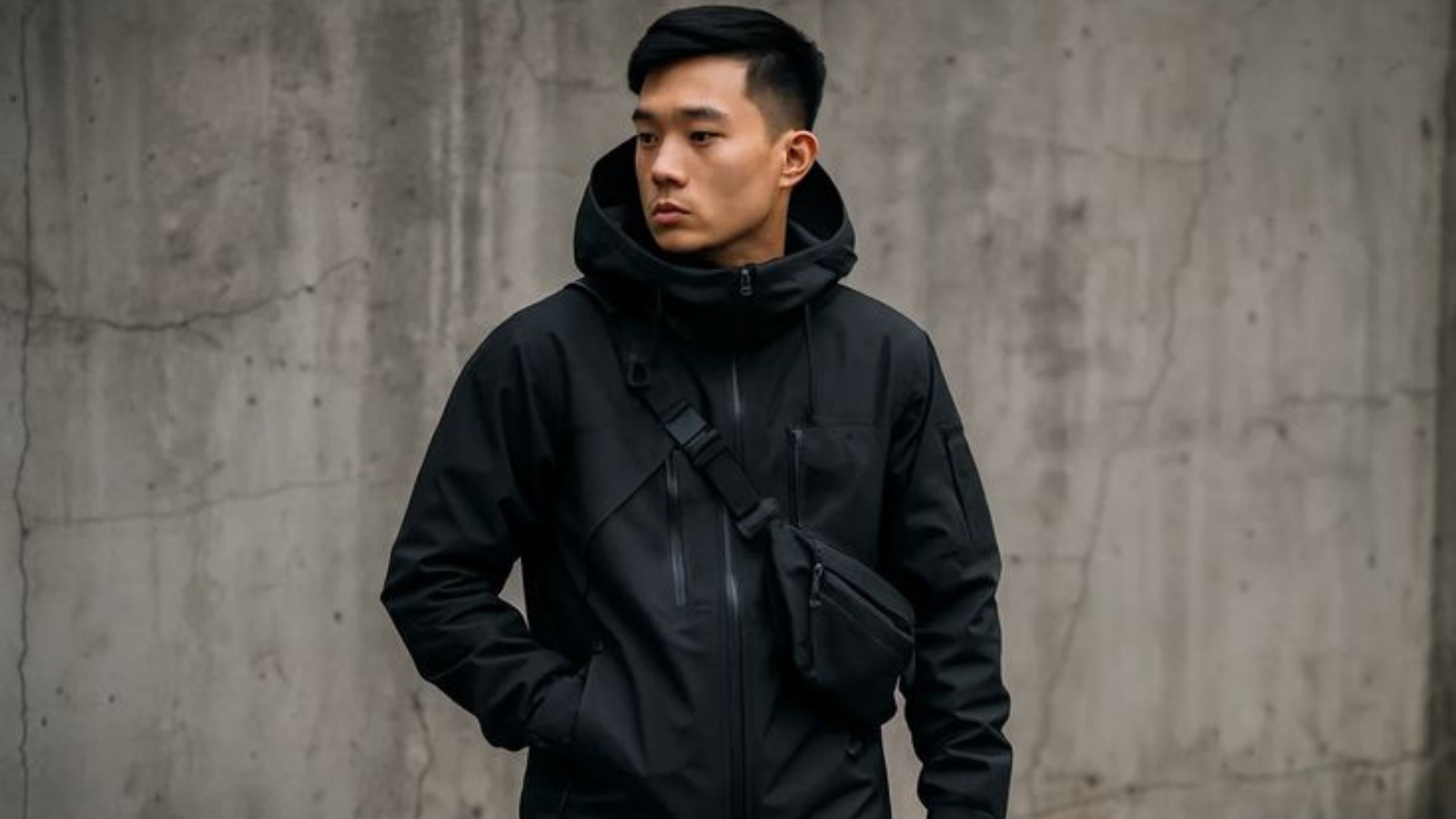
One of the clearest entry points into protective fashion is outerwear engineered for the elements. Not long ago, truly weather-ready coats often looked like gear first and style second, built for function but not necessarily for daily wear beyond the trail. That visual divide has narrowed. Contemporary weatherproof jackets now often arrive with cleaner lines, lighter construction, and silhouettes that fit as naturally on a city sidewalk as they do on a weekend hike.
The result is a kind of quiet confidence in clothing. A streamlined waterproof parka, for example, can read minimal and polished while still offering the coverage people want when the forecast turns. Instead of looking like a compromise, it becomes a staple, the piece you reach for because it feels reliable and still reflects your aesthetic.
Protection is also being interpreted through the lens of sustainability, with designers treating the planet as something fashion should help safeguard, not strain. As environmental concerns have intensified, more labels have leaned into recycled inputs, lower-impact fabrics, and construction intended to extend a garment’s useful life. In this version of protective fashion, durability is part of the point: clothing built to last protects the wearer from the elements while also helping reduce waste over time.
That sustainability angle changes how people evaluate value, too. A jacket or pair of shoes can feel more compelling when it offers both physical resilience and a sense of responsibility. The protection isn’t only about a sudden downpour or a cold wind; it’s also about making choices that align with a longer view of consumption.
The New Look of Safety in Daily Life
The hardest part of protective fashion has always been the balance between utility and visual appeal. Traditional safety-focused clothing often prioritized performance and visibility above all else, leaving style as an afterthought. Today’s approach flips that expectation by treating safety features as design elements rather than awkward add-ons, and that shift has helped protective pieces blend into mainstream wardrobes.
Consider face masks during the COVID-19 era. What began as a necessary protective measure quickly developed a style dimension, with people choosing colors, patterns, and materials that matched their outfits and expressed personality. The mask became less of an interruption and more of an accessory, and that mindset spilled into other items people once viewed as purely practical.
Reflective details offer another example, particularly in urban environments where walking, running, and cycling after dark are common. Visibility used to come packaged in obvious, sporty styling. Now reflective accents appear in jackets, bags, and shoes designed with modern proportions and streetwear sensibility. The goal remains safety, but the experience feels different because the piece doesn’t announce itself as “gear.” It simply fits, and it happens to help the wearer be seen when lighting is poor.
Protective fashion also intersects with wearable tech and high-performance textiles that offer benefits without demanding attention. Some garments incorporate sensors to track indicators like body temperature or heart rate, presenting protection as information and awareness rather than bulk or armor. Others use advanced fabrics designed to resist UV rays, giving wearers another layer of defense against sun exposure through what looks like ordinary, stylish clothing. In each case, the appeal comes from integration: the protection is real, but it doesn’t dominate the look.
Why This Trend Keeps Accelerating
Protective fashion is rising because it matches how people actually live now. Health, safety, and sustainability have become everyday considerations rather than niche concerns, and consumers increasingly want wardrobes that reflect that reality. When people move through crowded commutes, changing weather, and busy schedules, clothing that provides subtle safeguards can feel like a practical upgrade, not an indulgence.
Sustainability remains a major driver, especially as shoppers pay closer attention to materials and longevity. Protective pieces made with recycled or eco-conscious components appeal not only because they hold up against the elements, but because they align with values that have become central to buying decisions. The story of the garment matters more than it used to, and protection has expanded to include impact.
Versatility plays a role as well. In the wake of the pandemic, many consumers started favoring items that transition smoothly across settings, working for a quick errand, a day at home, a commute, and a casual evening out. Protective fashion fits this demand by offering adaptable design and built-in function, allowing one piece to cover more scenarios without looking out of place.
The steady influence of athleisure has also shaped expectations, as comfort-forward dressing remains dominant. People want fabrics that move well, breathe, and perform, and they increasingly prefer garments that support active routines while adding an extra margin of protection, whether through moisture management or weather resistance. What’s changed is the styling: these clothes no longer look limited to workouts or weekend activities, and that makes them easier to wear more often.
Ultimately, protective fashion signals a shift in what consumers believe clothing should do. It’s still about style and self-expression, but it’s also about readiness and reassurance in a world that can feel unpredictable. As designers continue refining materials and silhouettes, this category looks less like a passing phase and more like a lasting evolution, where looking good and being prepared finally share the same closet.