

The artificial intelligence race is heating up faster than the summer sun, with several of the world’s largest technology firms rolling out fresh AI models and updates in a single, packed week.
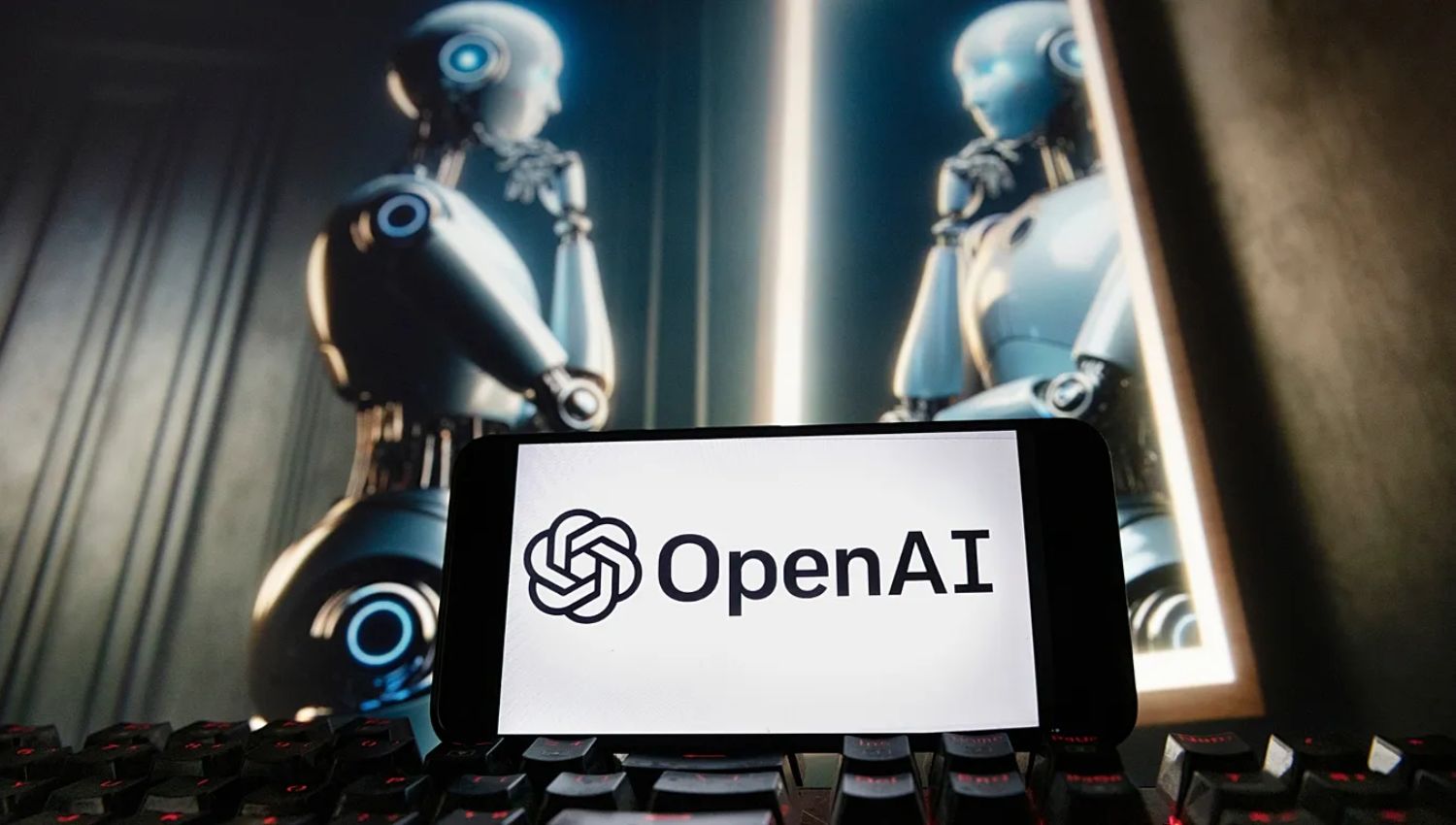
At the center of the activity is OpenAI, which is set to make GPT-5.6 broadly available on Thursday. The move opens the door to its most capable system yet, following an initial rollout that was limited to a select few. The company originally introduced GPT-5.6 in late June, but kept it behind closed doors, granting access only to a handful of approved partners while the US government examined possible national security implications.
That cautious approach echoes the earlier saga surrounding Anthropic’s Fable model, which was released, pulled back, and then reissued. In both cases, US authorities voiced worries that ever-more-powerful AI could be exploited for harmful ends, including cyberattacks or military applications.
In a post on X late Tuesday, OpenAI confirmed it will roll out GPT-5.6 Sol alongside its Terra and Luna variants. Sol represents the company’s top-tier, most advanced offering, Terra serves as a more affordable mid-range choice, and Luna is positioned as the most budget-friendly option.
The staggered launch strategy adopted by leading AI firms underscores a shift in the competition. The contest is no longer just about raw capability, but increasingly about who dictates deployment, whose data fuels these systems, and where and how they ultimately get used.
The postponed release also reflects mounting government interest in frontier AI. Policymakers are pushing for greater oversight of systems that could touch sensitive domains such as cybersecurity, defense, and intelligence. In June, the Trump administration issued an executive order creating a voluntary arrangement allowing AI developers to make “covered frontier models” available to the US government for as long as 30 days before extending them to trusted partners and, eventually, the general public.
OpenAI pushed back on the idea of such reviews becoming permanent. The company argued that this kind of government access process should not become the long-term norm, warning that it withholds the best tools from users, developers, enterprises, cyber defenders, and international partners who rely on them. It framed the current arrangement as a temporary measure, describing it as the surest route to wider availability in the weeks ahead while it collaborates with the administration on a cyber-focused framework and a repeatable model-release process.
xAI and Meta Join the Fray
OpenAI is far from alone. Elon Musk’s AI company, xAI (also referred to as SpaceXAI), is reportedly gearing up to launch a new model in partnership with Anysphere, the firm behind the popular AI coding assistant Cursor. According to The Information, which cited an internal staff memo, the model could debut as early as Wednesday and is built to process information rapidly, putting it in competitive territory with Anthropic’s Opus 4.8 and OpenAI’s GPT-5.5.
Meta, meanwhile, has introduced Muse Image, the first image-generation model developed by its Meta Superintelligence Labs division. Like rival tools, Muse Image handles prompt-based image creation and editing. Meta pitches it as a “creative partner” capable of helping users “turn ideas into high-quality visuals” for sharing across feeds, stories, and chats.
The tool has already attracted criticism, however. Users with public Instagram accounts can be tagged in prompts, meaning others could generate images drawing on their public posts as reference material unless they opt out through their settings. Meta’s policy notes that people may be able to create content using someone’s Instagram material through the company’s AI features, and that users will not receive any notification when such content is produced.