

Long before tragedy struck, murmurs of unease had already begun circulating among those most familiar with Spain’s rail system. Train drivers navigating the route had reportedly raised repeated concerns about a specific stretch of track, describing it as potentially hazardous under certain conditions. These warnings, while documented in internal channels, did not appear to trigger urgent corrective action.
The section in question linked high-speed travel with a sudden shift in track design, requiring rapid deceleration. Drivers noted that the transition was not only abrupt but also insufficiently supported by visible warning systems. In a network celebrated for its efficiency and engineering precision, this anomaly stood out as an overlooked vulnerability.
Despite Spain’s reputation for maintaining one of Europe’s most advanced rail infrastructures, the concerns reflected a gap between operational experience and administrative response. For many in the industry, the issue was not whether a problem existed, but whether it would be addressed in time.
The Day of the Crash
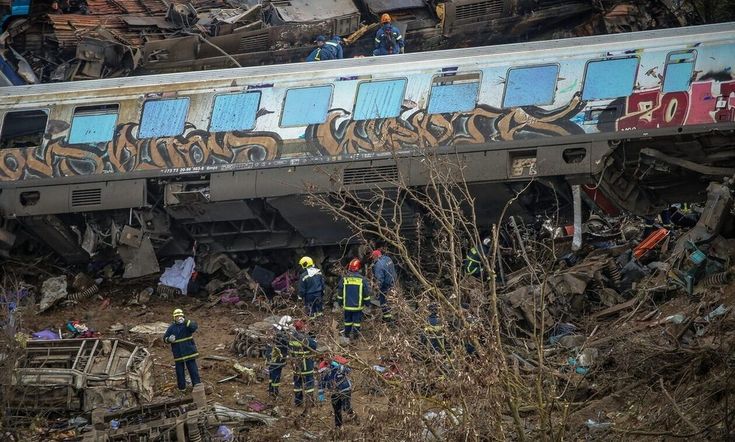
The collision that ultimately claimed 39 lives unfolded with devastating speed. The train, traveling along the high-speed corridor, entered the critical stretch of track at a velocity that left little room for recovery. Within moments, the situation escalated beyond control, resulting in a derailment that shocked the nation.
Passengers described a sudden shift from routine travel to chaos, as carriages lurched and metal twisted against the rails. Emergency services responded swiftly, but the scale of the destruction posed significant challenges. Rescue teams worked through the wreckage, navigating debris and unstable structures in a race against time.
In the immediate aftermath, questions began to surface. How could such a catastrophic event occur on a route known for its modern design? And more importantly, could it have been prevented? These questions quickly moved from public speculation to formal investigation.
A System Under Scrutiny
As investigators began piecing together the sequence of events, attention turned to the earlier warnings issued by drivers. Records indicated that concerns had been raised about the track’s design and the need for enhanced safety measures, including clearer signaling and automated speed controls.
The absence of these safeguards became a focal point in the inquiry. Experts pointed out that modern rail systems often rely on layered safety mechanisms to compensate for human error or unforeseen conditions. In this case, the lack of such redundancies may have amplified the consequences of a single miscalculation.
Officials faced mounting pressure to explain why the warnings had not resulted in immediate action. While some argued that procedural reviews were underway, critics questioned whether the pace of response matched the severity of the risk. The incident exposed not only technical shortcomings but also deeper issues in how safety concerns are prioritized and addressed.
Grief, Accountability, and the Path Forward
In the days following the crash, Spain entered a period of mourning. Vigils were held across the country, with families and communities coming together to honor those who lost their lives. The tragedy resonated far beyond the immediate victims, prompting a broader reflection on public safety and institutional responsibility.
For the families affected, grief was accompanied by a demand for accountability. Many called for a transparent investigation that would not only identify what went wrong but also ensure that similar incidents could be prevented in the future. Their voices added urgency to ongoing discussions about reform within the rail system.
Looking ahead, the disaster may serve as a turning point. Authorities have already indicated plans to review safety protocols and infrastructure standards, with a focus on integrating more robust warning systems. Whether these measures will restore public confidence remains to be seen, but the lessons of the crash are unlikely to fade quickly.
In the end, the story of the Spain rail disaster is not solely about a single घटना, but about the accumulation of overlooked signals and delayed responses. It is a reminder that in complex systems, small warnings can carry profound implications when left unaddressed.