

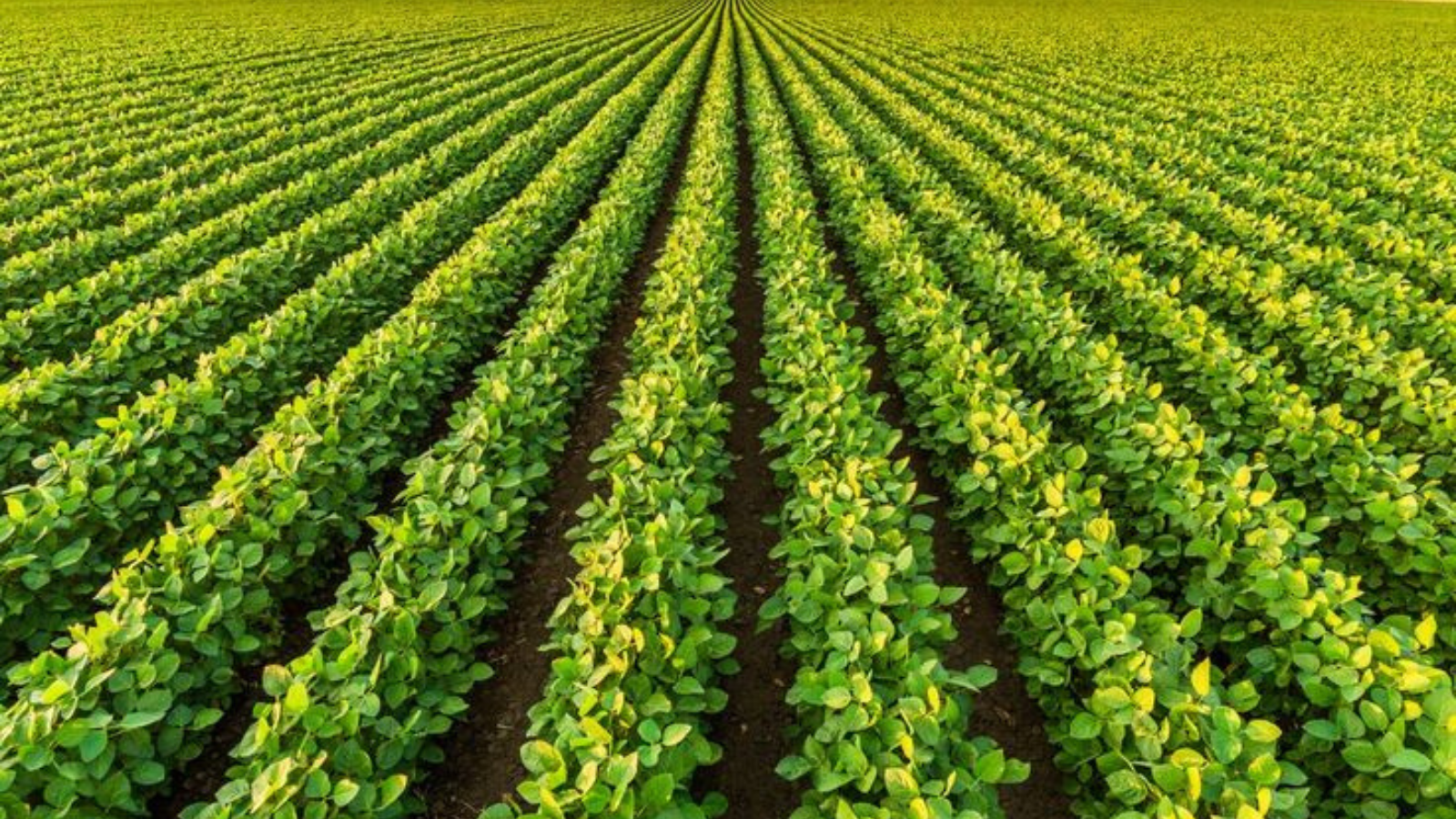

Agriculture is changing fastest where scientific rigor and business initiative overlap. In today’s farm economy, discovery alone is not enough, and commerce without evidence can be wasteful. Real progress comes when research, field practice, and market demand move in step, translating hard data into tools and methods that working producers can actually adopt. That blend matters more than ever as the world wrestles with how to grow more food while using fewer inputs and protecting the land that makes farming possible.
Meg Miller, an Animal Science and Agribusiness Management student who has spent years working in agriculture and alongside animals, views this moment as an opening for practical innovation rooted in science and sharpened by entrepreneurial thinking. Climate pressure, expectations around sustainable production, and the push for stronger yields are all tightening at once. In that squeeze, technologies such as the Internet of Things, artificial intelligence, and biotechnology stand out as pathways to smarter decision-making and better outcomes, not as abstract trends but as workable responses to urgent needs.
One clear example is precision agriculture, which has shifted many operations away from broad, uniform treatment of fields and toward targeted action guided by measurement. Using tools like GPS and satellite imagery, farmers can monitor crop performance and key variables that influence growth, including soil conditions, weather patterns, and plant health. That visibility changes everyday choices, from when to plant to how to irrigate to what to apply and where, helping raise yields while reducing waste and limiting environmental strain. GPS-guided equipment, for instance, supports more exact planting and input application, cutting down on overlap and excess.
IoT-based smart farming extends that same logic by turning fields into continuous sources of information. Sensors can track factors like temperature, soil moisture, and nutrient levels, sending real-time updates that allow farmers to respond quickly without relying on guesswork. Miller points to how automated irrigation can activate when soil moisture drops, aligning water use with actual need instead of habit. She also notes that livestock monitoring can use connected devices to follow animal movement and health more easily, bringing the same data-first mindset to herd management.
As farms generate more information, AI and machine learning become the bridge between raw data and useful action. By drawing from sensor feeds, satellite imagery, and weather forecasts, these systems can surface insights that are difficult to spot manually. AI can help forecast yields, flag signs of plant disease sooner, and suggest more precise fertilizer and pesticide use. The payoff is not just higher productivity but improved risk management, especially when conditions shift quickly and a delayed response can cost an entire season.
Sustainability as a Business Strategy, Not a Slogan
As population growth collides with climate volatility, entrepreneurs are building companies and models that treat sustainability as a core operating principle rather than a marketing line. Many are leaning into organic farming, choosing natural alternatives in place of synthetic pesticides and fertilizers. This approach supports soil health and biodiversity while meeting consumers where demand is headed, with buyers increasingly looking for products aligned with health priorities and environmental concerns.
That demand is reshaping markets on a global scale, and entrepreneurs are responding by developing organic operations and the supply chains that support them. Traceability and integrity matter in these systems, because the promise of organic depends on trust from farm to shelf. The momentum here is larger than a niche play; it reflects a broader shift toward food production that aims to be durable over time, both economically and ecologically.
Agroecology offers another pathway, blending ecological principles with production goals by emphasizing diversity, conservation, and the relationships among plants, animals, and the surrounding environment. Miller describes agroecology as an approach that mirrors natural ecosystems and, by doing so, can build farming systems that stay resilient with less reliance on external inputs. In practice, that mindset shows up in entrepreneurial work around permaculture design, agroforestry, and polyculture farming, all focused on creating productive systems that do not depend on heavy, constant intervention.
At the same time, the startup reality in agribusiness can be unforgiving. New ventures often face steep upfront costs, complex regulations, and the challenge of mastering both technical agriculture and commercial execution. Yet many push through by specializing, innovating, and forming strong relationships across the value chain, connecting with farmers, consumers, and investors who share the same sustainability goals. Vertical farming illustrates this pattern, using controlled environments and technology to grow crops efficiently while reducing water and nutrient use and maximizing space.
Policy also influences whether sustainable entrepreneurship can scale beyond early adopters. Government programs and regulatory frameworks can either accelerate adoption or quietly stall it, depending on how they are designed. Incentives such as subsidies or tax benefits can make transitions, like shifting to organic methods, more financially feasible. Support for research and development matters too, because sustainable practices often rely on strong scientific validation before they can win wide confidence. When policies also help sustainable products reach markets fairly, entrepreneurs have a clearer runway to compete and grow.
Partnerships That Move Ideas Into the Real World
The most effective agricultural innovation rarely happens in isolation. Modern agriculture increasingly operates as an ecosystem where scientists, entrepreneurs, public agencies, and private companies work together, sharing expertise and splitting the distance between lab insight and field adoption. These partnerships matter because the problems are complex and interconnected, and solutions need to be both technically sound and economically viable to last.
In this division of labor, scientists bring research and clarity on biological, environmental, and technological realities, while entrepreneurs focus on what can scale, what farmers can use, and what markets will support. Miller argues that when these strengths combine, the result is more than invention for its own sake. It becomes a pipeline for practical solutions grounded in evidence and shaped for real conditions, increasing the likelihood that new ideas become tools that improve outcomes on farms.
Public-private partnerships have also driven advances by aligning shared goals such as food security, sustainable practices, and responsible technology deployment. In parallel, collaboration between research institutions and industry continues to push agricultural research forward through joint projects, shared funding, and exchanges of resources and know-how. These arrangements tend to be mutually reinforcing: institutions gain access to practical application pathways and industry perspective, while companies gain access to findings that can become products and services with measurable impact.
This cooperative engine becomes especially important when agriculture faces global-scale threats. Climate change can reduce yields, shift growing seasons, and increase pest and disease pressure, forcing adaptation across crops and regions. Scientists and entrepreneurs have responded through work on drought-resistant varieties, improved irrigation, and soil health strategies. Entrepreneurs also play a role in implementation, advancing renewable solutions like solar-powered irrigation to lower operational emissions, and exploring agricultural settings for carbon capture and storage as part of broader reduction efforts.
Food security, meanwhile, depends not only on production but on how food moves and how much is wasted. Digital supply chain platforms can improve distribution and efficiency, while precision agriculture supported by AI and IoT can help maximize yields with careful resource use. Entrepreneurs have also expanded urban and vertical farming efforts that bring production closer to consumption centers, offering an additional route to resilient supply. Miller emphasizes that international cooperation strengthens all of this, because shared knowledge and shared tools accelerate breakthroughs that no single region can deliver alone. Global forums and research networks help coordinate that effort, shaping policies and strategies aimed at sustainable agriculture and a more food-secure future.