

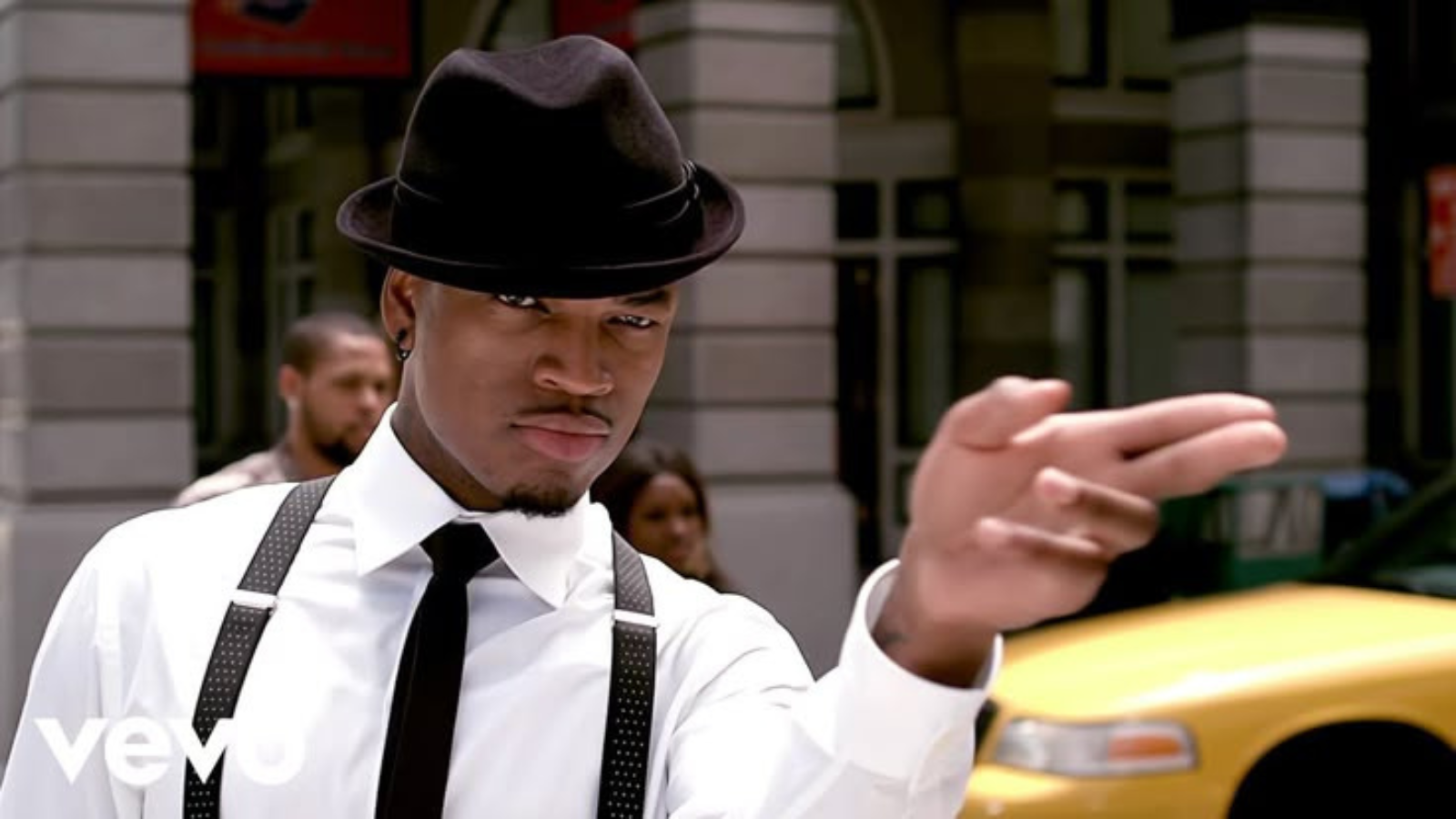

Broadway has a way of turning a familiar name into a brand-new kind of headline, and NE‑YO is doing exactly that in New York City with his first turn in Hell’s Kitchen. Known worldwide as a Grammy-winning vocalist and hitmaker, he’s now channeling that same musical identity into a live theatrical setting, where emotion has to land not through headphones but across an auditorium. The production has been earning attention for its writing and performances, yet his presence adds a distinct current that audiences can feel the moment he appears.
What makes this move resonate is how naturally his sensibility fits the show’s tone. Hell’s Kitchen trades in intensity and heart, and NE‑YO’s artistry has always lived in that space, built on melody, vulnerability, and a controlled kind of fire. As the musical gains momentum, his contribution stands out not as a novelty but as a genuine part of the storytelling engine.
For many theatergoers, it’s also a reminder that Broadway is not a sealed tradition but a living stage. When a performer with deep roots in contemporary R&B steps into that world, it signals that the definition of a “Broadway voice” can expand without losing its power. That expansion feels especially meaningful for younger audiences and music-first fans who might not typically see theater as their arena.
Where R&B and Theater Meet in New York
When NE‑YO first made it known he was heading from studio sessions to a Broadway run, curiosity followed immediately. His catalog helped define an era of radio and playlists, with songs like “So Sick” and “Miss Independent” showcasing a polished blend of R&B and pop. Bringing that legacy into a scripted, staged production could have felt like a sharp left turn, but in Hell’s Kitchen it reads more like a natural evolution of what he has always done: perform emotion with precision.
The show’s Manhattan setting carries its own weight. Hell’s Kitchen is portrayed as more than a place name; it functions as an atmosphere, shaped by cultural memory, movement, and the layered energy New York is famous for. Against that backdrop, NE‑YO’s performance leans into feeling and intensity in a way that aligns with the neighborhood’s reputation for grit and personality. The result is a sense of alignment between performer, material, and setting rather than a star being dropped into a production for attention.
That alignment also speaks to Broadway’s ongoing shift toward a wider musical vocabulary. Theater has always evolved, but the current moment feels especially open to sounds and styles that once lived more clearly outside the traditional canon. By bringing R&B inflection into the space, NE‑YO helps create a blend that mirrors New York itself: a collision of genres, stories, and communities sharing the same streets and, now, the same stage.
Celebrity, Crossover, and a Changing Broadway Audience
NE‑YO’s role in Hell’s Kitchen points to something bigger than one performer taking on a new challenge. His visibility draws eyes, but the real impact lies in what happens after the ticket is bought. A recognizable name can widen the doorway to Broadway, encouraging fans who don’t usually attend musicals to try the experience in person. In that sense, his casting doesn’t just amplify the show’s profile; it changes who feels invited to walk into a theater.
What he brings onstage goes beyond recognition. His charisma is part of the appeal, but so is the way he performs within the production’s emotional demands. He doesn’t simply “act” and then “sing” as separate tasks; he carries the same soulful intensity associated with his music into the dramatic rhythm of a live show. That integration makes the crossover feel less like a gimmick and more like proof that the distance between concert performance and theater storytelling can be smaller than people assume.
In a city that constantly remakes its own culture, this kind of genre blending feels almost inevitable. Broadway has long been a centerpiece of New York’s identity, and it continues to respond to what the broader entertainment world is doing. As more contemporary musical influences shape the stage, Hell’s Kitchen stands as an example of how that evolution can look when it’s done with intention and authenticity. For audiences, it offers something that feels both comfortably recognizable and newly alive: the pull of R&B energy meeting Broadway craft, right in the heart of the city.