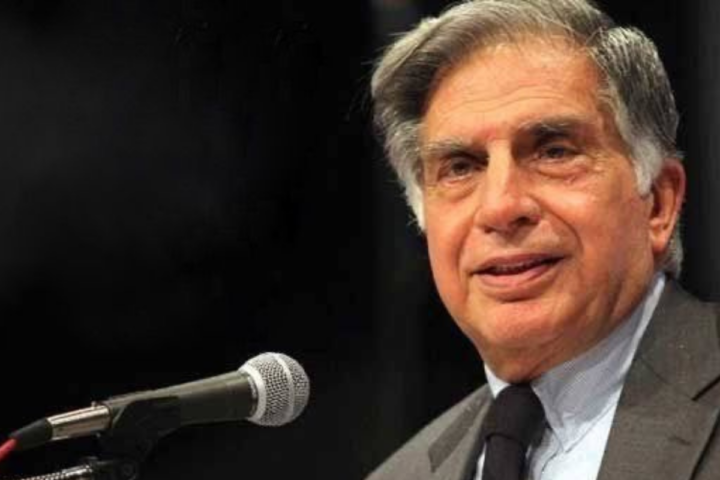



Booker Brown didn’t set out to become a financial strategist because it sounded impressive. He arrived there because life forced the issue, and the lesson came at a cost. After spending twenty-five years working in education, he expected the next chapter to look like what most people picture when they hear the word “retirement,” a slower pace, more time, and the comfort of knowing the bills would stay manageable. Instead, unexpected health challenges upended his plans and pushed him into leaving work earlier than he had anticipated.
That early exit exposed something he had never been taught to see. When he needed access to what he had saved, taxes and penalties reduced what was available. The result was not simply an inconvenience. It was a financial shock that made clear how quickly a “responsible” plan can unravel when circumstances change. For Booker, the experience became more than a personal hardship. It became a turning point that reshaped how he viewed retirement planning and what he believed people deserved from it.
Today, Booker works as a financial strategist with a focused mission: help people protect what they’ve built by reducing exposure to risk, cutting unnecessary fees, and limiting tax damage that can show up when retirees can least afford it. His work is driven by the conviction that retirement should not turn into a second job of worrying, recalculating, and hoping the numbers last. It should be the stage of life where a person finally gets to breathe.
The Quiet Erosion Inside Traditional Retirement Accounts
Many people contribute for decades and assume the hardest part is done. But Booker points to a troubling reality he says is widely overlooked: a significant share of retirement savings can be lost to taxes and fees, often in the range of thirty to forty percent. That kind of drain can change the entire trajectory of retirement, not because someone failed to save, but because the structure of the plan works against them the moment they start using it.
Traditional accounts such as 401(k)s, 403(b)s, and IRAs are commonly presented as the standard route to retirement readiness. The appeal is familiar. Contributions are often framed around tax deferral, and for many workers the accounts feel like the default answer to a complicated question. Yet Booker emphasizes that “tax-deferred” does not mean “tax-free,” and that distinction matters most when withdrawals begin. When income is needed, taxes can take a large bite, reducing what a retiree can actually spend.
He also highlights other features that can create stress later. Market movement can affect savings, sometimes at the exact point when stability matters most. Access rules can make money feel out of reach, with age thresholds and penalties shaping what a person can do if life forces an early change of plans. And even after years of consistent contributions, there is no built-in assurance that the funds will cover the full length of retirement. For Booker, these are not abstract drawbacks. They are the kinds of issues that turn long-term saving into short-term anxiety.
A Tax-Free Approach Built Around Control and Clarity
Booker’s work centers on helping clients move away from reliance on tax-deferred structures and toward strategies designed for tax-free growth. His message is not that saving is pointless. It is that the way people save matters, especially when the goal is to keep more of what they’ve earned and reduce unpleasant surprises. He focuses on strategies that are presented as IRS-compliant and structured to avoid the familiar pain points of taxes, fees, and volatility.
In his approach, growth is positioned as tax-free, meaning the accumulation is not reduced by taxes on principal or earnings. He also emphasizes protection from market downturns, aiming to remove the fear that a bad stretch in the market could shrink retirement savings at the wrong time. Another point he stresses is uninterrupted compounding, with the intention that growth continues without the kinds of disruptions that can happen when fees, taxes, or timing issues interfere.
Just as important to clients, Booker’s method emphasizes access. He describes solutions built for liquidity, so people are not boxed in by age-based restrictions or penalized for needing their own money sooner than expected. Withdrawals, in this framing, avoid being treated as taxable income and do not trigger the kind of reporting that many retirees associate with traditional distributions. The guiding idea is simple: retirement planning should feel like a system a person controls, not a set of rules they discover too late.
Why So Few People Hear About Options Like This
Booker believes the information gap is not accidental. In his view, the financial world does not consistently reward education that empowers consumers to choose alternatives, especially when many advisors focus on products tied to their contracts and compensation structures. That dynamic can funnel ordinary savers toward accounts that carry higher fees and greater exposure to risk, while leaving other approaches largely out of the conversation.
He also points to the broader absence of financial literacy training. When schools don’t teach personal finance, people often enter adulthood without a framework for understanding taxes, account structures, or the long-term consequences of common retirement choices. The result is predictable: most individuals do what seems normal, follow the most familiar path, and assume that a standard solution will automatically produce a stable retirement.
Booker’s response is to position transparency as the starting point. He focuses on client-first education, explaining how taxes and fees can shape outcomes and why “traditional” doesn’t always mean “optimal.” His goal is to help families build long-term security without relying on guesswork, and without being forced into strategies that carry risks they never knowingly agreed to take.