

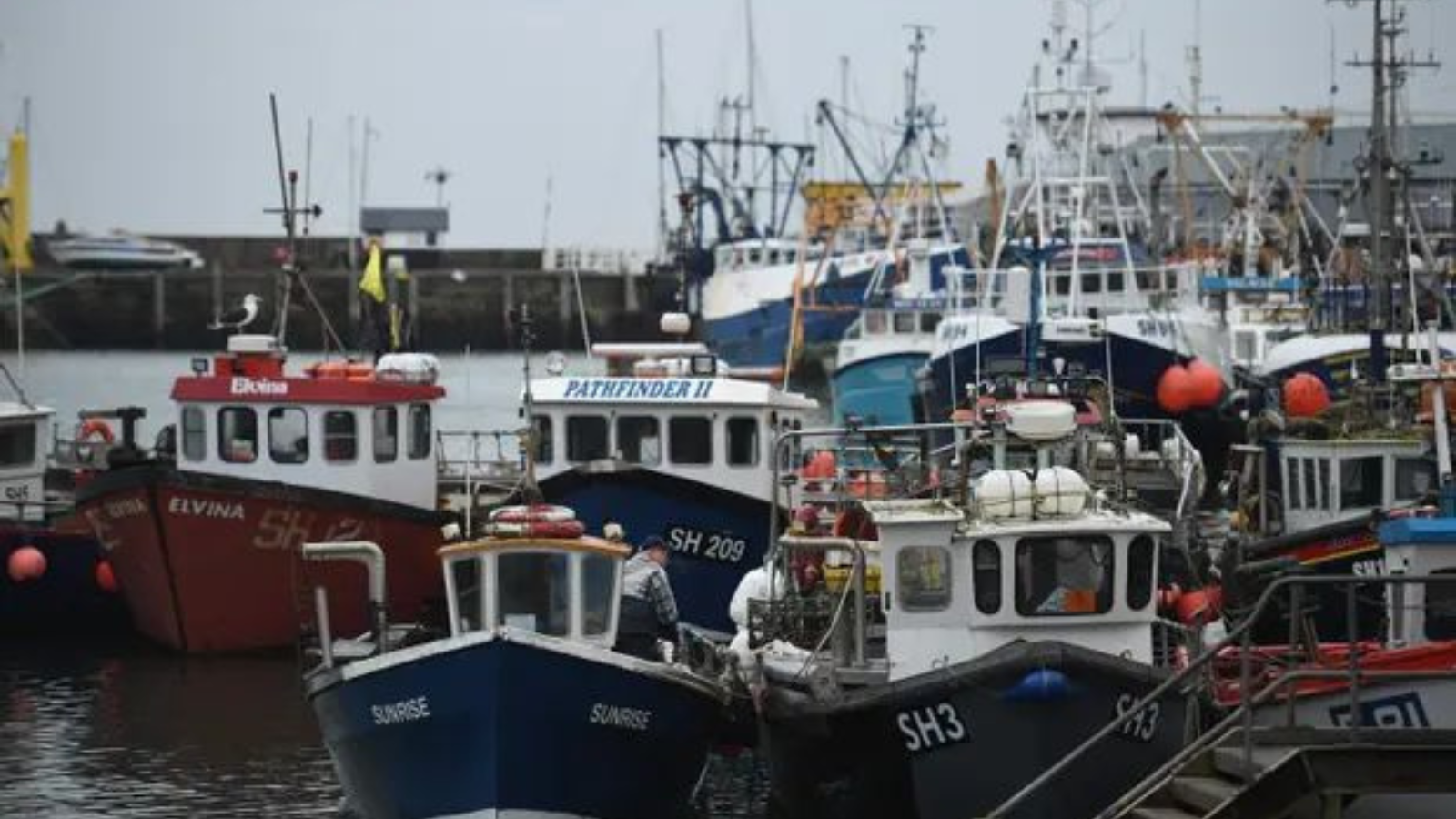

Along the UK’s rugged shorelines, where fishing boats have long defined both livelihood and identity, a renewed sense of possibility is beginning to take shape. A newly unveiled £132 million government fund is set to channel investment into coastal regions, targeting communities that have historically depended on the sea but have faced mounting economic pressure in recent years.
For many of these areas, the fishing industry is more than just a source of income. It represents generational knowledge, cultural heritage, and a deeply rooted connection to place. Yet shifting trade dynamics, regulatory changes, and rising operational costs have left many small-scale operators struggling to stay afloat. This latest funding initiative signals a broader effort to stabilize and modernize an industry that remains vital to the UK’s coastal identity.
The fund is expected to support a range of projects, from infrastructure upgrades to sustainability initiatives. By addressing both immediate needs and long-term resilience, the program aims to ensure that coastal economies are not only preserved but positioned for future growth.
Investing in Infrastructure and Innovation
A significant portion of the funding is earmarked for improving physical infrastructure, including ports, processing facilities, and storage capabilities. In many regions, outdated equipment and limited capacity have constrained productivity, making it difficult for local businesses to compete in an increasingly globalized market.
Modernization efforts are likely to focus on enhancing efficiency while reducing environmental impact. Investments in cleaner technologies, better waste management systems, and improved logistics networks could help fishing operations adapt to evolving regulatory and market expectations. This approach reflects a growing recognition that sustainability and profitability are no longer mutually exclusive goals.
At the same time, innovation is being positioned as a key driver of transformation. By encouraging the adoption of new tools and techniques, the initiative seeks to empower smaller operators who may lack the resources to innovate independently. This includes digital tracking systems, advanced processing methods, and improved supply chain integration, all of which can contribute to greater transparency and value creation.
Supporting Local Economies Beyond the Catch
While fishing remains at the heart of the initiative, the broader objective extends well beyond the industry itself. Coastal communities often rely on a complex ecosystem of related businesses, including tourism, hospitality, and local retail. Strengthening one sector can have a ripple effect across the entire local economy.
The funding is expected to support diversification efforts that help communities reduce their reliance on a single industry. This could include developing visitor experiences tied to maritime heritage, promoting locally sourced seafood, or creating new opportunities in marine conservation and education. Such initiatives not only generate additional income streams but also enhance the overall resilience of coastal regions.
There is also an emphasis on skills development and workforce retention. Younger generations have increasingly moved away from traditional industries in search of more stable or lucrative opportunities elsewhere. By investing in training and career pathways, the program aims to make coastal living a more viable and attractive option for the future workforce.
Balancing Tradition and Sustainability
As the fishing industry evolves, the challenge lies in balancing tradition with the demands of a changing world. Sustainability has become a central concern, both from an environmental perspective and in terms of long-term economic viability. Overfishing, climate change, and shifting ecosystems are all factors that must be carefully managed.
The new fund appears to acknowledge this complexity by integrating sustainability into its core objectives. Projects that promote responsible fishing practices, protect marine habitats, and reduce carbon footprints are likely to receive strong support. This reflects a broader shift toward stewardship, where economic activity is aligned with environmental preservation.
For many in coastal communities, this transition is not without its challenges. Adapting to new regulations and practices can require significant adjustments, particularly for smaller operators with limited resources. However, the availability of targeted funding and support may help ease this transition, enabling communities to navigate change without losing their cultural foundations.
In the end, the success of the initiative will depend on how effectively it bridges the gap between policy and practice. If implemented thoughtfully, it has the potential to not only revitalize coastal economies but also redefine what a sustainable and thriving fishing industry looks like in the modern era.