
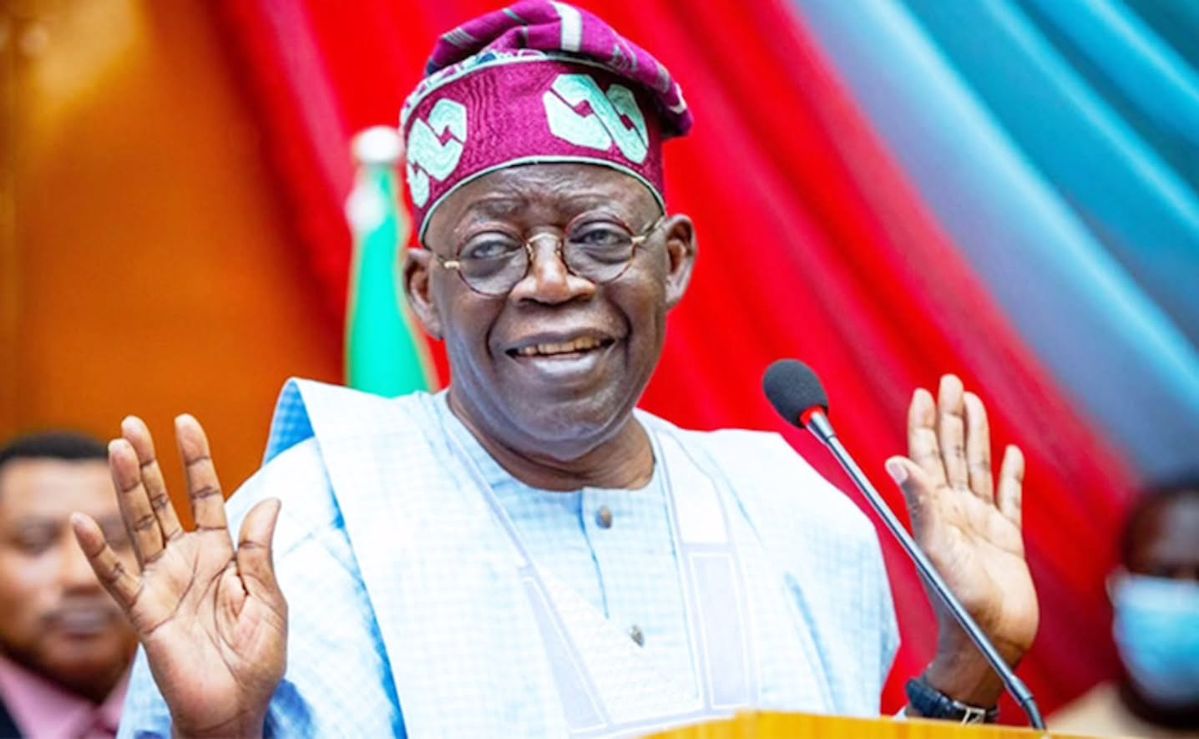

In Nigeria’s evolving political landscape, momentum often begins far from the national spotlight. In Abia State, a growing coalition known as the Abia City Boy Movement is quietly transforming into a force that could shape the contours of the 2027 presidential race. What started as a loosely organized network of supporters has matured into a coordinated grassroots effort rallying behind President Bola Ahmed Tinubu.
The movement draws its name from Tinubu’s widely recognized political identity, yet its appeal in Abia goes beyond branding. It reflects a strategic push to build bridges in a region historically distant from the president’s political base. Through town hall meetings, community outreach, and local engagement, organizers are framing their support not just as political loyalty, but as a pathway to inclusion in national development.
Observers note that this approach is significant. Abia, like much of the Southeast, has often felt sidelined in federal politics. By anchoring its message in economic opportunity and representation, the movement is attempting to reshape that narrative while positioning Tinubu as a unifying figure ahead of the next electoral cycle.
Strategic Messaging and Local Engagement
At the heart of the Abia City Boy Movement is a carefully calibrated message that blends national policy with local relevance. Organizers emphasize infrastructure development, business support, and youth empowerment as key areas where they believe Tinubu’s administration can deliver tangible benefits to the region.
This messaging is reinforced through consistent on-the-ground presence. Community leaders affiliated with the movement have been engaging traders, artisans, and young professionals in conversations about governance and economic participation. Rather than relying solely on traditional campaign rhetoric, the initiative leans heavily on dialogue, creating a sense of ownership among its supporters.
Political analysts suggest that this method reflects a broader shift in Nigerian politics, where voter engagement is becoming more decentralized and community-driven. In Abia, the movement’s ability to translate national policies into local expectations could prove crucial in sustaining interest and expanding its base over time.
Youth Mobilization and Digital Influence
A defining feature of the movement is its focus on younger demographics. With Nigeria’s youth population continuing to grow, political groups are increasingly recognizing the importance of digital platforms and peer-driven advocacy. The Abia City Boy Movement has embraced this reality, leveraging social media to amplify its message and connect with a new generation of voters.
Online campaigns, short-form videos, and interactive discussions have become central tools in its outreach strategy. These efforts are complemented by offline activities such as skill-building workshops and networking events, which reinforce the movement’s commitment to empowerment beyond politics.
This dual approach has allowed the group to maintain visibility while fostering deeper engagement. For many young participants, the movement represents both a political platform and a community space where ideas about leadership and progress can be exchanged. That sense of belonging may ultimately translate into long-term loyalty as the 2027 election draws closer.
Implications for the 2027 Political Landscape
While it is still early in the electoral cycle, the rise of the Abia City Boy Movement offers insight into how political alliances may evolve in the coming years. Its presence in the Southeast signals an effort to broaden Tinubu’s appeal beyond traditional strongholds, potentially reshaping voting patterns in a region known for its distinct political identity.
The movement also highlights the increasing importance of grassroots organization in national politics. Rather than relying solely on top-down campaign structures, successful strategies are likely to combine local engagement with broader messaging. In this context, Abia serves as a testing ground for what could become a replicable model in other states.
As Nigeria moves toward 2027, initiatives like this underscore the dynamic nature of political support. Whether the Abia City Boy Movement can sustain its momentum remains to be seen, but its early activities suggest a deliberate and calculated effort to influence the next chapter of the country’s leadership story.