

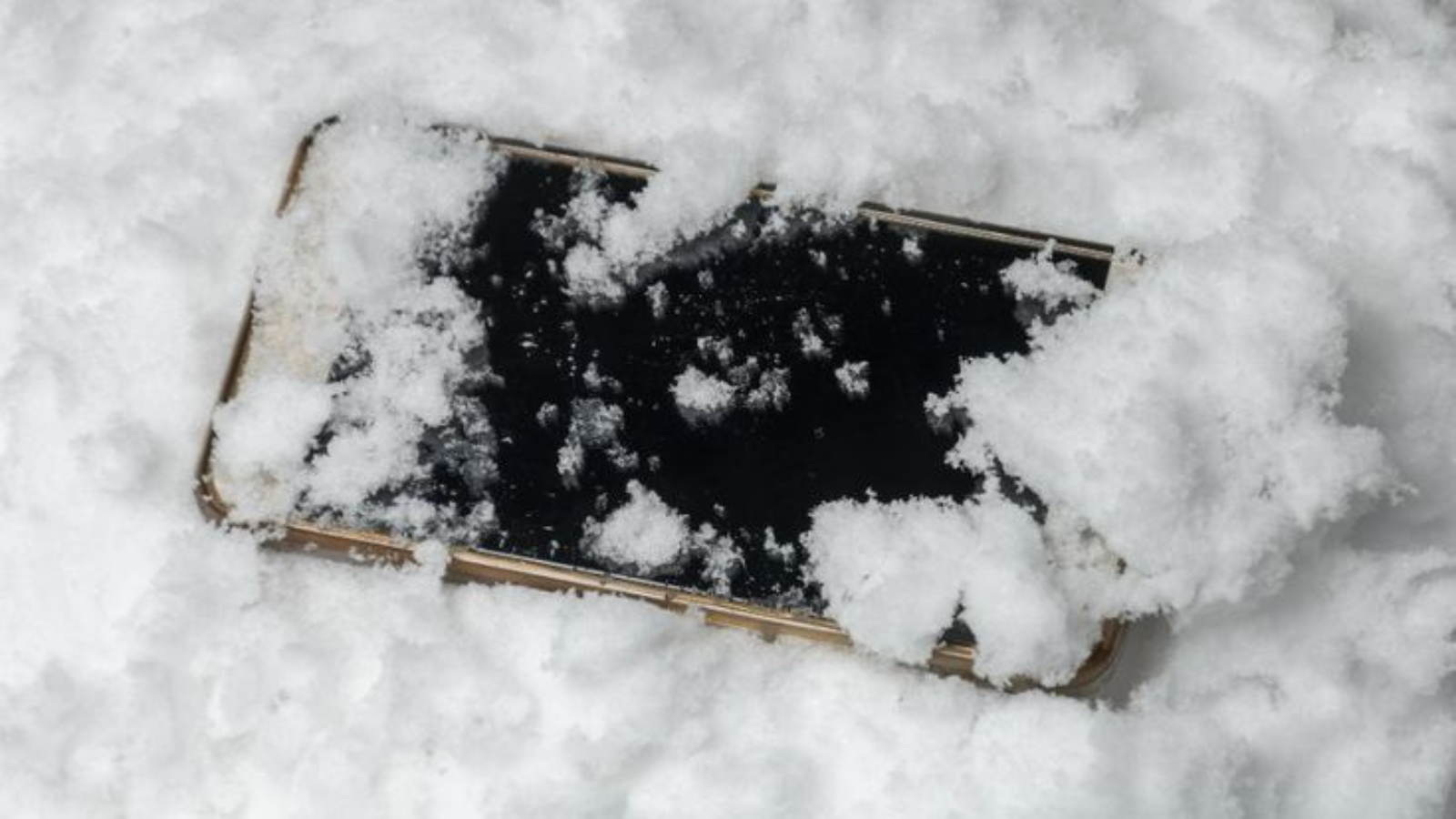

As winter tightens its grip across the UK, the picturesque blanket of snow often comes with a less visible inconvenience: disrupted mobile connectivity. While most people blame weak signal bars on network providers, the truth is more nuanced. Freezing temperatures can quietly interfere with both your phone’s hardware and the broader infrastructure that keeps you connected, affecting everything from calls to WhatsApp messages.
Understanding how extreme cold influences your device is becoming increasingly important, especially as reliance on instant communication grows. In snowy conditions, even a routine message can be delayed, distorted, or lost entirely, leaving users frustrated and, in some cases, disconnected when it matters most.
Why Cold Weather Weakens Your Signal
At the heart of the issue lies the sensitivity of radio frequencies to environmental conditions. Snow and ice can absorb and scatter signal waves, making it harder for your phone to maintain a stable connection with nearby cell towers. While modern networks are designed to withstand varied climates, heavy snowfall and dense cloud cover can still reduce signal strength, particularly in rural or elevated areas.
Infrastructure also plays a role. Ice accumulation on cell towers and physical damage caused by freezing winds can degrade network performance. Even in urban settings, where coverage is typically robust, temporary slowdowns can occur as networks struggle to maintain consistency during extreme weather conditions.
Inside your device, cold temperatures can interfere with antenna efficiency. Smartphones rely on finely tuned components, and when exposed to freezing air, these components may not operate at peak performance. The result is a noticeable dip in signal reception, even if the network itself is functioning normally.
The Silent Effect on WhatsApp and Data Services
For many users, the first sign of trouble appears not in dropped calls but in delayed messages. Apps like WhatsApp depend on stable data connections, and when signal strength fluctuates, messages can take longer to send or fail altogether. This is particularly evident when sending images, voice notes, or videos, which require stronger and more consistent bandwidth.
Cold weather also affects data speeds. Even if your phone shows a connection, reduced signal quality can slow down transmission rates. This creates a lag in real-time communication, making conversations feel fragmented and less reliable. In professional contexts, where timely responses are critical, these delays can become more than just an inconvenience.
Battery performance adds another layer of complexity. Lithium-ion batteries, which power most smartphones, are highly sensitive to temperature. In freezing conditions, battery capacity can drop rapidly, leading to sudden shutdowns or reduced device functionality. When your phone struggles to maintain power, it may limit background processes, including those needed for apps like WhatsApp to function smoothly.
Protecting Your Device in Freezing Conditions
Mitigating the effects of cold weather starts with simple but effective habits. Keeping your phone insulated is one of the easiest ways to preserve both battery life and signal performance. Carrying your device in an inner pocket, close to your body heat, can make a noticeable difference during prolonged exposure to the cold.
Using a protective case designed for insulation can also help maintain a stable internal temperature. While most cases are built for impact protection, some offer thermal benefits that shield your device from extreme conditions. These small adjustments can prevent sudden drops in performance when stepping outdoors.
Software awareness is equally important. Ensuring your phone’s operating system and apps are updated can improve efficiency and resilience. Many updates include optimizations for battery management and connectivity, which become particularly valuable in challenging environments. Switching to airplane mode briefly and reconnecting can also help reset unstable signals, offering a quick fix when connectivity falters.
Staying Connected When It Matters Most
As reliance on mobile communication continues to grow, the impact of environmental factors like snow becomes harder to ignore. What may seem like a minor seasonal inconvenience can disrupt both personal and professional interactions, especially in a world where instant connectivity is expected.
For those navigating the UK’s winter landscape, awareness is the first line of defense. Recognizing that your phone’s performance is influenced not just by network providers but also by the environment allows for smarter, more proactive use. Whether it is safeguarding your battery or managing expectations around connectivity, small adjustments can ensure you remain reachable even in the harshest conditions.
In the end, staying connected in freezing weather is less about fighting the elements and more about adapting to them. As snow continues to fall, understanding the unseen forces at play can make all the difference between frustration and seamless communication.