
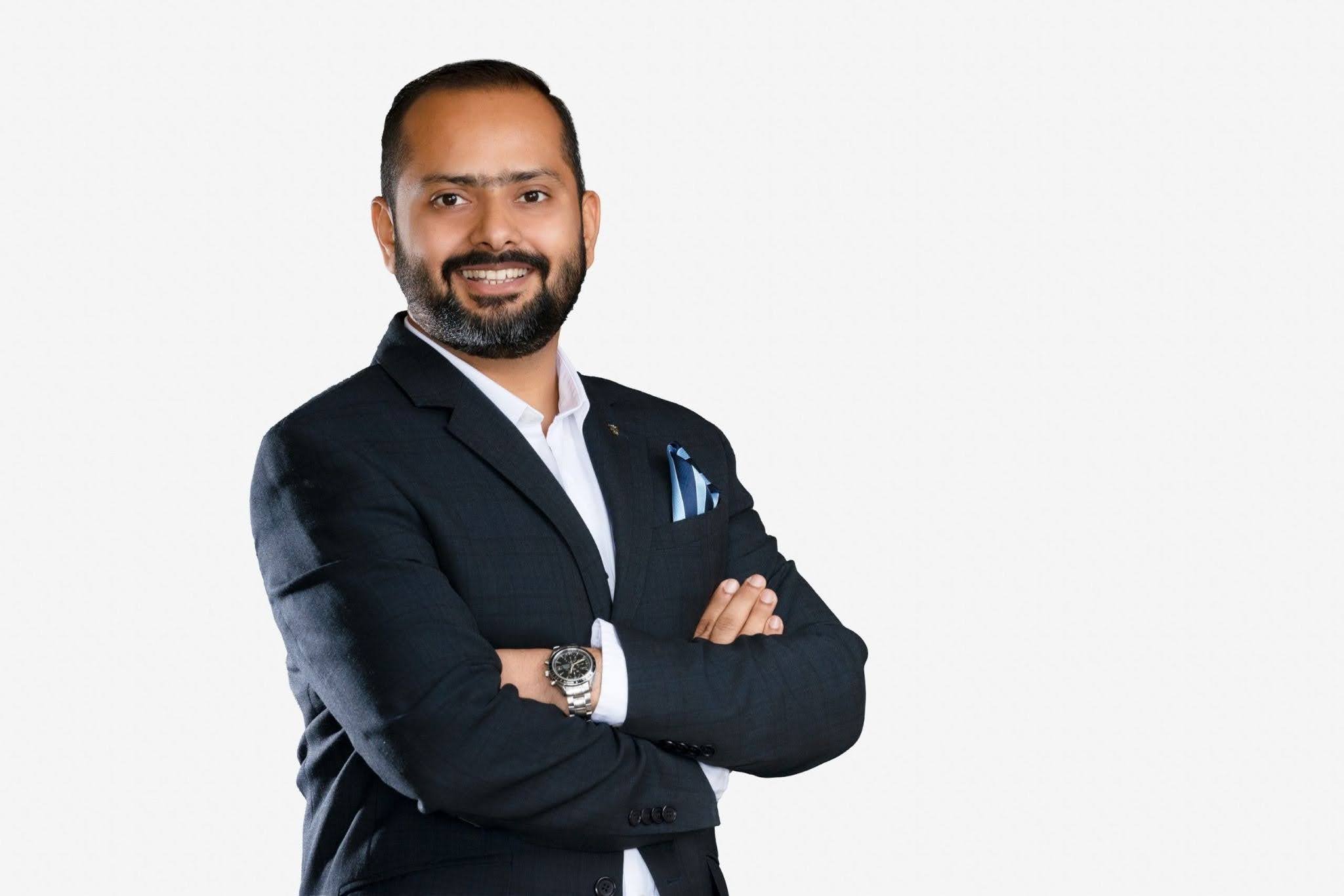

Most high-profile coaches build visibility through scale, public programs, and personal branding. Saurabh Kaushik has taken a different path. Over the past 16 years, the Gurugram-based business and life strategist has developed a private coaching practice focused on high-net-worth individuals, including founders, majority stakeholders, and senior decision-makers across India and international markets.
His model operates with limited public exposure. Rather than relying on testimonials or large-scale programs, Kaushik’s work is primarily referral-based, with clients typically introduced through professional and business networks.
A Deliberately Private Practice
Kaushik’s approach centers on one-to-one engagements with individuals responsible for major strategic decisions. These clients often operate businesses with complex governance structures, multi-generational ownership, and cross-border operations. In such environments, challenges tend to extend beyond traditional management concerns, encompassing decision-making pressure, succession planning, and long-term strategic alignment.
Unlike many coaching models that emphasize group sessions or standardized frameworks, Kaushik’s practice is structured around individualized advisory relationships. According to his stated approach, limiting the number of clients allows for deeper engagement and sustained focus on each case.
This format reflects a shift from his earlier work in broader business consulting toward a more concentrated advisory role. Over time, his practice narrowed to working directly with decision-makers rather than broader organizational teams.
Clarity as a Strategic Focus
Kaushik frames his work around the idea that, at senior levels of leadership, access to information is rarely the primary constraint. Instead, the challenge lies in interpretation, prioritization, and decision clarity.
His sessions are structured around long-term strategic thinking, leadership development, and alignment between business objectives and personal decision-making. Areas of focus may include succession readiness, governance structures, and maintaining consistency between long-term goals and short-term actions.
The outcomes of such engagements are not typically measured through immediate performance indicators but through longer-term organizational stability and decision coherence, according to his stated methodology.
Recognition and Professional Engagements
Kaushik’s work has been recognized through industry and institutional platforms. He has received awards from organizations such as Entrepreneur Magazine (2020) and the World HRD Congress (2022). He has also participated in international forums, including Expo 2020 Dubai, and has been associated with professional bodies such as CII, FICCI, ASSOCHAM, and the PHD Chamber of Commerce.
His professional exposure includes speaking engagements and collaborations connected to academic and executive education environments, with associations cited with institutions such as Harvard Business School, Cornell University, XLRI, and Babson.
Organizations including DLF Limited, Hindustan Unilever, The Oberoi Group, and Hyatt Corporation have been among those referenced in connection with his broader professional network and engagements.
A Different Model Within the Coaching Industry
The broader coaching industry has, over the past two decades, moved toward scalability, with large audiences, certification programs, and digital content becoming dominant formats. Kaushik’s model operates in contrast to this trend, emphasizing limited access and individualized advisory.
This positioning reflects a view that leadership challenges at the highest levels often require confidential, tailored discussions rather than standardized frameworks. His work focuses on supporting decision-makers in navigating complexity over extended time horizons, particularly in environments where business, governance, and personal considerations intersect.
Long-Term Orientation
Kaushik has described his long-term focus as supporting world leaders in building sustainable organizations while maintaining alignment across business performance, governance structures, and personal decision-making.
Whether this model gains broader adoption within the industry remains to be seen. For now, it represents a distinct approach within a field that continues to evolve between scale-driven visibility and more private, advisory-led practices.