

For decades, the Chagos Islands have stood as a quiet but potent symbol of colonial legacy, international law, and strategic military interests. Now, the United Kingdom appears ready to move toward transferring sovereignty of the Indian Ocean territory to Mauritius, a decision that reflects both mounting diplomatic pressure and shifting global attitudes toward decolonization. Officials at Downing Street have reaffirmed that negotiations are progressing, even as political voices abroad attempt to complicate the narrative.
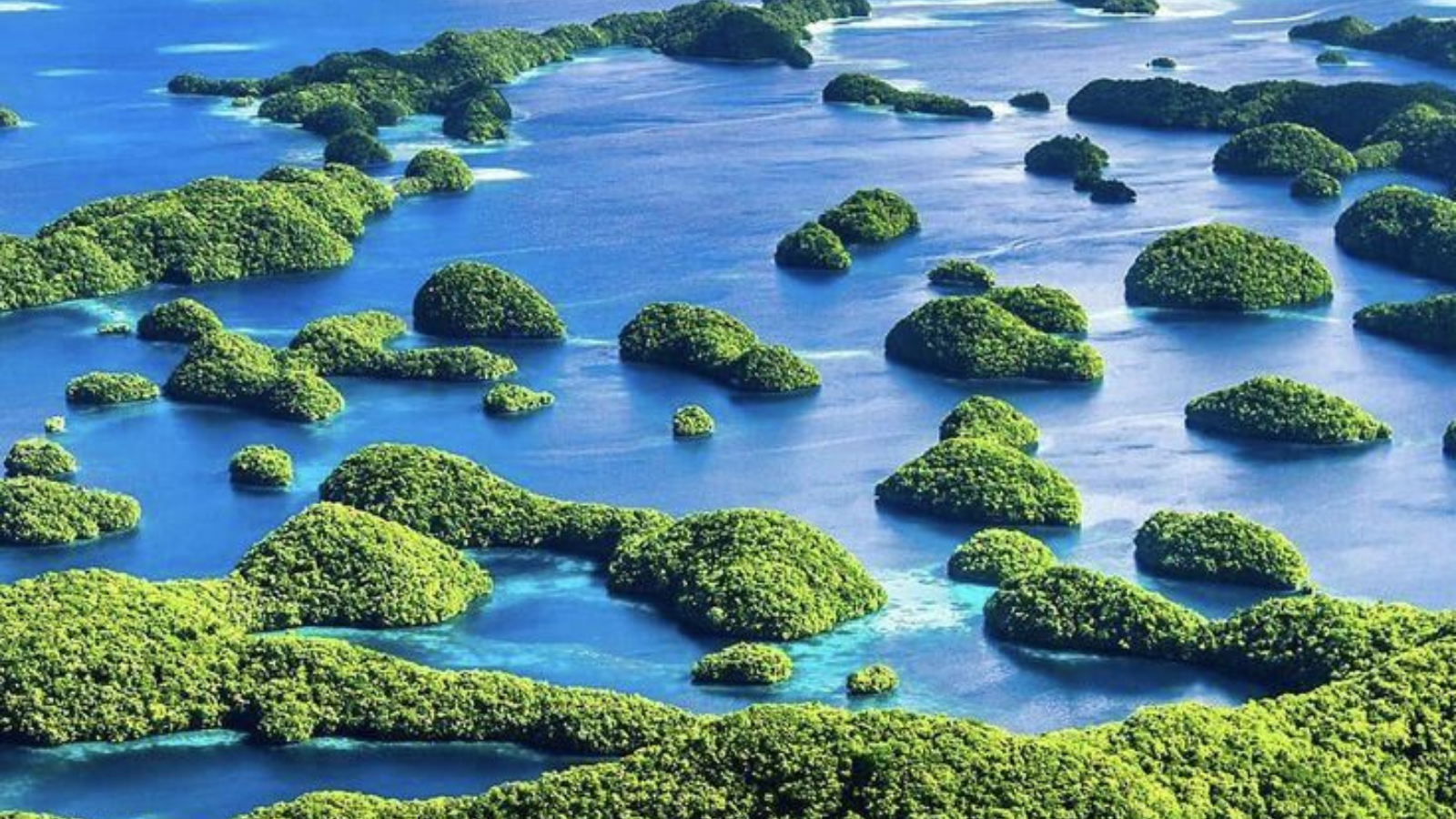
The Chagos Archipelago, home to the strategically vital Diego Garcia military base operated by the United States, has been under British control since 1965. Mauritius has long contested this arrangement, arguing that the islands were unlawfully separated prior to its independence. In recent years, international bodies including the United Nations and the International Court of Justice have backed Mauritius’ claim, urging the UK to relinquish control.
What was once a peripheral diplomatic issue has now become a focal point in Britain’s broader foreign policy recalibration. The government’s willingness to engage in meaningful talks signals recognition that historical disputes cannot remain indefinitely unresolved, particularly in an era where global scrutiny is intensifying.
Strategic Interests Meet Political Theater
Despite the UK’s stated intentions, the path forward is far from straightforward. The presence of the US military base on Diego Garcia introduces a layer of geopolitical complexity that extends beyond bilateral discussions. Any agreement would need to safeguard existing defense arrangements, a point both London and Washington have emphasized in recent communications.
Adding to the tension are external political commentaries, including pointed remarks from former US President Donald Trump, who criticized the potential handover. His intervention, though unofficial, reflects a broader skepticism among certain political circles about relinquishing strategic territories. However, UK officials have been quick to downplay such remarks, reiterating that the decision will be guided by legal obligations and diplomatic priorities rather than external political rhetoric.
Behind the scenes, negotiators are working to balance competing interests. Mauritius seeks full sovereignty and the right of return for displaced Chagossians, while the UK and US aim to preserve security infrastructure that plays a critical role in Indo-Pacific operations. The outcome will likely hinge on creative diplomacy that allows both objectives to coexist.
The Human Dimension of Sovereignty
Beyond geopolitics, the Chagos issue carries a deeply human story. Thousands of Chagossians were forcibly removed from their homeland in the late 1960s and early 1970s to make way for the military base. Many were resettled in Mauritius, the Seychelles, and the UK, where they have spent decades campaigning for the right to return.
For these communities, the potential transfer represents more than a diplomatic milestone. It is a chance for recognition, restitution, and, possibly, reconnection with a lost homeland. Advocacy groups have cautiously welcomed the UK’s renewed engagement with Mauritius but remain vigilant about how any agreement will address resettlement and compensation.
The British government has previously faced criticism for its handling of the Chagossian displacement, including legal challenges in UK courts. A comprehensive settlement would need to confront this legacy directly, ensuring that historical injustices are not overshadowed by strategic considerations.
A Defining Moment for Britain’s Global Role
The decision to move forward with the Chagos transfer could mark a defining moment in how the UK positions itself on the global stage. As debates around colonial history and international accountability gain traction, Britain’s actions in this case will be closely watched by allies and critics alike.
There is also a broader narrative at play about the evolution of power and responsibility. By engaging with Mauritius and acknowledging international rulings, the UK has an opportunity to demonstrate a commitment to rules-based order. At the same time, it must navigate domestic political sensitivities and ensure that national security interests remain intact.
Ultimately, the Chagos negotiations are about more than territory. They encapsulate questions of justice, sovereignty, and the enduring impact of historical decisions. As talks continue, the world will be watching not just for the outcome, but for what it reveals about the future direction of British diplomacy.