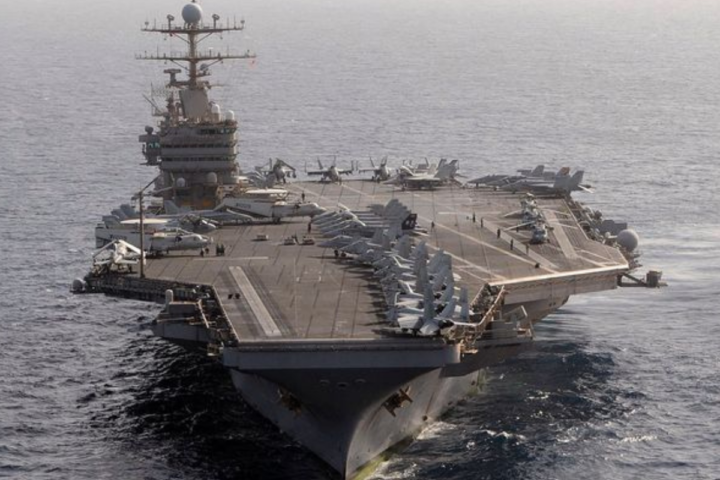

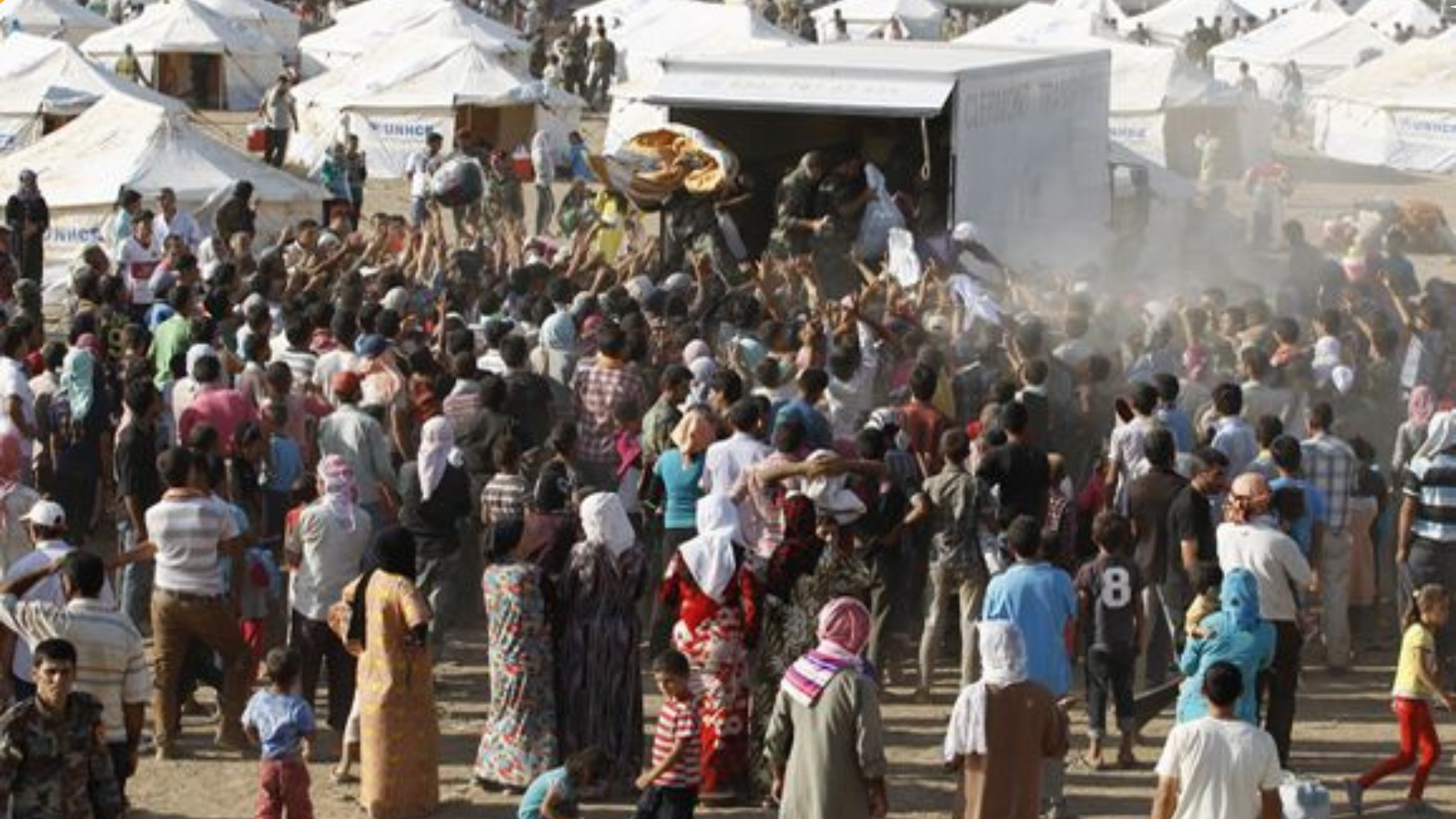

The recent airstrikes carried out by the United States and its allies in Syria mark a decisive response to a deadly attack that claimed the lives of three American service members. The operation, conducted with precision and urgency, targeted Islamic State strongholds believed to be directly linked to the assault. Officials described the strikes as both retaliatory and preventative, aimed at disrupting imminent threats while sending a clear message about the consequences of targeting coalition personnel.
The incident that prompted the response occurred in a volatile region of northeastern Syria, where remnants of ISIS continue to operate in fragmented but dangerous cells. While the group has long lost its territorial stronghold, its ability to execute coordinated attacks remains a persistent concern. Military analysts suggest that this latest escalation underscores the enduring challenge of countering a decentralized insurgency that thrives in instability.
The Enduring Shadow of ISIS
Despite years of international efforts to dismantle the Islamic State, the group has demonstrated a troubling capacity for adaptation. Rather than relying on centralized leadership, ISIS now operates through loosely connected networks that exploit local vulnerabilities. This evolution has made detection and prevention significantly more complex, particularly in regions where governance is weak and security infrastructure is limited.
The recent attack highlights how ISIS continues to leverage asymmetrical tactics, striking targets that carry both symbolic and strategic weight. American personnel, often stationed in advisory or support roles, remain high-value targets due to their visibility and geopolitical significance. Experts note that these attacks are designed not only to inflict casualties but also to project resilience and relevance on the global stage.
Coalition Unity and Strategic Messaging
In the aftermath of the attack, the swift coordination among coalition forces signals a unified stance against extremist threats. Allied nations contributed intelligence, logistical support, and in some cases, direct operational involvement. This collective response reinforces the framework of international cooperation that has been central to counterterrorism efforts in the region.
Beyond the immediate military objectives, the strikes also serve a broader strategic purpose. By responding decisively, the coalition aims to deter future attacks and reassure both domestic and international audiences of its commitment to security. At the same time, officials have emphasized that such actions are carefully calibrated to avoid civilian casualties and unintended escalation, reflecting the delicate balance required in modern conflict zones.
Regional Implications and Ongoing Risks
The strikes are likely to have ripple effects across the region, where geopolitical tensions remain high and alliances are often fluid. Syria continues to be a complex theater involving multiple actors with competing interests, including regional powers and non-state groups. Any military action carries the risk of unintended consequences, particularly in areas where lines of control are अस्पष्ट and rapidly shifting.
For local populations, the renewed focus on military operations brings both hope and चिंता. While many view the targeting of ISIS as necessary, there is also concern about the potential for collateral damage and prolonged instability. Humanitarian organizations have called for increased attention to civilian protection and post-conflict recovery, emphasizing that military solutions alone cannot address the root causes of extremism.
As the situation evolves, the international community faces a familiar yet unresolved challenge. The fight against ISIS is no longer defined by large-scale battles, but by a persistent effort to contain and dismantle a network that continues to adapt. The latest strikes serve as a reminder that even in its diminished state, the group remains a potent threat requiring sustained vigilance and coordinated action.