
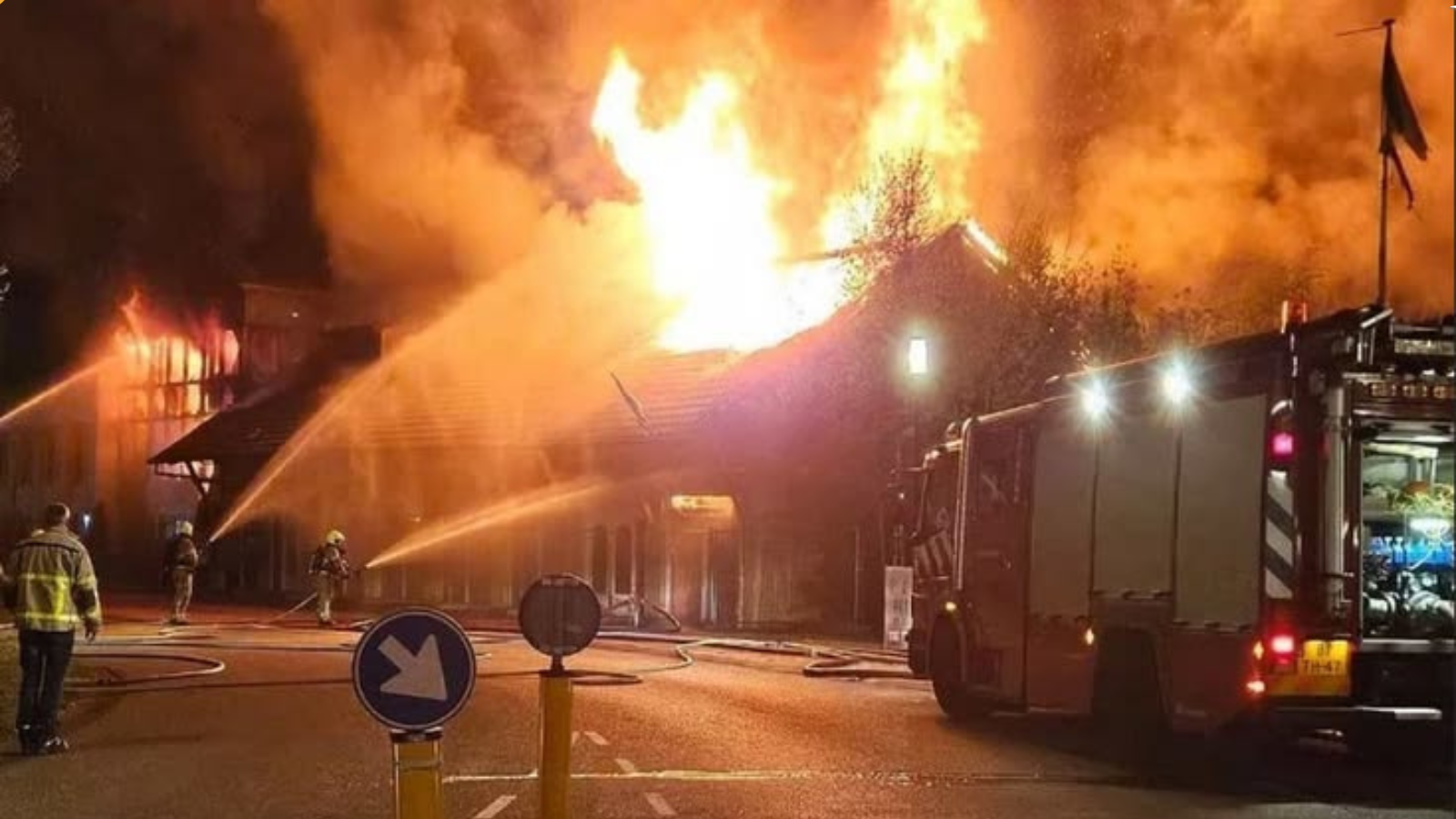

The alpine resort town of Crans-Montana is more accustomed to hosting skiers and summer tourists than confronting tragedy. Yet in the early hours of a crowded weekend night, a fire tore through a popular local bar, leaving 40 people dead and dozens more injured. What began as a lively gathering quickly descended into chaos as flames spread rapidly through the venue, trapping patrons inside.
Witnesses described scenes of confusion and desperation. Music abruptly stopped as smoke filled the room, and visibility dropped within seconds. Survivors later recounted how people scrambled toward exits, only to encounter bottlenecks that slowed their escape. Emergency responders arrived swiftly, but by then, the scale of the disaster had already unfolded.
Authorities have since launched an extensive investigation into the fire’s origin and the circumstances that contributed to its deadly toll. Among the most troubling revelations is the condition of a service door that could have provided an additional escape route.
The Contested Exit
Central to the ongoing inquiry is a service door located at the rear of the establishment. According to the bar’s owner, the door was locked from the inside at the time of the fire, a measure he claims was intended to prevent unauthorized access and theft. However, this detail has become a focal point of scrutiny, raising questions about compliance with safety regulations and emergency preparedness.
Fire safety experts note that secondary exits are critical in high-capacity venues, particularly in enclosed spaces where fires can spread unpredictably. A locked exit, even if intended for security purposes, can significantly hinder evacuation efforts. Investigators are now working to determine whether the door’s condition violated local building codes or fire safety standards.
The owner has expressed shock and grief over the incident, emphasizing that safety protocols were believed to be in place. Still, for many families affected by the tragedy, the explanation offers little comfort as they seek accountability and answers.
Survivors Recall Moments of Panic
For those who made it out alive, the memory of the night remains vivid and unsettling. Several survivors described how the main entrance quickly became overcrowded as patrons rushed toward it. In the absence of accessible alternative exits, panic intensified, and movement slowed to a near standstill.
One survivor recounted being pushed toward a side corridor, only to find the service door unresponsive. Others spoke of helping friends and strangers alike, forming chains to guide people through smoke-filled rooms. These accounts highlight both the human instinct to help and the devastating consequences when escape routes are limited.
Medical teams continue to treat those injured, many of whom suffered from smoke inhalation and burns. Psychological support services have also been mobilized, as the emotional toll of the event reverberates through survivors and the broader community.
A Broader Conversation on Safety
The Crans-Montana tragedy has sparked renewed debate about safety standards in nightlife venues, not only in Switzerland but across similar destinations worldwide. Regulators and industry professionals are revisiting existing guidelines, particularly regarding emergency exits, occupancy limits, and staff training.
Public officials have called for a thorough review of inspection processes to ensure that venues adhere strictly to safety requirements. In the wake of the fire, some establishments have already begun conducting internal audits, aiming to reassure patrons and prevent similar incidents.
Beyond regulatory measures, the incident has underscored the importance of cultivating a culture of safety within the hospitality industry. Owners and operators are being urged to balance security concerns with the imperative of ensuring unobstructed evacuation routes at all times.
As investigations continue, the focus remains on understanding how such a tragedy could occur and what steps can be taken to prevent its recurrence. For Crans-Montana, a town known for its scenic beauty and vibrant social life, the road to recovery will be long, marked by remembrance and a collective push toward safer practices.