
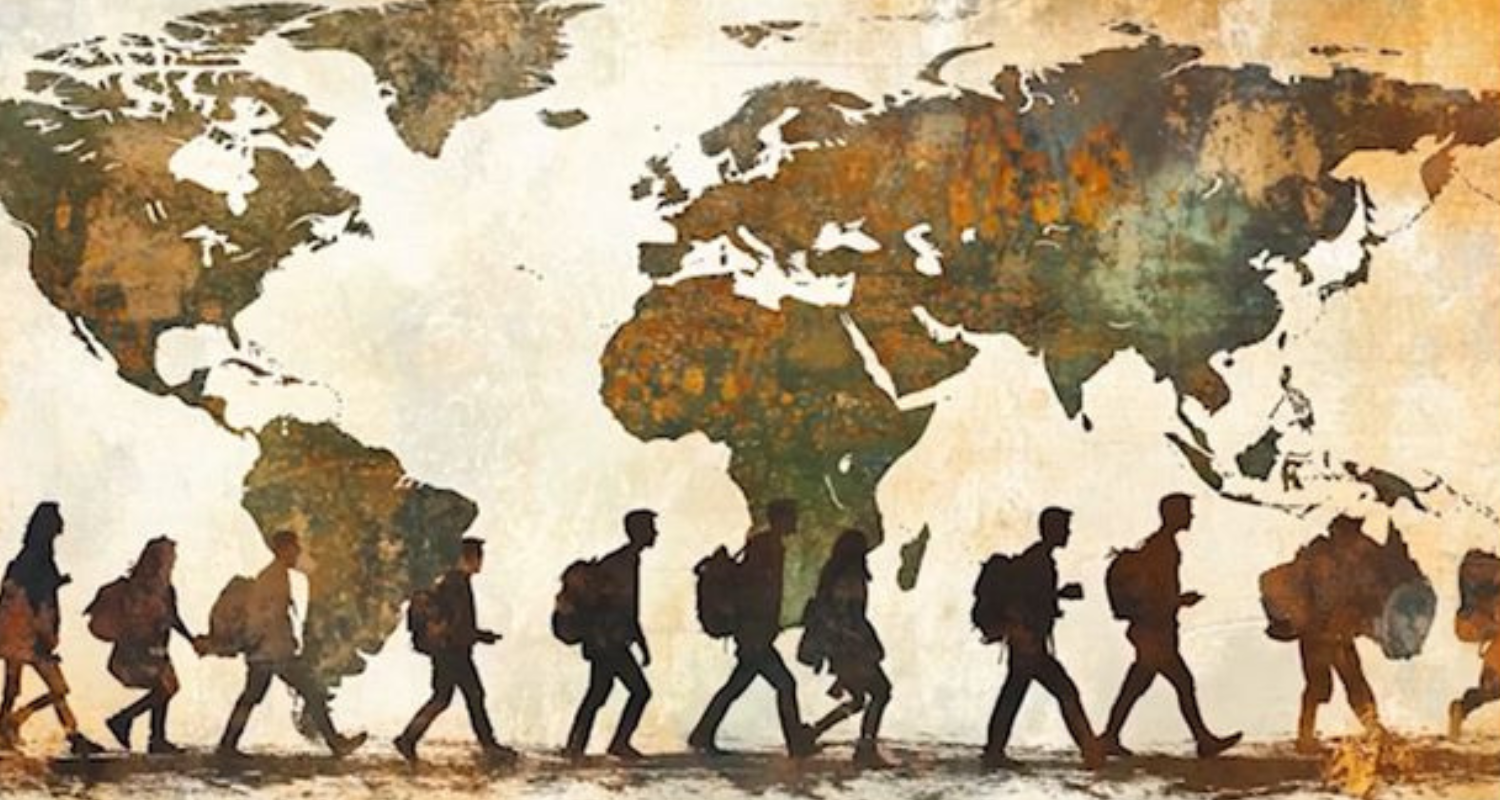

There is a familiar image of the border: a hard line on a map, a checkpoint beneath fluorescent lights, a fence cutting across a horizon. Yet for most of human history, movement came before the line. People followed water, seasons, work, safety, love, and the persistent belief that a better life might exist beyond the visible edge of home.
To cross a border is often described in administrative language. It becomes a matter of visas, passports, applications, arrivals, and departures. But behind every stamp and document is a far older human instinct: the decision to step into the unknown. Migration has never been only about geography. It has been a force that has shaped cities, families, economies, languages, and the stories societies tell about themselves.
Before Borders Had Names
Long before modern nations drew their boundaries, human communities moved across landscapes with little regard for the lines that would later define them. Early migrations were acts of endurance and imagination. Families traveled through deserts, forests, coastlines, and mountain passages, carrying not only food and tools but customs, beliefs, songs, and fragments of language.
Those journeys gradually changed the world. As communities settled in new places, they exchanged knowledge with those already there. Agricultural practices evolved, trade routes widened, and cultural traditions intertwined. The human story became one of adaptation, not isolation. Every society that now calls itself ancient was once shaped by arrivals.
Even today, that legacy is visible in ordinary life. The food served at a family table may have roots in another continent. A neighborhood’s language may carry echoes of a distant homeland. A city’s character may have been built by generations who arrived with unfamiliar accents and an urgent determination to belong. Borders may define states, but movement has consistently defined civilization.
The Journey Behind the Statistic
Modern discussions about migration can become dominated by numbers. Governments count entries, exits, asylum applications, remittances, and labor shortages. These figures are important, but they do not capture the emotional weight of departure. A person crossing a border is rarely leaving only a place. They are often leaving routines, relatives, familiar streets, and a version of themselves understood without explanation.
For some, the journey begins with opportunity. A nurse travels abroad to support children at home. A student enrolls in a university thousands of miles away, hoping education will open a different future. An entrepreneur leaves a small town with a business idea that could not grow within local limits. For others, crossing is less a choice than a necessity, driven by conflict, persecution, disaster, or economic collapse.
What unites these experiences is not a single political identity but a deeply personal calculation. People weigh fear against possibility. They decide whether the risk of leaving is greater than the cost of staying. In that moment, the border becomes more than a legal boundary. It becomes a threshold between the life one has known and the life one hopes to build.
Cities Built by Arrival
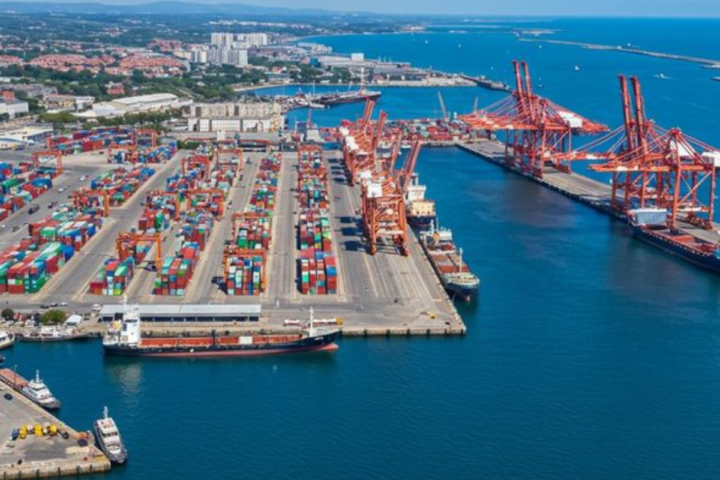
The world’s most dynamic cities have often been shaped by newcomers. Ports, capitals, industrial centers, and digital hubs all carry the imprint of people who arrived with skills, ambition, and a need to create stability. Their contributions may begin quietly, in kitchens, construction sites, classrooms, clinics, laboratories, and family-owned shops. Over time, those efforts become part of the social and economic architecture of a place.
Migration also brings a distinctive form of resilience. Those who begin again in unfamiliar environments often become bridge-builders between cultures. They maintain ties to their origins while learning the codes of their new communities. Their homes can become places where multiple histories coexist, where one generation remembers a homeland directly and another knows it through stories, recipes, photographs, and video calls.
The result is not the erasure of identity but its expansion. A person can belong to a city while carrying the memory of another. A child can inherit more than one language without being divided by either. In an increasingly connected world, this layered sense of belonging may be one of the most modern expressions of humanity.
A Future Defined by Connection
The question facing societies is not whether people will continue to cross borders. They will. Climate pressures, conflict, education, trade, family reunification, and global work will ensure that movement remains part of the human condition. The more urgent question is whether nations can respond with both realism and humanity.
Borders serve practical purposes. Countries need systems that manage security, labor, public services, and legal responsibilities. But policy becomes incomplete when it loses sight of the individual lives at its center. A border can be regulated without turning compassion into weakness. It can protect a nation while recognizing that dignity should not disappear at a checkpoint.
Humanity crossed borders long before borders became symbols of division. It did so in search of survival, discovery, and belonging. That impulse remains alive in every departure lounge, every crowded bus terminal, every refugee camp, and every new apartment where someone begins arranging a life from scratch. The lines on the map may endure, but so will the human desire to move beyond them.