
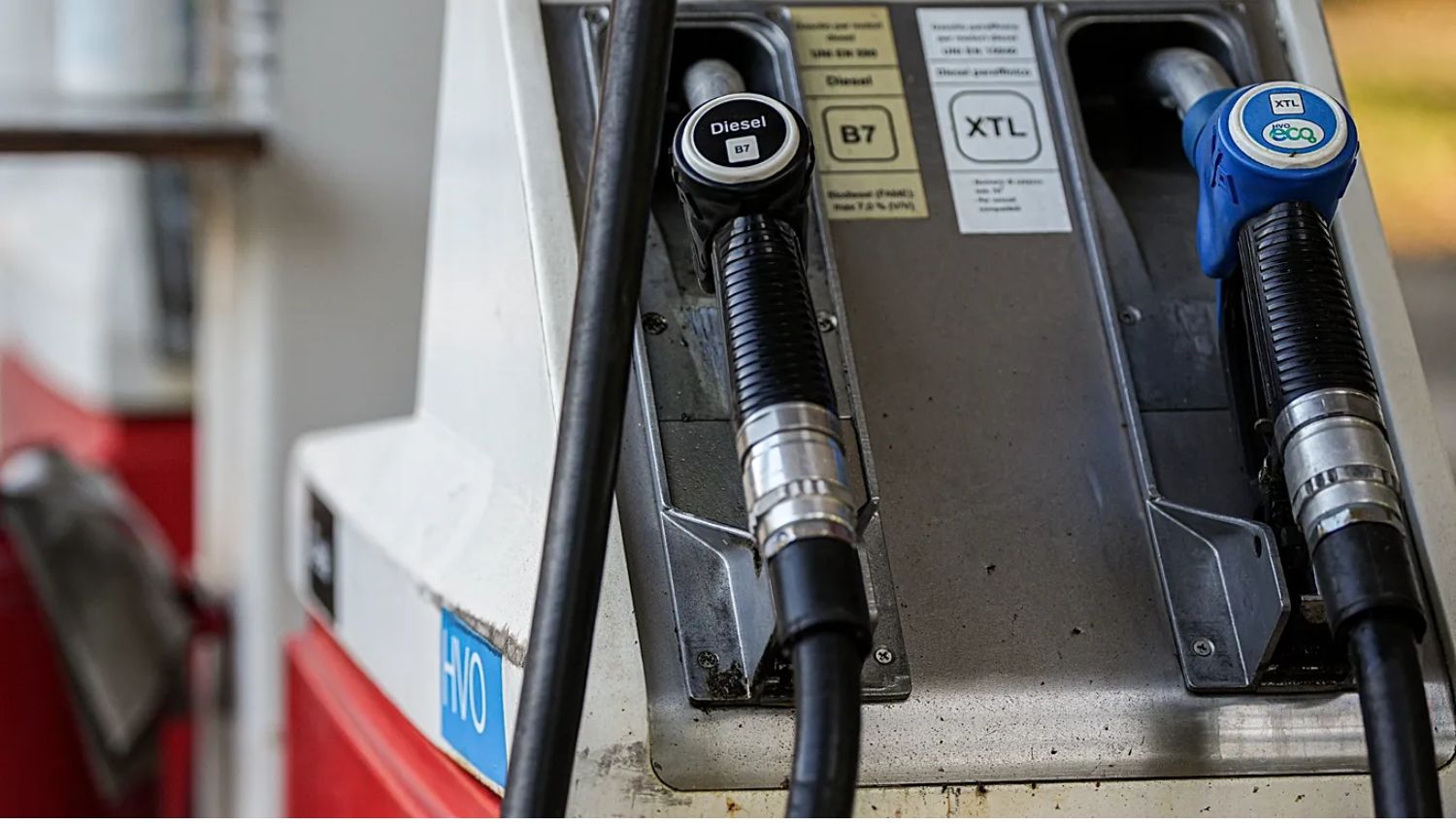
Fuel costs are once again dominating the debate in Italy, with prices in Milan and along the country’s motorways pushing above €2.60 a litre. Opposition parties and consumer groups are warning of the strain on households and businesses, while Prime Minister Giorgia Meloni’s government drafts measures to contain the crisis.
On Saturday, a filling station in central Milan recorded a price of €2.6 per litre for petrol. As opposition leaders accuse the government of failing to prevent a fresh economic squeeze, Meloni and Adolfo Urso, the minister for business and Made in Italy, are working on new steps to keep prices in check.
Prices have been rising since 3 July, when the government’s excise duty cut, introduced at the start of the war between the United States and Iran to ease the price emergency, expired. According to the latest figures from the Fuel Price Observatory, the average self-service price on the national road network stands at €1.981 per litre for petrol and €2.184 for diesel. On the motorway network, self-service averages reach €2.071 for petrol and €2.255 for diesel.
At the pump, however, the reality is often far steeper. Local sources reported diesel above €2.7 per litre and petrol over €2.5 on Saturday along routes including the A21 Turin-Piacenza, the A4 Venice-Trieste, the A22 Brenner-Modena, and the Milan-Brescia and Messina-Palermo corridors. In Rome, several stations reached €2.3 per litre for petrol.
Consumer Groups Sound the Alarm
Consumer organisations have added their warnings. The watchdog Codacons estimates that Italians’ fuel spending will reach €10.8 billion this year, nearly €2 billion more than in 2025.
“The comparison with last year is merciless,” Codacons said in a statement, noting that with consumption unchanged, Italians would spend some €841 million more on petrol and diesel by the end of the month than in the same period a year earlier.
The research office of the Cgia di Mestre, meanwhile, estimates that households and businesses will face nearly €29 billion in extra costs for electricity, gas and fuel in 2026. Petrol and diesel account for the biggest share of that jump, with additional spending of €13.6 billion, a rise of 20.4 percent on 2025.
Government Weighs Options as Opposition Attacks
The government is examining ways to soften the blow, including a variable excise duty mechanism that would let prices fall in step with the higher VAT revenue collected as pump prices climb. Activating the system first requires the Economy Ministry’s calculations on the month’s surplus VAT, which will not be available until the following week and will determine the size of any possible cut. The surplus could be used to offset a reduction in excise duty, though further measures would need additional funding.
Urso also defended the government’s record against accusations of profiteering, arguing that Italy’s model of price control is being copied by other countries and has kept fuel prices rising more slowly than elsewhere.
The opposition is demanding bolder action. “Meloni should now at least accept our proposal on variable excise duties, which would allow the price of petrol and diesel to be cut immediately,” said Democratic Party secretary Elly Schlein, pointing out that those who once promised to abolish excise duties altogether can hardly object to the measure now.
Five Star Movement leader Giuseppe Conte was equally pointed, calling for urgent and substantial intervention. Writing on social media, he asked when the government would start drawing resources from the windfall profits of banks, energy giants and the arms industry, and from the state’s own extra takings generated by rising prices and heavy defence spending. He urged Rome to press Europe for major investment in an industrial and energy relaunch strategy, comparable to the pandemic-era recovery plan, arguing that families and businesses need immediate relief.