

The world’s population of high-net-worth individuals grew by almost two million in 2025, and their combined fortune rose 8.7 percent to a record $98.3 trillion (€86.2 trillion), the biggest annual jump since 2018, according to Capgemini’s World Wealth Report. The global count climbed 7.9 percent to 25.3 million people, but the more interesting question for most Europeans is what sits behind those numbers, whether the continent is sharing in the boom, and whether a swelling class of the very rich does anything for the wider economy.
What Counts as a High-Net-Worth Individual?
The basic threshold is straightforward: investable assets of more than a million dollars, not counting the value of one’s home. Beyond that entry point, the report sorts the wealthy into tiers. Those with $1 million to $5 million are described as the millionaire next door. Between $5 million and $30 million sit the mid-tier millionaires. Above $30 million are the ultra-high-net-worth individuals, a rare group that makes up just 1 percent of the population yet holds 34.8 percent of the world’s total wealth.
Are Europe’s Millionaires Getting Richer?
In short, yes. Capgemini estimates Europe is home to around six million high-net-worth individuals, roughly a 6.5 percent increase, and their collective wealth is rising sharply. Growth in the region rebounded from just 0.7 percent in 2024 to 8.0 percent in 2025.
That gain, though, is far from evenly distributed. Luxembourg was among the highest-growth markets, with its millionaire population expanding 13.5 percent, a result that owes much to low effective tax rates, generous exemptions on investment income and the absence of a wealth tax. Germany saw its high-net-worth population grow 11.1 percent and Belgium 9 percent, while France and the United Kingdom recorded more modest gains of 2.7 and 2.6 percent respectively.
What Are the Super Rich Doing With Their Money?
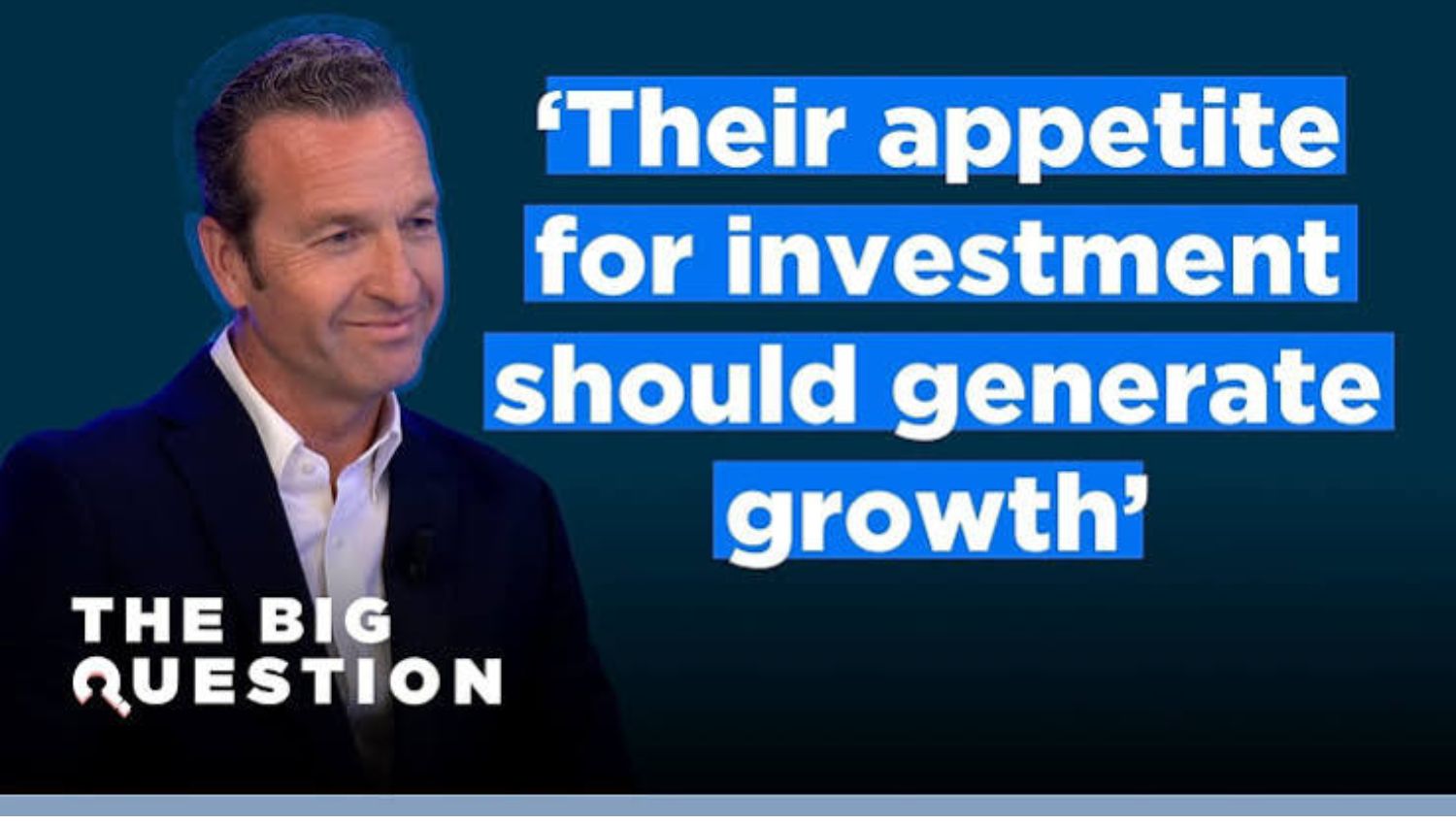
As both the number of wealthy people and the size of their fortunes grow, so does the way they deploy their capital. Gareth Wilson, executive vice-president at Capgemini, said the report shows a clear shift toward equities and fixed-income assets and away from cash. That matters, he explained, because cash is usually seen as a conservative holding, and the move into higher-return, and potentially higher-risk, stocks and shares signals a greater appetite for investment.
That appetite, he argued, is not something the rest of the economy should fear. Their willingness to invest tends to generate growth and economic value worldwide, a dynamic reflected in how some stock markets have performed.
Sectors near the top of Europe’s agenda, such as defence and energy, have seen their fortunes lift and have buoyed equity markets. Germany’s DAX index climbed nearly 22 percent, helped by companies like Rheinmetall and Siemens Energy, while mining and defence contributed to a 21.5 percent rise in the UK’s FTSE 100 over 2025.
Wilson credited the European Central Bank’s handling of interest rates with creating enough stability to encourage investment, alongside a strong focus on innovation. Sectors such as defence, expanding for their own particular reasons, are generating growth in local economies, lifting equity performance and ultimately feeding the rise in high-net-worth wealth.