
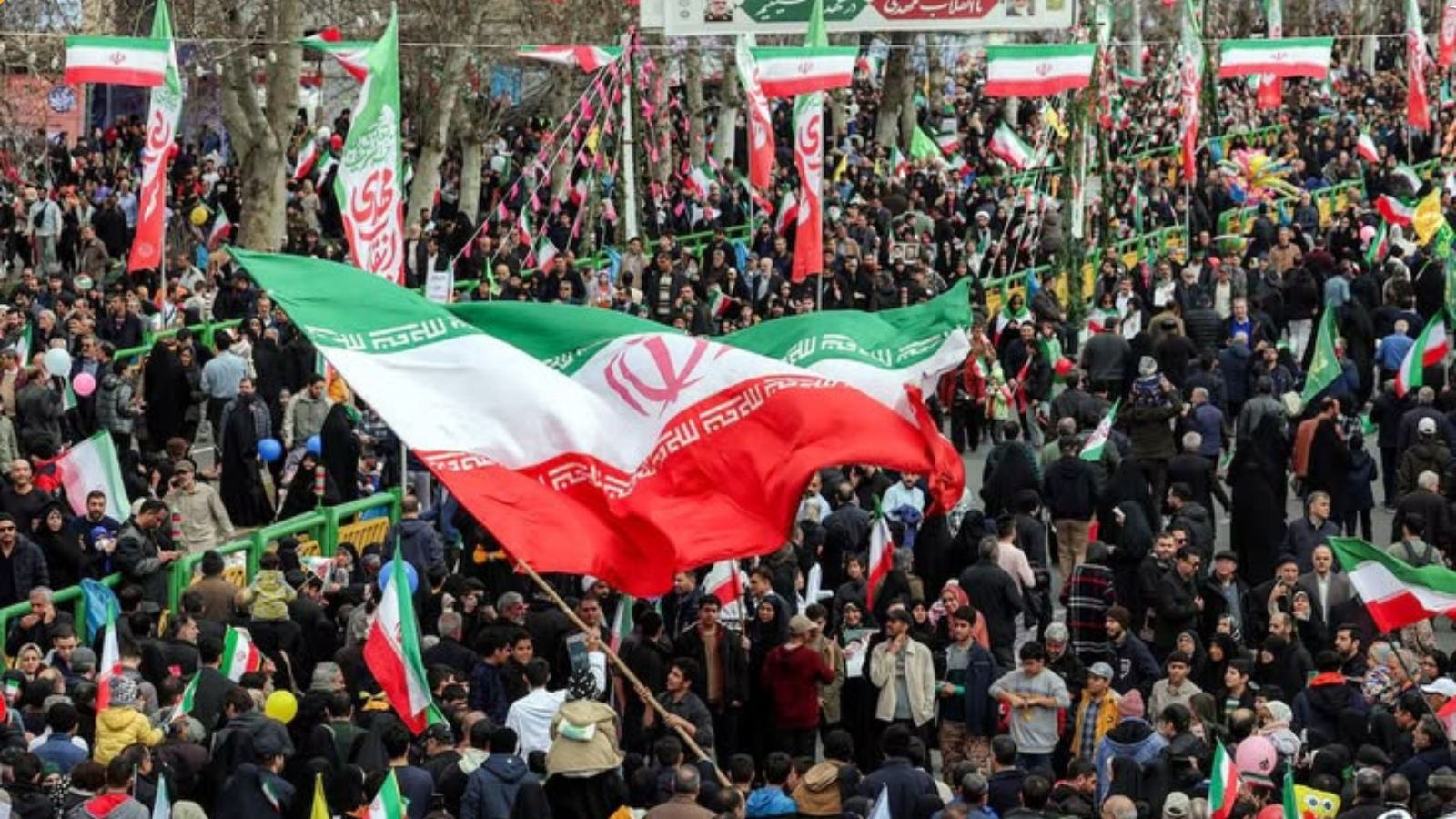

The streets of several Iranian cities have once again become stages for public dissent, as fresh waves of protests signal a resurgence of civil unrest. What began as localized demonstrations has quickly expanded, drawing attention both domestically and internationally. Observers note that the current protests carry echoes of previous movements, yet are shaped by evolving economic pressures and shifting public sentiment.
In Tehran and beyond, citizens have gathered in defiance of tightening conditions, voicing frustrations that span from economic hardship to broader concerns about governance. While protests in Iran are not new, the persistence and spread of these demonstrations suggest a deeper undercurrent of dissatisfaction. The atmosphere remains tense, with security forces maintaining a visible presence in key urban centers.
Leadership Signals a Hardline Approach
Amid the growing unrest, Iran’s supreme leadership has indicated that a more assertive response may be imminent. Statements from high-ranking officials emphasize the need to maintain order and stability, framing the protests as threats to national cohesion. Such rhetoric has historically preceded intensified enforcement measures, raising concerns among human rights observers.
Government messaging has also focused on attributing unrest to external influences, a narrative that has long been part of the state’s response to dissent. This framing seeks to consolidate internal support while justifying potential crackdowns. For many Iranians, however, the grievances expressed in the streets are rooted in lived realities rather than external interference.
The prospect of a stronger crackdown has introduced an additional layer of uncertainty. Citizens and analysts alike are watching closely to see how authorities balance enforcement with the risk of further inflaming public sentiment. The coming days are likely to be critical in determining the trajectory of the current unrest.
Voices From the Ground
Despite the risks, many protesters continue to take to the streets, driven by a sense of urgency and limited avenues for expression. Accounts emerging from within Iran describe gatherings that are both spontaneous and organized, reflecting a complex social dynamic. Younger generations, in particular, appear to play a prominent role, leveraging digital tools to coordinate and share information.
These voices offer a window into the motivations behind the protests. Economic challenges, including inflation and unemployment, remain central concerns, but they are intertwined with broader aspirations for change. The protests are not monolithic, and participants bring diverse perspectives, yet they share a common desire to be heard.
At the same time, the risks associated with participation remain high. Reports of arrests and increased surveillance underscore the stakes involved. For many, the decision to protest is not taken lightly, but reflects a calculation that the potential for change outweighs the dangers.
Global Attention and Regional Implications
The unfolding situation in Iran has not gone unnoticed on the global stage. Governments and international organizations are monitoring developments closely, with some issuing statements urging restraint and respect for human rights. The response from the international community may influence how events evolve, though Iran has historically resisted external pressure.
Regionally, the protests carry implications that extend beyond Iran’s borders. As a key player in Middle Eastern geopolitics, internal instability can have ripple effects, shaping diplomatic dynamics and security considerations. Analysts are particularly attentive to how the government’s response might impact its relationships with neighboring countries and global partners.
For now, the situation remains fluid. The interplay between public dissent and state response continues to unfold in real time, with each development adding complexity to an already intricate landscape. What is clear is that the current wave of protests reflects deeper societal currents that are unlikely to dissipate quickly.