
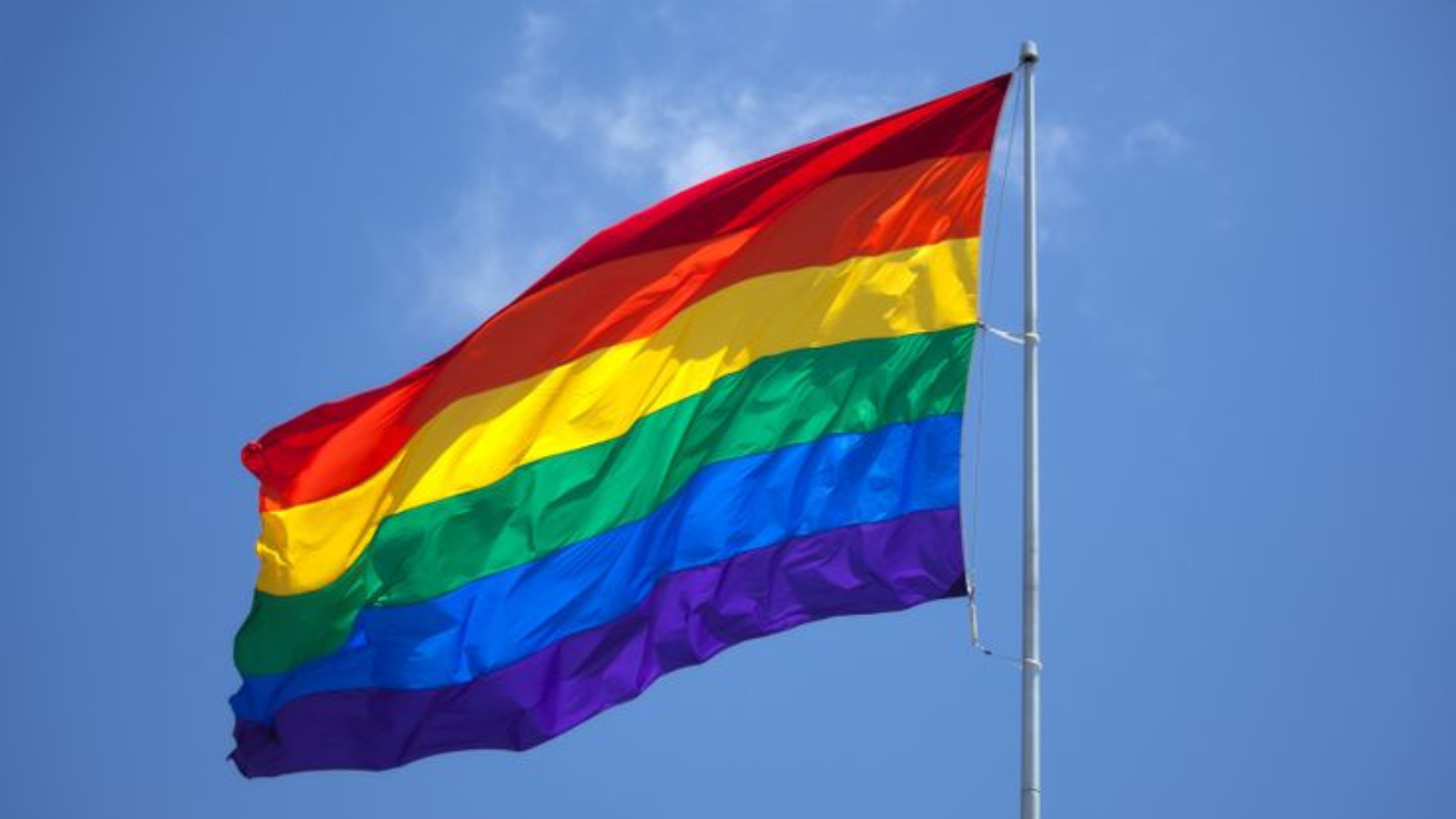

A small change at a small park in Manhattan set off an outsized reaction this week, after the Trump administration stopped flying a rainbow flag at Stonewall National Monument. For many LGBTQ+ advocates, the removal read less like routine housekeeping and more like a pointed gesture at a place built to honor the roots of the modern movement.
The multicolored flag had been flying from a pole on the National Park Service-run property, which centers on a pocket of green in Greenwich Village. Across the street sits the Stonewall Inn, the bar where patrons’ uprising against a police raid helped ignite what became the modern LGBTQ+ rights movement. In recent days, the rainbow flag was taken down without fanfare, leaving activists to fill in the meaning themselves.
Park Service cites uniform policy, critics see a message
The Park Service said the decision followed guidance intended to standardize a long-standing approach to flag displays. In a memo dated Jan. 21, the agency largely limited what it flies to the U.S. flag, the Department of the Interior flag, and the POW/MIA flag, framing the change as consistent application rather than a Stonewall-specific call.
But that explanation did little to settle the reaction among LGBTQ+ rights advocates who have long treated visibility at Stonewall as inseparable from federal recognition. Ann Northrop dismissed the policy rationale outright, calling the removal “a disgusting slap in the face” during a phone interview Tuesday as supporters and City Council members worked on rally plans and some city and state officials promised to raise the flag again.
Elected leaders echoed that the act itself might appear ordinary while the location makes it anything but. Manhattan Borough President Brad Hoylman-Sigal described the move as “petty and vindictive,” arguing that taking down a flag can seem, on the surface, like a minor administrative decision, yet becomes “profoundly disappointing and frightening” at Stonewall. The National Parks Conservation Association, a parks advocacy organization, also maintained that the banner had become part of the monument’s story and should remain.
A flashpoint in a longer Stonewall dispute
Even with the federal pole now bare of the rainbow flag, the colors have not disappeared from the block. A rainbow flag continues to fly on a city-owned pole just outside the park, and smaller flags still line the fence, creating a visible contrast between what the city displays and what the federal site currently permits.
For advocates, though, the difference between nearby symbols and an all-day flag on federal land has always mattered. They spent years pushing for that higher-profile display and viewed it as a meaningful step when the flag first went up in 2019. Northrop, who co-hosts the weekly cable news program “GAY USA,” linked the flag-raising effort to the desire for national acknowledgment, noting that such ceremonies reflected a push for what she described as “national sanction” connected to the monument’s identity as a national park site. She previously spoke at a flag-related event at the monument in 2017.
The dispute also fits into a broader series of tensions between LGBTQ+ activists and Trump’s administrations over how Stonewall is presented and recognized. The monument itself was established in 2016 by Democratic President Barack Obama. During Trump’s first term, activists objected when the Park Service kept what they saw as an arm’s-length, bureaucratic posture around the raising of the rainbow flag on the city’s pole. Then, after Trump returned to office last year and announced his administration would recognize only two genders, the government removed verbal references to transgender people from the Park Service website for the Stonewall monument.
At the same time, the Trump administration has conducted a wider review of interpretive materials at national parks, museums, and landmarks, seeking to remove or adjust descriptions that, in the government’s view, “inappropriately disparage Americans past or living.” On Tuesday, the Park Service did not address detailed questions about the Stonewall site and the flag policy, including whether similar removals occurred elsewhere. In its statement, the agency said Stonewall National Monument continues to preserve and interpret the site’s historic importance through exhibits and programs.