

Arsenal’s season has been shaped as much by resilience as it has by ambition. In recent weeks, Mikel Arteta’s side has navigated a demanding stretch of fixtures without one of its most dynamic attacking outlets, forcing tactical adjustments and testing the depth of the squad. While results have remained largely steady, the absence of a proven forward presence has been felt in moments where precision and sharpness in the final third were needed most.
Arteta has repeatedly emphasized collective responsibility, urging midfielders and wide players to share the burden of goal creation. That approach has yielded flashes of brilliance, but it has also exposed the limits of a system missing one of its most instinctive finishers. Matches that could have been comfortably closed out instead became tightly contested affairs, underscoring just how valuable a fully fit attacking unit is to Arsenal’s rhythm.
Behind the scenes, the medical and performance teams have worked meticulously to ensure that recovery is not rushed. The club’s cautious approach reflects both the importance of the player involved and the broader objectives of the season. With silverware still within reach, Arsenal’s leadership has prioritized long-term impact over short-term risk.
Arteta’s Measured Optimism
In his recent media appearances, Arteta struck a notably optimistic tone when discussing the forward’s condition. Describing the player as “fantastic” not only in terms of ability but also attitude, the manager hinted that a return is now a matter of days rather than weeks. It is a statement that has sparked renewed excitement among supporters eager to see the attacking line restored to full strength.
Arteta’s comments also revealed the player’s determination throughout the rehabilitation process. According to those close to the squad, the forward has been pushing consistently to regain match fitness, balancing intensity with discipline. That mindset has impressed the coaching staff, who view his return as both a physical and psychological boost for the dressing room.
The manager stopped short of confirming an exact fixture for the comeback, but his confidence suggested that reintegration is imminent. Whether the player returns as a starter or is eased in from the bench, the mere availability adds a new dimension to Arsenal’s tactical options. It allows Arteta to rotate more effectively and reduces the strain on other key attackers who have carried the load in recent weeks.
Tactical Impact and Renewed Fluidity
The anticipated return is expected to influence Arsenal’s attacking structure immediately. Known for intelligent movement and the ability to link play between midfield and attack, the forward brings a fluidity that has been difficult to replicate. His presence creates space for teammates, stretches defensive lines, and offers a focal point that can transform half-chances into clear opportunities.
In his absence, Arsenal has relied heavily on wide progression and overlapping runs, often seeking to break down defenses through patient buildup. While effective at times, this approach can become predictable against well-organized opponents. The returning forward introduces unpredictability, allowing the team to vary its approach and attack through central channels with greater confidence.
There is also the matter of chemistry. Arsenal’s attacking unit thrives on interchanging positions and quick combinations, and the returning player has historically been central to that dynamic. His understanding with key teammates could prove decisive in high-stakes matches where margins are slim. As the season approaches its defining phase, that cohesion may be as valuable as any individual brilliance.
Momentum at a Crucial Stage
Timing, in football, often dictates outcomes. Arsenal’s push for honors coincides with a congested calendar, making squad depth and freshness critical factors. The return of a “fantastic” forward at this juncture feels less like a coincidence and more like a turning point that could shape the narrative of their campaign.
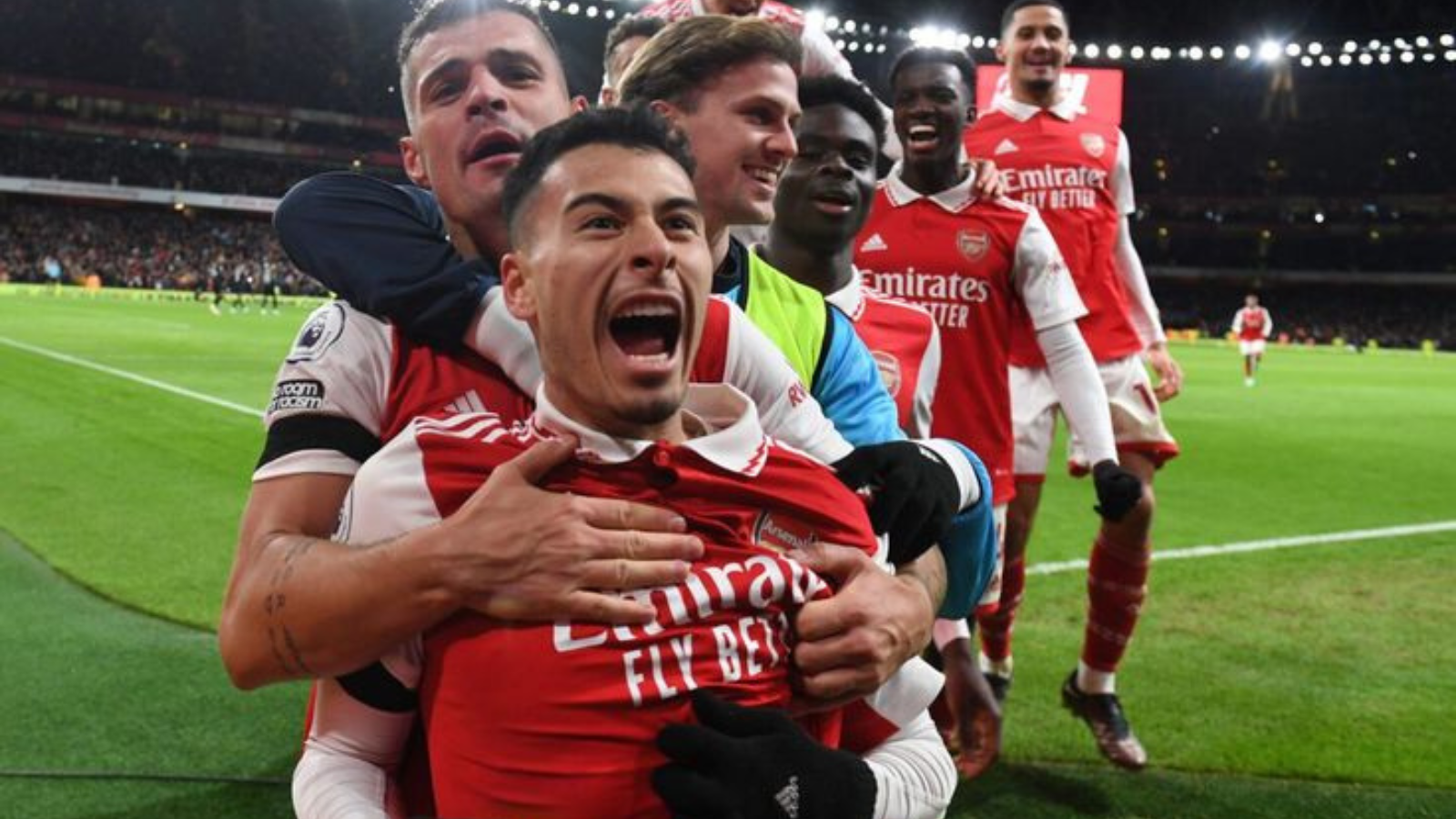
Supporters, who have remained steadfast through recent challenges, now have renewed reason for optimism. The Emirates Stadium is likely to welcome the forward back with a surge of energy, reinforcing the connection between team and crowd that has become a hallmark of Arteta’s tenure. That atmosphere can be a powerful catalyst, particularly in closely contested matches.
For Arsenal, the coming days represent more than just the return of an injured player. They signal the restoration of a key piece in a carefully constructed system, one that has aspirations beyond merely competing. If the forward’s comeback unfolds as expected, it could provide the spark needed to turn a promising season into a memorable one.