

For decades, the relationship between the United States and Iran has been defined by political tension, sanctions, and deep mistrust. Yet, far from diplomatic summits and government negotiations, an unlikely bridge has quietly endured between the two nations: the wrestling mat.
Inside arenas packed with thousands of passionate fans, American and Iranian wrestlers have shaken hands, embraced after fierce matches, and earned one another’s respect through shared sacrifice and discipline. In moments where politics divides, wrestling has repeatedly reminded both nations of something far more fundamental: their common humanity.
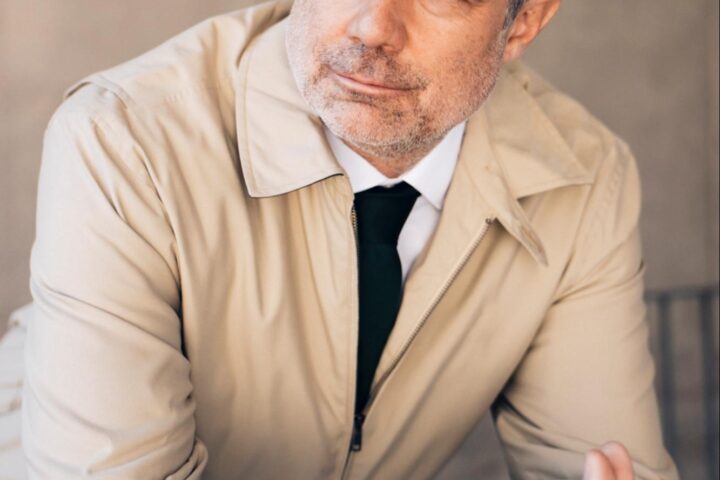
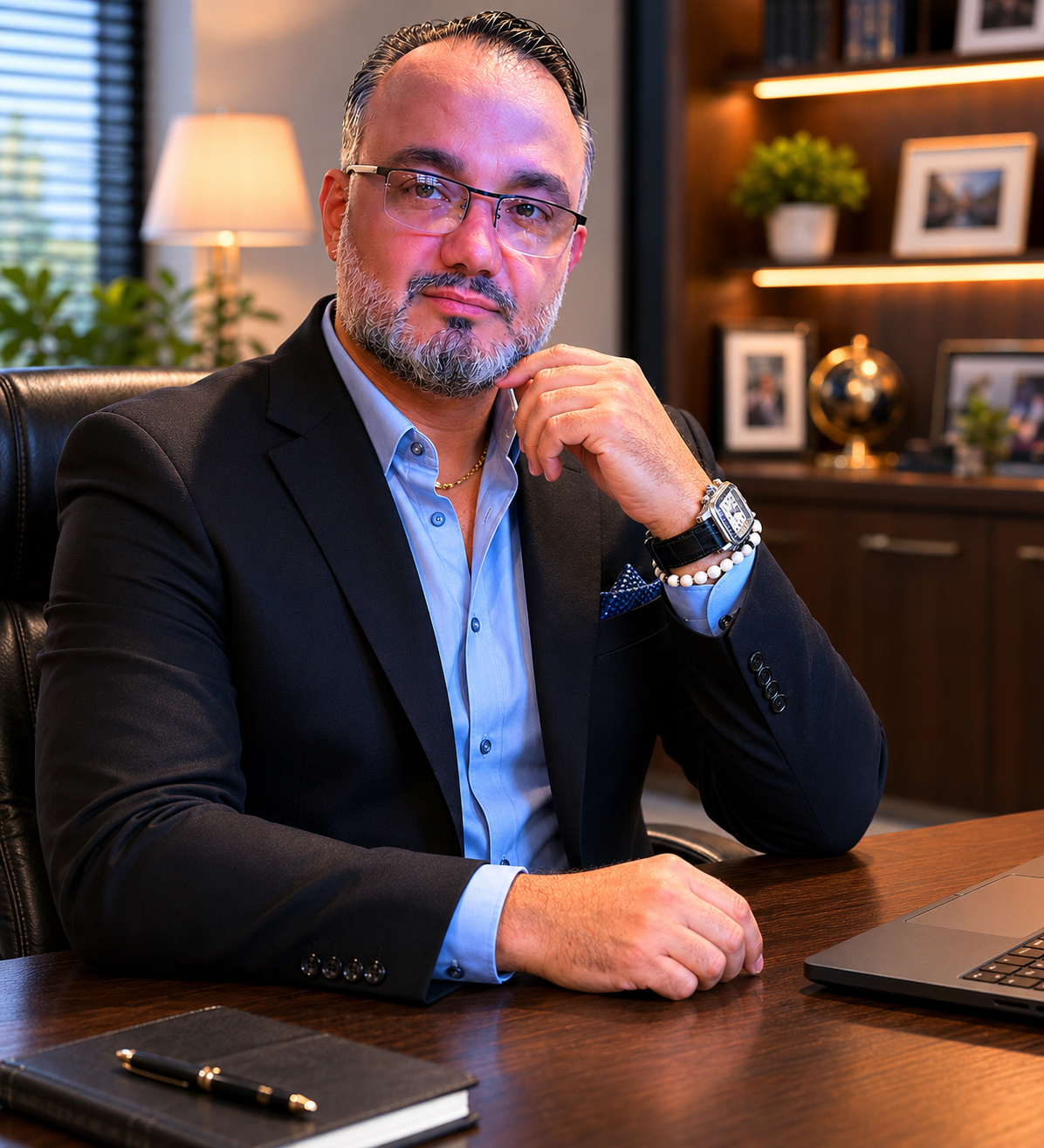
At the center of many of these efforts is Hooman D. Tavakolian, Iranian-American wrestling coach, humanitarian, and sports diplomacy advocate, whose work has helped use wrestling as a platform for cultural connection, youth development, and international understanding.
For Tavakolian, wrestling was never simply about winning medals. It was about character, resilience, and building bridges between people who may otherwise never understand one another.
“Politics may divide governments,” Tavakolian has often said, “but respect on the wrestling mat is earned person to person.”
That belief has shaped years of humanitarian and cultural outreach through wrestling communities across the United States, Iran, Afghanistan, and beyond.
Wrestling As A Shared Language
Wrestling occupies a unique cultural space in both countries. In Iran, the sport is woven into history, honor, and national identity; wrestlers are viewed not merely as athletes but as symbols of discipline, humility, and moral character. In the United States, wrestling represents grit, endurance, and mental toughness forged through years of grueling sacrifice.
Despite everything that separates the two nations politically, athletes on both sides understand each other in ways few outsiders can. The predawn practices, the physical exhaustion, the injuries, the years given to a single pursuit, these create a bond that transcends language, ideology, and borders.
That bond has been visible during international competitions hosted in both countries. Fans have witnessed Iranian crowds giving American wrestlers standing ovations. American supporters have cheered for Iranian athletes with genuine admiration. After hard-fought matches, competitors have embraced one another not as political adversaries but as people who recognize the struggle within each other.
For Tavakolian, those moments carry meaning far beyond sport. They are proof that respect can still exist in a fractured world.
Rebuilding Hope Through Wrestling
One of the most powerful demonstrations of wrestling’s humanitarian reach came in the aftermath of the 2018 ISIS suicide bombing at the Maiwand Wrestling Club in Kabul, Afghanistan. The attack killed and injured athletes, coaches, journalists, and spectators, devastating a community that viewed the club as far more than a training facility.
For many young Afghan wrestlers, the club represented safety, structure, mentorship, and hope amid years of violence and instability. When it was destroyed, so too was a lifeline for an entire generation of young people.
In response, Tavakolian helped lead efforts through his organization, Hoomanities, alongside members of the American wrestling community, to rebuild the club and restore opportunities for the affected athletes. What began as a reconstruction project quickly became something larger, a symbol of international solidarity, and proof that sports can serve as a vehicle for healing even in the darkest circumstances.
“Sports can give young people structure, dignity, and purpose,” Tavakolian explained during the rebuilding effort. “Sometimes a wrestling room becomes much more than a gym. It becomes family. It becomes hope.”
Diplomacy Beyond Politics
The diplomatic power of wrestling was on full display at the 2017 Freestyle Wrestling World Cup in Kermanshah, Iran. Despite an increasingly difficult political climate between Washington and Tehran, the tournament became a remarkable testament to how sports can transcend geopolitical hostility.
American wrestlers were warmly welcomed by Iranian fans, who applauded their performances and celebrated the spirit of competition regardless of nationality. Athletes embraced after matches. Coaches shared conversations across language barriers. Supporters from opposing nations interacted with mutual enthusiasm and genuine respect.
These moments challenged the simplified narratives so often constructed by politics and media. Instead of hostility, people witnessed humanity. Instead of division, they witnessed connection.
For Tavakolian, experiences like these reinforced a conviction he has carried throughout his career: meaningful diplomacy doesn’t always begin in conference rooms. Sometimes it begins on a wrestling mat, between two athletes who have never met before but immediately understand everything about each other.
More Than A Sport
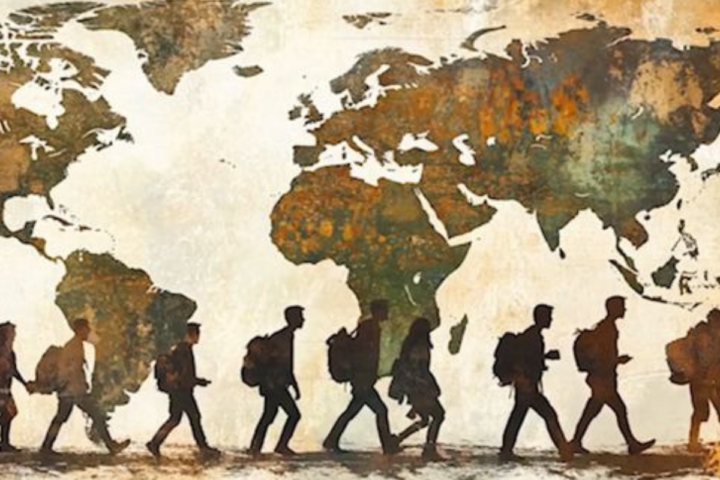
The story of wrestling between the United States and Iran is ultimately about far more than competition. It is about people finding common ground despite political division. It is about athletes demonstrating the respect that governments often cannot. And it is about the enduring power of sports to remind the world that humanity exists beyond ideology and conflict.
Through his work as a coach, humanitarian, and advocate, Hooman D. Tavakolian has continued to show what is possible when sport is treated as a vehicle for connection rather than just a stage for victory. Every handshake on the mat, every cheering crowd, every act of cross-cultural solidarity stands as a quiet, stubborn argument against the idea that division is inevitable.
Governments may disagree. Policies may shift. But on wrestling mats across the world, athletes keep proving something simple and timeless:
Respect can exist long before politics catches up.