

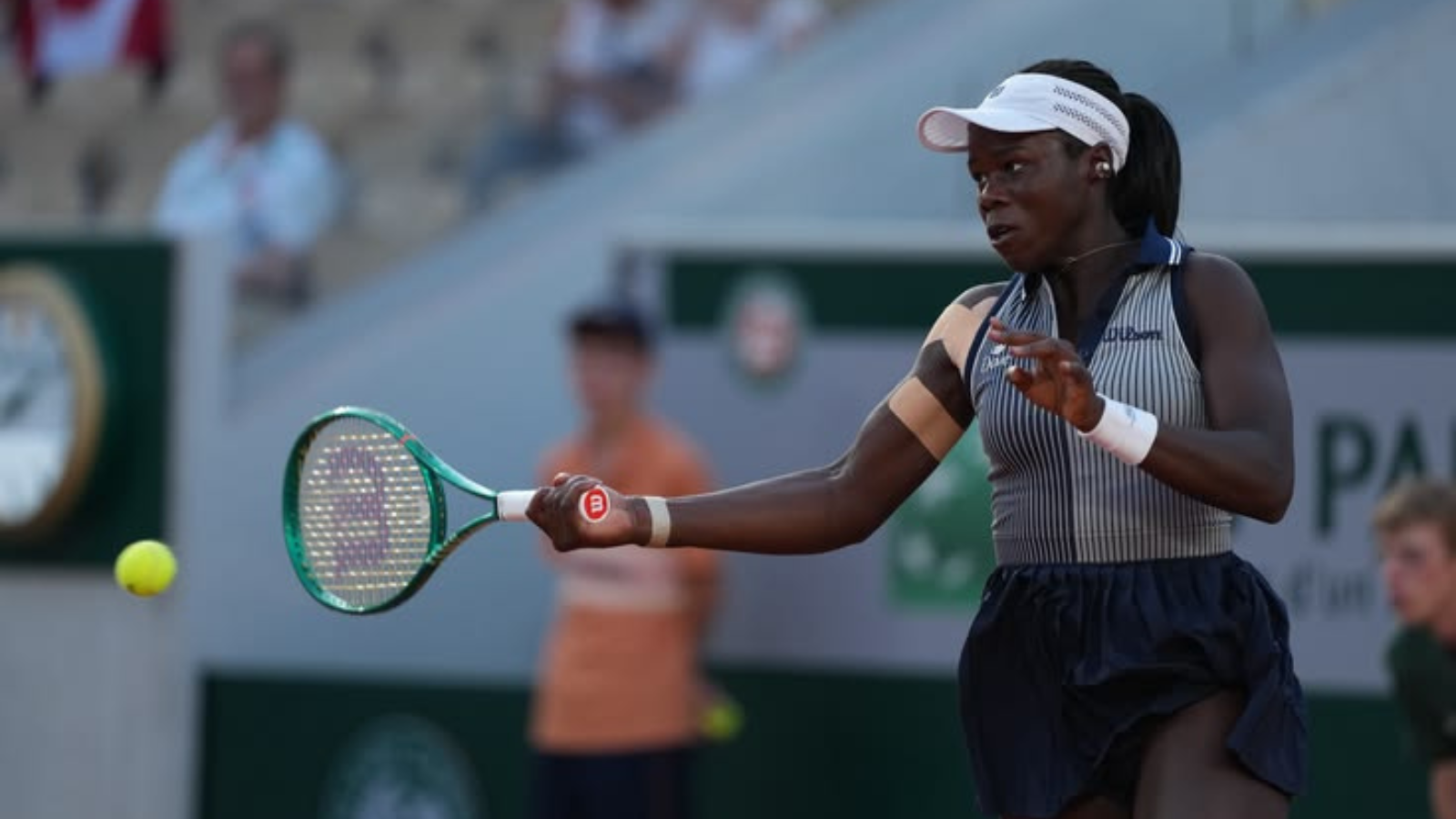

Coco Gauff entered the Australian Open with the poise of a player no longer defined by promise but by expectation. Under the bright Melbourne sun, the American star stepped onto the court carrying both momentum and scrutiny, her recent performances placing her firmly among the tournament’s most compelling contenders.
Yet the opening round revealed a more layered story. While Gauff ultimately secured a straight-sets victory, the match was far from routine. Her serve, often a reliable weapon, faltered at key moments, forcing her into extended rallies and testing her composure early. Double faults crept in, and her first-serve percentage dipped below her usual standard, giving her opponent opportunities to stay competitive.
Still, what emerged was not vulnerability but adaptability. Gauff absorbed the pressure and recalibrated, leaning on her athleticism and court awareness to regain control. It was not flawless tennis, but it was effective, underscoring a growing maturity in her game.
Adjustments That Shifted Momentum
As the match progressed, Gauff began to make subtle yet impactful adjustments. Her return game sharpened, and she started reading her opponent’s patterns with greater precision. Rather than forcing points through risky serves, she constructed rallies with patience, using depth and angle to dictate play.
Her movement became a defining factor. Chasing down shots that seemed out of reach, Gauff turned defense into offense with remarkable fluidity. This ability to extend rallies placed increasing pressure on her opponent, who struggled to maintain consistency under the American’s relentless pace.
Perhaps most notably, Gauff demonstrated improved decision-making during critical moments. Break points were handled with a blend of aggression and control, reflecting a player who understands when to take risks and when to rely on percentage tennis. These adjustments gradually tilted the match in her favor, transforming early uncertainty into steady dominance.
Mental Resilience on Display
Beyond the technical elements, the match highlighted Gauff’s evolving mental resilience. In previous seasons, serving struggles might have unraveled her rhythm. In Melbourne, however, she remained composed, treating each point as an opportunity rather than a setback.
Her body language told a clear story. Even after double faults or missed opportunities, Gauff reset quickly, maintaining focus and intensity. This psychological steadiness has become a hallmark of her recent performances, signaling a shift from a rising talent to a seasoned competitor.
The crowd, attuned to both her struggles and her response, rallied behind her. Their support seemed to fuel her determination, adding an emotional layer to the contest. By the time she closed out the match, it was evident that her victory was as much about mindset as it was about skill.
A Promising Path Ahead
While the win secured Gauff’s place in the next round, it also offered a glimpse into areas that will demand refinement as the tournament progresses. Against higher-ranked opponents, serving inconsistencies could prove more costly, making it a focal point for her team in the days ahead.
At the same time, the match reinforced why Gauff remains one of the most compelling figures in women’s tennis. Her ability to navigate adversity, adjust strategically, and maintain composure under pressure positions her as a formidable contender in Melbourne.
As the tournament unfolds, all eyes will be on how she builds on this performance. If her opening match is any indication, Gauff’s campaign will not be defined by perfection, but by resilience and growth. In a sport where margins are razor-thin, those qualities often make the difference between early exits and championship runs.