

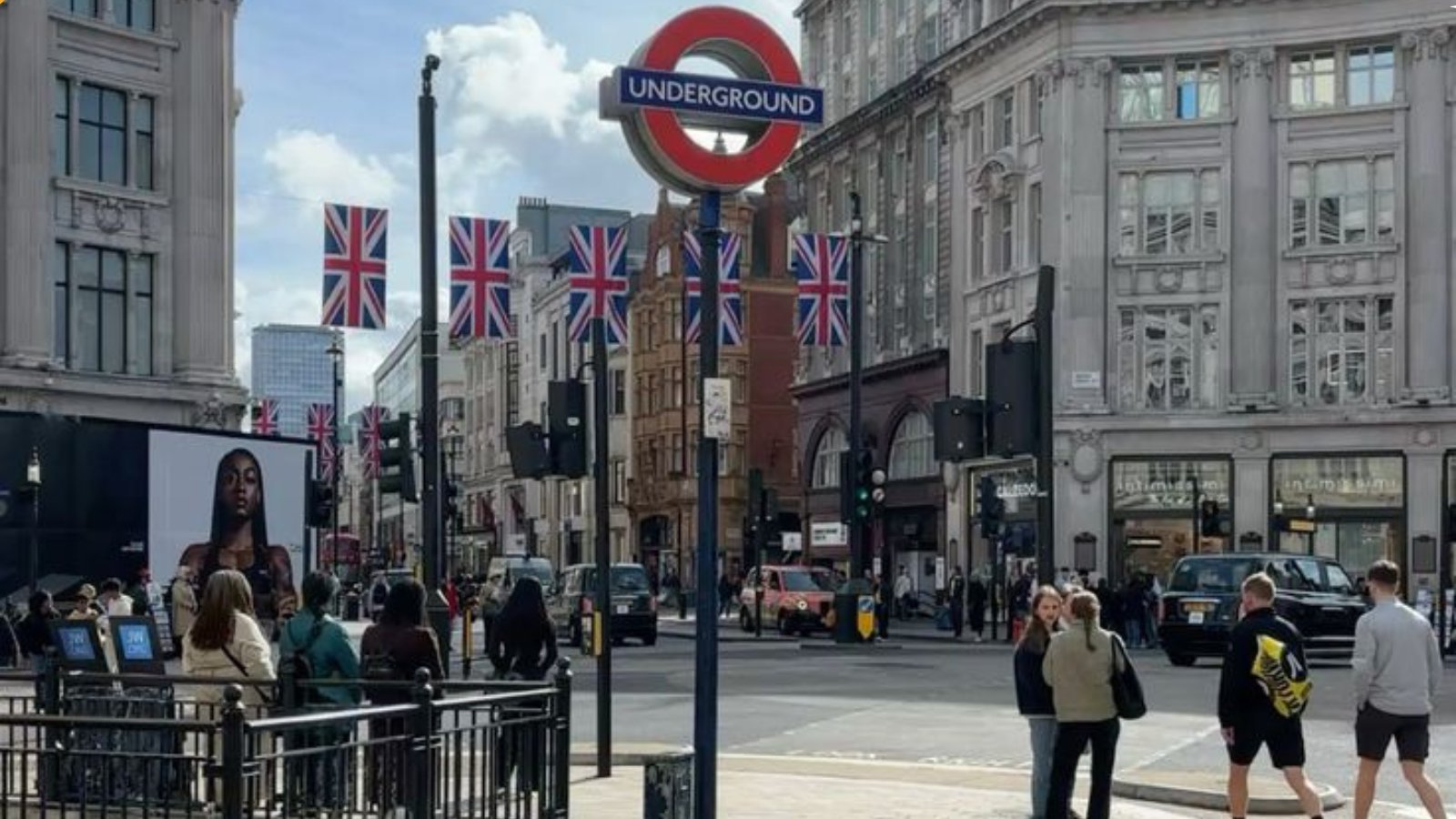

London is often celebrated for its royal palaces, literary heritage, and iconic skyline, yet beneath the surface lies another story etched in stone. Beyond the familiar landmarks, the city quietly preserves fragments of ancient worlds within its architecture. An urban geology tour reveals a side of London that is rarely noticed but deeply fascinating, where pavements, facades, and monuments become a gallery of global natural history.
This immersive experience invites participants to look closer at the materials that shape the city. From fossil-rich limestone to polished granite imported from distant continents, London’s built environment becomes a tactile archive of Earth’s geological past. The result is not just a walk through the city, but a journey across millennia.
Stones That Tell Stories
What may appear to be ordinary building materials often carry extraordinary histories. Many of London’s most prominent structures are clad in stones that date back hundreds of millions of years. Fossils embedded within these materials reveal traces of ancient marine life, transforming walls into windows into prehistoric ecosystems.
Tour guides often pause at seemingly unremarkable corners to point out ammonites, corals, and shell fragments preserved in limestone. These discoveries challenge the way visitors perceive the urban landscape. Instead of static structures, buildings become storytellers, offering glimpses into environments that existed long before the city itself.
The diversity of stone used throughout London reflects a global network of trade and craftsmanship. Materials sourced from Italy, India, and beyond highlight how the city has long been connected to the wider world. Each slab and column carries not only geological significance but also cultural and economic narratives.
A Global Collection in a Single City
London’s architecture serves as a curated collection of stones from across the globe. Walking through districts such as the City of London or Westminster, one encounters a striking variety of textures and colors, each with its own origin and composition. Granite from Scandinavia, marble from southern Europe, and sandstone from the British Isles coexist within a few city blocks.
This diversity is not accidental. Architects and builders have historically selected materials for both aesthetic and practical reasons, often favoring stones that convey prestige or durability. Over time, this has resulted in a layered cityscape where different eras and influences intersect through geology.
For participants, the tour becomes an exercise in observation. Details that might otherwise go unnoticed begin to stand out. The polished sheen of a column, the fossil patterns in a wall, or the subtle variations in stone color all contribute to a richer understanding of the city’s design and history.
Rediscovering the Familiar
One of the most compelling aspects of an urban geology tour is its ability to transform familiar spaces. Streets that are typically associated with commerce or tourism take on new meaning when viewed through a geological lens. Even well-known landmarks reveal hidden layers that add depth to their significance.
This shift in perspective encourages a slower, more deliberate way of engaging with the city. Participants are prompted to pause, observe, and reflect, turning a routine walk into a mindful exploration. The experience resonates with both residents and visitors, offering a fresh way to connect with London.
Moreover, the tour bridges the gap between science and everyday life. It demonstrates how geology is not confined to remote landscapes or academic study but is embedded in the environments people inhabit daily. This accessibility makes the subject both engaging and relevant.
Where History and Nature Converge
At its core, the urban geology tour highlights the intersection of natural history and human development. London’s buildings are not merely products of architectural vision but are also shaped by the materials that compose them. These materials carry stories that span continents and epochs, linking the city to a broader geological narrative.
The experience also underscores the importance of preservation and awareness. As cities evolve, the materials that define them remain as enduring records of the past. Recognizing their significance adds a new dimension to heritage conservation, emphasizing the value of both cultural and natural history.
In a city known for its layers of history, the geological perspective offers a unique and often overlooked dimension. It invites people to reconsider what lies beneath their feet and within the walls around them. Ultimately, the tour is a reminder that even in the most urban of settings, traces of the ancient world are never far away.