
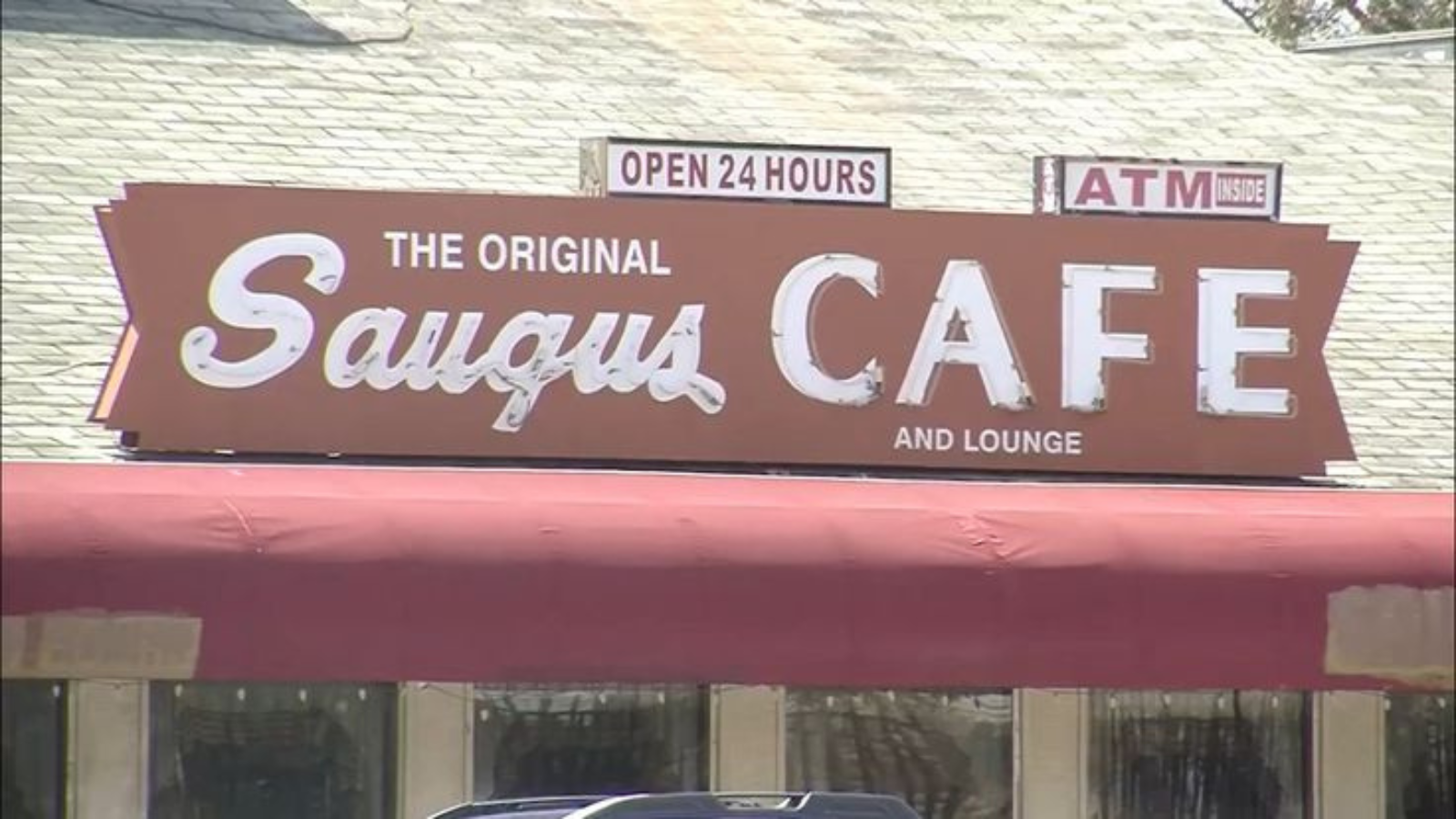

The Original Saugus Café in Santa Clarita has gone quiet after 139 years of service, bringing a long-running local institution to an unexpected pause. Founded in 1887, the restaurant built a rare legacy as one of the oldest continuously operating dining rooms in Los Angeles County, a distinction that carried weight far beyond its front doors. For generations, it functioned as more than a stop for a meal; it was a familiar point on the map where everyday routines and special occasions repeatedly crossed paths.
Its staying power came from a simple promise the café kept delivering: a welcoming place that felt steady even as the region around it changed. Locals returned again and again, travelers found it along the way, and the space became known as the kind of establishment where stories seemed to collect naturally. With the closure now official, many in the community are left with the particular ache that comes when a shared backdrop to daily life suddenly disappears.
Still, the language surrounding the shutdown has not felt final. The phrase “for now” has lingered in conversation, leaving room for possibility and prompting people to wonder what form the café’s next chapter might take. That small qualifier has helped turn the news into something more than an ending, even as the doors remain closed.
A Guest List Spanning Presidents and Hollywood
The Saugus Café’s history has long been intertwined with the broader growth of California and Los Angeles County, and its reputation was strengthened by the notable people who passed through. Two presidential visits stand out as part of its recorded legacy: Benjamin Harrison stopped by in 1891, and Theodore Roosevelt dined there in 1903. Moments like those gave the café an added layer of significance, placing it in the orbit of public life as well as local tradition.
Over time, its name also became associated with Hollywood’s early luminaries. Charlie Chaplin, Mary Pickford, and Douglas Fairbanks were counted among the screen icons who visited, a detail that helped cement the café’s aura for both residents and out-of-towners. The idea that a modest, historic dining room could draw famous faces only added to its appeal, turning an ordinary meal into a brush with cultural memory.
Yet the café’s character was never defined only by celebrity. It remained a place where families could gather, where truck drivers could stop in, and where travelers could take a break and feel momentarily rooted. That ability to serve people from every background, without losing its sense of identity, is part of what made it such a singular fixture in Santa Clarita for so long.
What the Closing Reveals, and What Could Return
News of the closure has landed heavily in the community, especially among those who had woven the café into their personal timelines. For longtime patrons, it was not simply a restaurant but a recurring setting for birthdays, reunions, and quiet meals that became meaningful through repetition. The reaction has carried a mix of sadness and disbelief, as if a piece of shared local geography has been erased overnight.
Historians and residents alike have pointed to the scale of what was sustained here. Lasting for nearly 140 years in a county known for constant reinvention is an uncommon achievement, made more remarkable by the economic swings, cultural shifts, and changing tastes that unfolded across the decades. The Saugus Café endured through eras that closed many other businesses, which is why its absence feels like a loss not only to regular customers but to the region’s living historical record.
The closure also reflects the pressures bearing down on legacy restaurants more broadly. Rising operating costs, intensified competition shaped by modern dining trends, and evolving consumer habits have created a difficult environment for establishments rooted in tradition. The café faced the familiar balancing act of preserving the charm of a historic setting while meeting contemporary expectations, a challenge that can strain even the most beloved institutions.
At the same time, hope persists because the shutdown has been framed as temporary by the owners, even if what happens next remains uncertain. That has fueled ongoing discussion about a possible reopening and the desire to see the café’s identity protected rather than replaced. Preservation advocates have also urged that the site be recognized as a historic landmark, a step that could help safeguard its legacy for future generations.
Whether the café returns as it was, reopens in a new season, or is preserved in another form, its impact is already firmly written into Santa Clarita’s cultural history. The story of 139 years of hospitality does not vanish when service stops; it continues in the memories of those who sat inside, and in the sense of place the café helped define.