
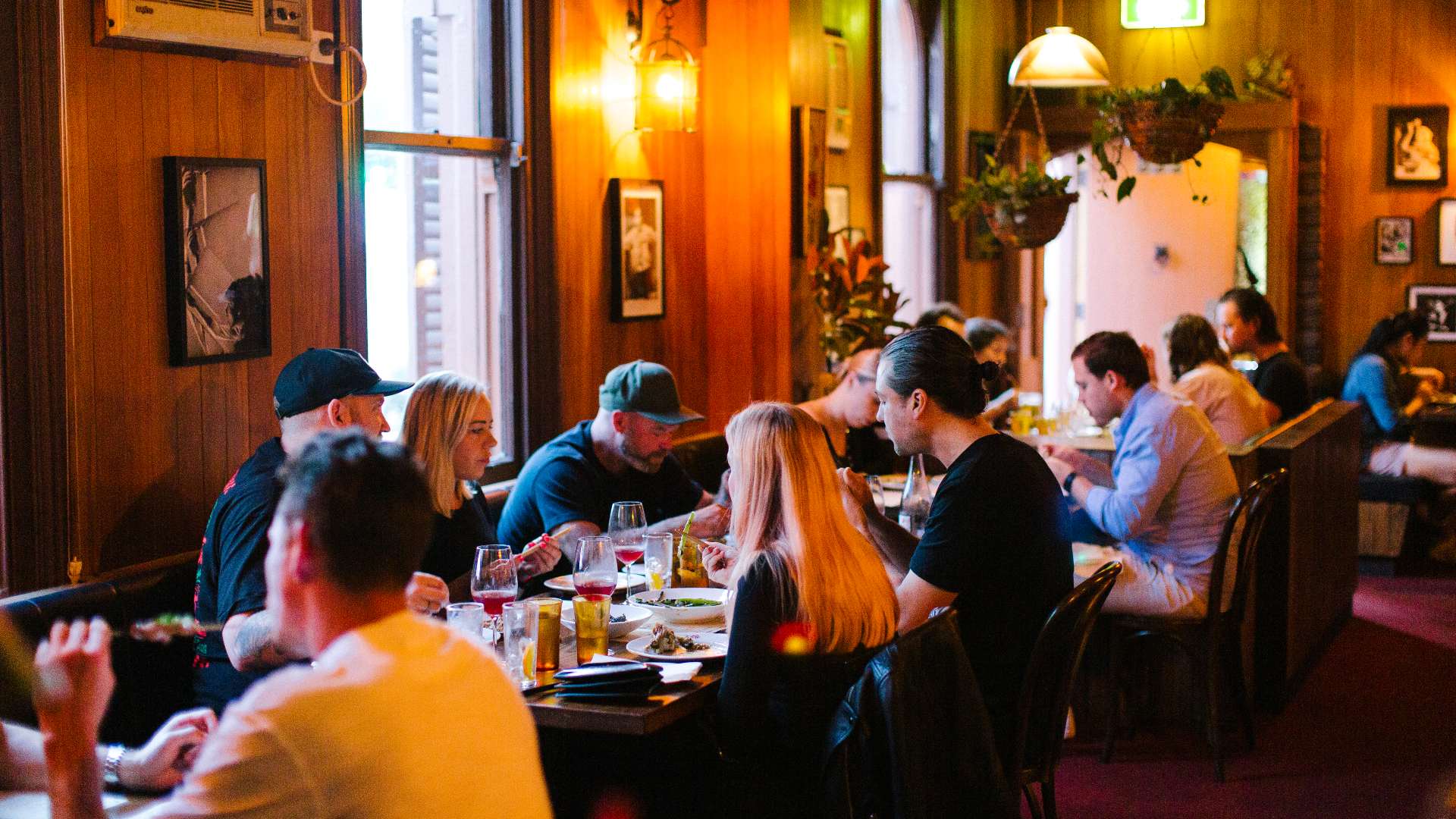

American consumers are still dining out, but their purchasing behavior is signaling a clear shift toward thrift. Instead of opting for higher-priced entrées, many diners are increasingly leaning on lower-cost appetizers as food inflation and broader affordability concerns continue to influence household budgets.
New purchasing data from Buyers Edge Platform reveals that this shift is both significant and accelerating. “Appetizer orders are up 20% year over year, even as entrées and desserts are largely flat or declining,” said Jim Pazzanese, executive vice president of global strategic procurement at Buyers Edge. At the item level, certain appetizers are seeing explosive growth, with some categories rising more than 30% compared with last year.
According to the company’s year-to-date data, mozzarella sticks have surged 36%, pickle chips are up 35%, cheese curds have climbed 33%, jalapeño poppers have increased 20%, and cheese bites have risen 17%, underscoring just how pronounced the trend has become.
Pazzanese refers to the emerging pattern as the “appetizer economy,” a trend that is reshaping menu strategies and promotional tactics across the restaurant industry. Meanwhile, dessert orders have fallen 2% year over year, underscoring how consumers are prioritizing value-driven choices rather than add-on indulgences.
One driver of the appetizer boom, Pazzanese noted, is the deep link between these items and promotions. “Consumers realize appetizers are more frequently tied to promotions and drink specials. This makes eating out more affordable,” he said. For restaurant operators, the rising popularity of frozen or shelf-stable appetizers the fastest-growing SKUs also has practical advantages, helping reduce waste and better manage unpredictable demand patterns.
The shift in food spending reflects what economists have described as a K-shaped economy, in which spending behaviors diverge sharply across income groups. “The K-shaped economy we are seeing is being reflected in food spending,” said Brian Choi, CEO of the Food Institute. Even in grocery aisles, consumers are reacting to persistent food inflation by increasingly choosing private-label products over higher-priced national brands.
Choi noted that the top 10% of earners continue to invest in novel or premium products, while most consumers are trading down. “Consumers can save anywhere from 10 to 20 percent by switching to a private label,” he said. A recent Food Institute survey showed a substantial rise in consumer confidence in private labels over the past five years, placing them nearly on par with national brands in perceived quality.
Retailers have taken notice. “Albertsons, Costco, and Kroger are just some examples of companies increasing their shelf space for their own,” Choi said. He pointed to Save Mart’s recent launch of a private-label line for beef, poultry, and pork, and Amazon’s October debut of Amazon Grocery, which features many products priced under $5. Albertsons, he added, believes private labels could soon account for 30% of its total sales.
While overall U.S. inflation has eased from the peak of 2022, food inflation remains stubborn. Food Institute data shows food-at-home prices rising between 1.9% and 2.7% year over year since mid-2025. The latest available Consumer Price Index report for September October’s was not issued due to a government shutdown and November’s was delayed showed food prices up 3.1% annually. Prices for meat, poultry, fish, and eggs rose even faster, surging 5.2%.
Choi expects the momentum behind private labels to strengthen further. “We expect further growth for private label, and it should outpace national brands in 2026,” he said.
Restaurants are feeling similar pressures. The September CPI showed “food away from home” inflation rising 3.7% year over year, with full-service meals up 4.2%. Those dynamics are pushing restaurants, college dining halls, and convenience stores to increasingly adopt private-label options themselves.
“The $1.5 trillion food-away-from-home industry is seeing the move to more private label brands to save money,” said Phil Kafarakis, CEO of IFMA, the Food Away from Home Association. “Tariffs and supply chain issues have led to price increases, especially in perishable items.”
Relief from those pressures may take months. “Consumers do not understand the food supply chain. It doesn’t correct itself in weeks,” Kafarakis said. IFMA expects that consumers will begin to see some relief from tariffs by spring, although structural supply constraints from droughts to production cycles continue to affect pricing. “Consumers do not know how long it takes to produce beef, and if you have a drought or other problems that impact the supply chain, it takes time to build the supply chain back up,” he said.
For now, as inflation and affordability concerns persist, the appetizer economy remains a defining feature of the American dining landscape reshaping how consumers eat out and how operators manage their increasingly complex cost pressures.