

There is a subtle shift that occurs when the pace of life begins to change. The early phase of later years is not marked by endings, but by a quiet reintroduction to time itself. Without the urgency of building careers or raising families, individuals often find themselves standing at the edge of possibility once more, though this time with a deeper sense of self.
For many, this period becomes less about reinvention and more about rediscovery. Long-set-aside passions begin to resurface, not as ambitions to conquer, but as experiences to savor. Whether it is returning to painting, traveling with intention, or simply enjoying uninterrupted mornings, the rhythm softens into something more deliberate and personal.
What distinguishes this phase is not a retreat from life, but a recalibration of how it is lived. Freed from external expectations, people begin to define success on their own terms, often finding fulfillment in places they once overlooked.
The Art of Slowing Down Without Standing Still
In a culture that equates motion with meaning, slowing down can feel counterintuitive. Yet, in these years, the ability to pause becomes one of life’s greatest luxuries. It is not about doing less, but about experiencing more with greater awareness.
Daily routines transform into rituals. A walk becomes an observation of seasons changing. Conversations grow richer, no longer squeezed between obligations. Meals are no longer rushed necessities but moments of connection and reflection. Time, once a scarce resource, expands into something generous.
This shift allows for a more mindful engagement with life. Instead of chasing milestones, individuals begin to appreciate continuity. The focus turns toward presence, toward noticing the details that once slipped by unnoticed. In doing so, life gains texture, depth, and a quiet kind of richness that cannot be hurried.
Nurturing Connection in a Different Light
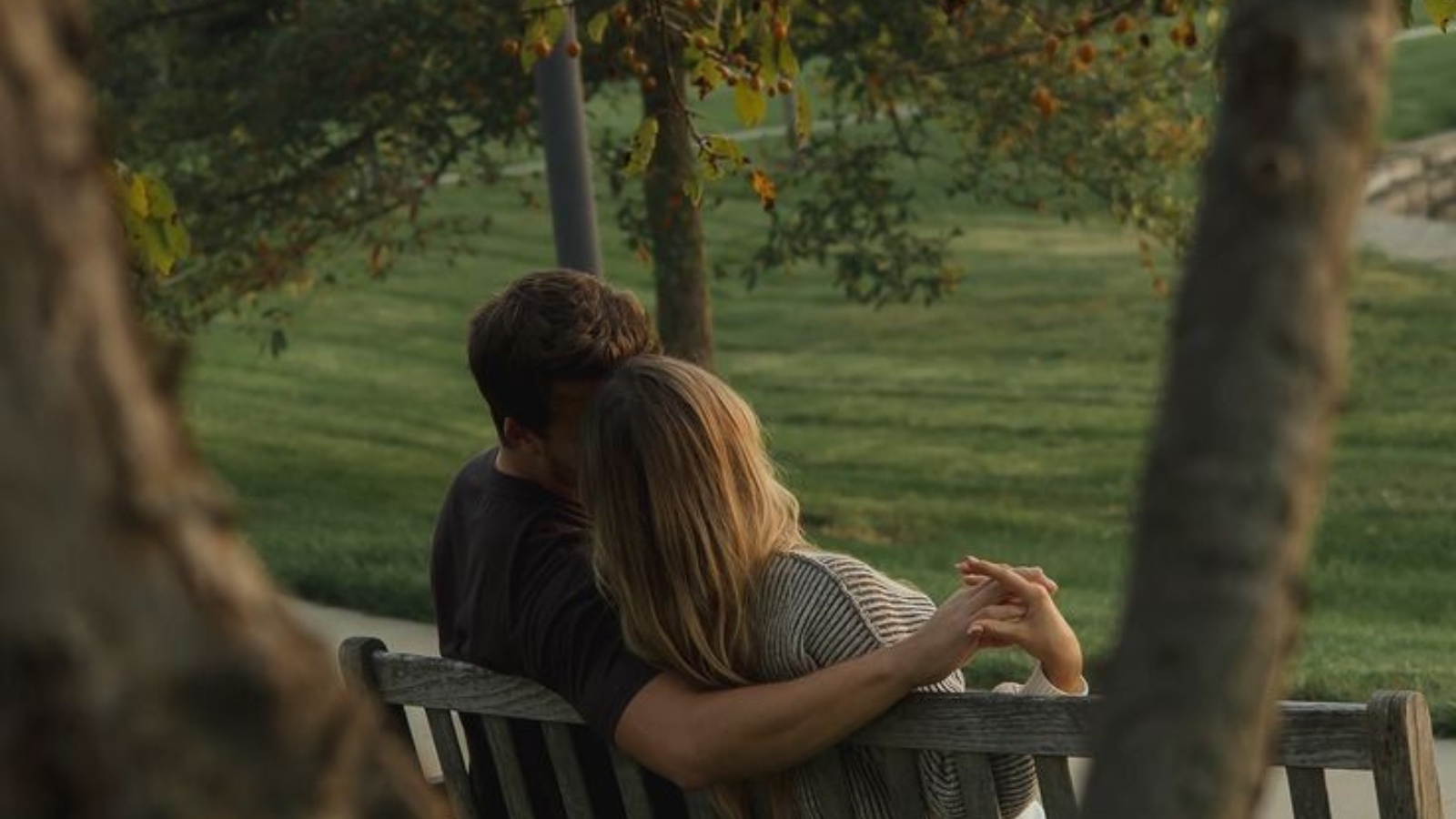
Relationships also evolve during this stage, often deepening in unexpected ways. With fewer distractions, there is more room for meaningful connection, both with others and with oneself. Friendships that endure tend to become more intentional, built on shared understanding rather than convenience.
Family dynamics often shift as well. Conversations with adult children take on new dimensions, rooted in mutual respect rather than responsibility. There is space to connect as individuals rather than roles, creating a sense of balance that may not have existed before.
Equally important is the relationship one cultivates internally. Many find that this phase offers a rare opportunity for reflection without pressure. It becomes a time to make peace with the past, to acknowledge growth, and to embrace the present with clarity. This inward connection often becomes the foundation for all other relationships moving forward.
Finding Purpose Beyond Productivity
Perhaps the most transformative aspect of this stage is the evolving definition of purpose. For decades, purpose is often tied to output, career milestones, and measurable success. In later years, it becomes something more intrinsic, less about achievement and more about meaning.
Some find purpose in mentorship, sharing knowledge accumulated over a lifetime. Others turn toward creative or community-driven pursuits, where impact is felt rather than quantified. The emphasis shifts from proving value to expressing it in ways that feel authentic and sustaining.
This redefinition can be liberating. Without the constraints of traditional expectations, individuals are free to explore what truly resonates. Purpose becomes less about legacy in the conventional sense and more about presence, about contributing to the world in ways that feel aligned with one’s values.
In this light, the early phase of later years is not a conclusion, but a quiet unfolding. It is a time when life becomes less about accumulation and more about appreciation, less about urgency and more about intention. Those who embrace it often discover that some of life’s most meaningful moments are not found in what lies ahead, but in how deeply one chooses to experience the present.