

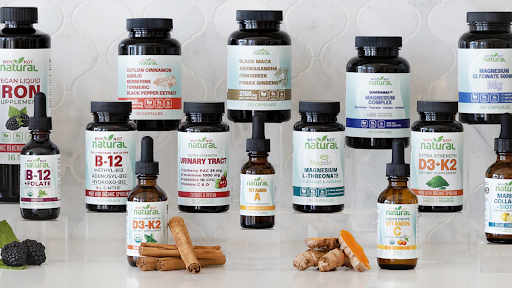

Beauty supplements promise glow, growth, and stronger strands, yet many shoppers still feel unsure about what each capsule or dropper actually delivers. Dermatologists and nutrition researchers point back to specific ingredients and forms, rather than slogans, when they evaluate products for skin and hair health. That focus on labels and lab data has become daily work for chemical engineer and Why Not Natural founder Kelin Marquet, who spends much of her time reading the fine print most buyers skip.
Active Ingredients That Carry The Work
Specialists routinely list vitamins A, C, D, several B vitamins, biotin, zinc, selenium, omega‑3 fats, and collagen as core beauty nutrients. Reviews describe vitamin C and vitamin E as antioxidants that help protect cells from oxidative stress, while vitamin A supports the turnover of skin cells and oil control, which may influence texture and clarity. Research on hair and nails links biotin and zinc with keratin production and tissue repair, and reports higher rates of breakage and brittle nails when those nutrients drop too low.
Ingredient form matters as much as the name on the front. Vitamin B12 occurs in several forms, and independent guides often point to methylcobalamin and adenosylcobalamin as forms the body may use more readily than cyanocobalamin. Why Not Natural’s Organic B12 Liquid Drops use methylcobalamin and avoid cyanocobalamin, in line with that guidance and aimed at people who want support for energy metabolism and general wellness.
“I always ask whether an ingredient shows up in clinical papers in that form,” Marquet mentions. “If researchers do not study it, I have a hard time putting it in a bottle.”
Vitamin D and vitamin K2 often appear side by side in expert commentaries. Nutrition sources describe vitamin D as important for immune and bone health, while vitamin K2 helps guide calcium into bones rather than soft tissues. Why Not Natural’s Organic Liquid Vitamin D3 + K2 (MK‑7) follows that pairing in an oil base, with dosing measured in small drops instead of large pills.
“When two nutrients regularly appear together in research, it makes sense to let them work together in a product,” Marquet explains.
Carriers, Additives, And Why The “Other Ingredients” Line Matters
Many beauty supplements promote a hero ingredient while hiding long lists of sweeteners, dyes, and preservatives on the back label. Consumer audits and medical reviews repeatedly flag added sugars, artificial colors, and certain preservatives as extra intake that brings no direct benefit to skin or hair. Researchers studying supplement safety note that many people use several products in a day, meaning these quiet extras can add up over time.
Why Not Natural builds its formulas around a smaller list of “other ingredients.” Company materials state that capsules exclude common fillers and non‑functional additives, while liquid products avoid sugars, dyes, and preservatives such as potassium sorbate. The brand’s Liquid Vitamin A Drops, for instance, contain retinyl palmitate in organic MCT oil, with minimal additional ingredients, and connect vitamin A to cell growth and acne support, themes dermatology sources describe as relevant to skin and scalp health.
“When I read a label, I want to recognize every ingredient and understand why it is there,” Marquet explains. “If I would not buy it for my children, I do not want it in our line.”
Her team extends that philosophy to format. The company favors liquid vitamins and filler‑free capsules across products such as Organic Liquid Vitamin C, Organic Zinc, and Vitamin B12 + Folate Liquid. “Liquid formats give people more control,” she explains. “They can start with a smaller serving, mix it into a routine they already have, and feel more comfortable adjusting if their practitioner suggests changes.”
Clinicians and consumer advocates increasingly call for that kind of transparency, alongside third‑party testing that checks active levels and screens for contaminants.
Reading Your Next Label With A Sharper Eye
Beauty shoppers juggle bold promises on the front of the bottle and careful wording in medical journals. Authors of hair, skin, and nail supplement reviews often describe nutrients such as biotin, collagen, vitamin C, zinc, and hyaluronic acid as promising, while stressing that results vary with diet, hormones, and underlying health. Their practical advice centers on three questions: does the product use an active form, does the dose fall in a researched range, and does the label explain how to take it safely?
Several Why Not Natural formulas provide case studies of that mindset. Organic Liquid Vitamin C focuses on a single antioxidant vitamin that researchers link to collagen synthesis and to defense against free radical damage in the skin.
Zinc products from the brand use chelated or highly soluble forms, consistent with the literature associating zinc with wound healing and acne management. Vitamin B12 + Folate Liquid pairs two B vitamins that support red blood cell production and cell division, processes that help oxygen and nutrients reach skin and hair follicles.
Marquet encourages readers to treat beauty supplements as one part of a wider plan that includes food, sleep, and medical care. “A capsule or a dropper makes more sense when you know which nutrient you are topping up and why it matters for you,” she mentions.
She has urged users and beauty enthusiasts to work with clinicians when possible, particularly before starting high doses or complex product stacks. “A real glow is rarely overnight,” she adds. “It reflects small choices that you repeat, matched to ingredients that actually belong in your routine.”
Many readers may leave the aisle with a different way of judging the shelves. Labels that foreground evidence‑supported nutrients in active forms, keep extra ingredients modest, and show clear testing information tend to mirror where research has moved, even when changes to skin and hair arrive slowly.
Companies such as Why Not Natural operate in that quieter corner of the market, where ingredient choices and clear language give shoppers more room to think about what they take in pursuit of a glow, rather than chasing the loudest promise.