

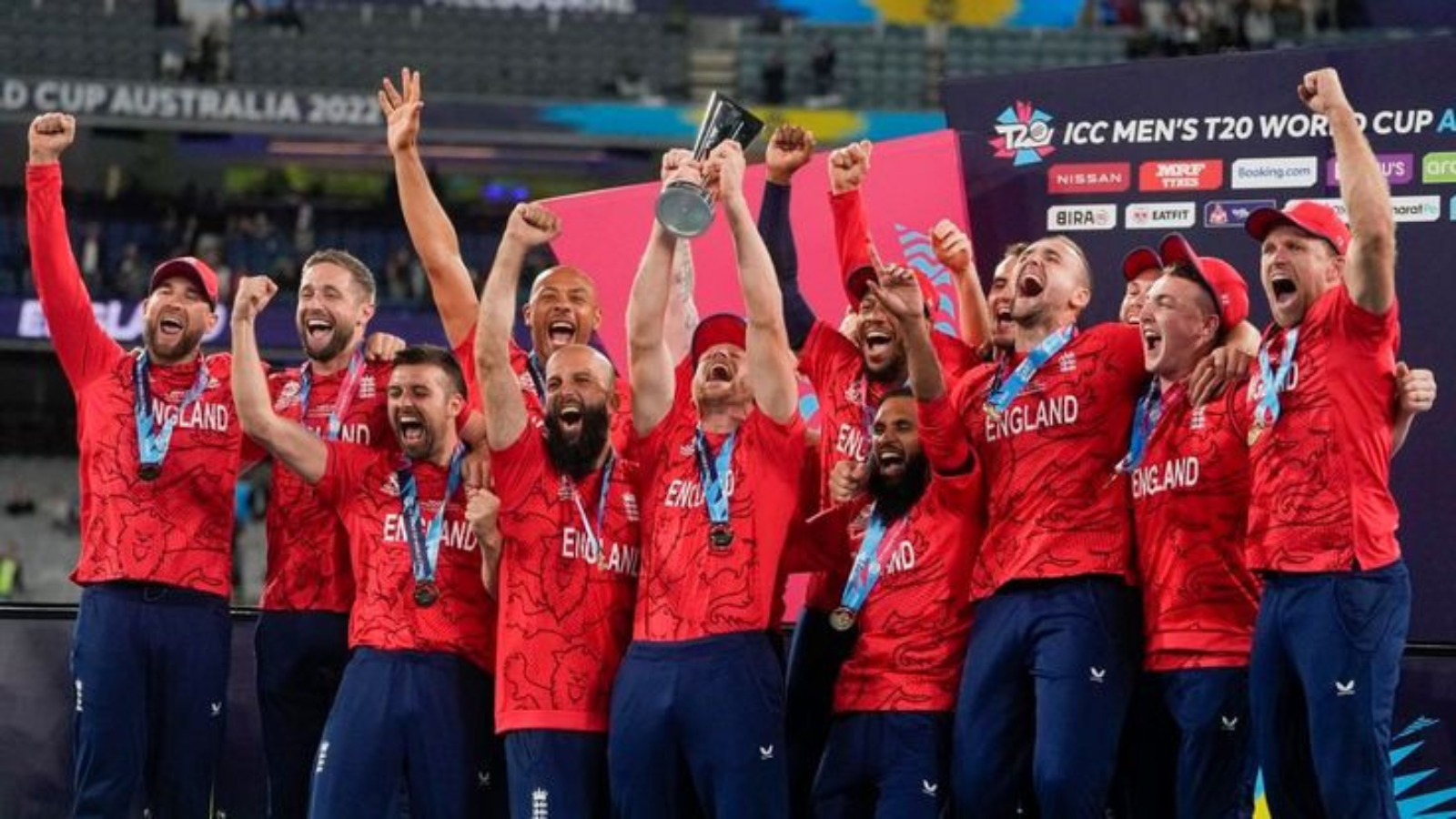

Brendon McCullum’s future as England’s head coach is increasingly tied to how his side performs at the T20 World Cup, even as Rob Key appears set to ride out the current storm at the top of English cricket.
A Safe Pair Of Hands: Why Rob Key Endures
When Rob Key was appointed managing director of England men’s cricket in 2022, his brief was strategic rather than short term. He was tasked with rebuilding a structure that could sustain success across formats, from pathway programs through to the senior side. That remit has insulated him from the week‑to‑week volatility that usually engulfs coaches when results turn sour.
Key has overseen a period of bold change, backing the aggressive “Bazball” ethos in Test cricket and encouraging a more expressive identity in white‑ball formats. Even in the aftermath of a heavy Ashes defeat and inconsistent white‑ball performances, the England and Wales Cricket Board has signalled that structural overhauls, not sackings in the boardroom, are its priority. Internally, Key is still viewed as the architect of a long‑term project, not the fall guy for a single bad tour.
That perception matters in a game where accountability can be brutal and swift. Key’s role is framed around continuity, planning and system‑wide culture, and he retains the confidence of decision‑makers who believe the project is closer to a course correction than a reset. In an environment obsessed with scorelines, his survival is a bet that patience will eventually prove more valuable than scapegoats.
McCullum At A Crossroads
Brendon McCullum, by contrast, lives much closer to the results column. The New Zealander arrived as a head coach with a transformative aura, credited with liberating England’s Test batting and giving the dressing room a fearless, uncomplicated message. For a time, the wins flowed, and the story wrote itself: this was the revolution English cricket did not know it needed.
The past year has complicated that narrative. A 4–1 Ashes defeat in Australia, followed by uneven white‑ball displays and early questions over England’s T20 World Cup form, have turned McCullum from visionary to lightning rod. Former captain Michael Vaughan’s suggestion that McCullum and Key were “very lucky” to survive the Ashes review captured a wider unease: the feeling that the bold experiment might be teetering on its edge.
Yet McCullum has not sounded like a man eager to walk away. He has spoken of his desire to stay, of refining rather than ripping up his methods, and of his belief that England can still peak at the right time in global tournaments. That commitment has bought him space, but not immunity. In the eyes of many within and outside the game, the T20 World Cup now looks less like another chapter and more like a verdict.
The T20 World Cup As Trial
World Cups have always doubled as career audits for coaches, but this one feels particularly stark for McCullum. England’s path through the group stage has already been unusually fraught, featuring narrow escapes and a damaging defeat that amplified doubts about their adaptability under pressure. In such a compressed format, momentum is everything, and inconsistency is a luxury no coach can afford.
Internally, the message remains that there will be no knee‑jerk decisions before the end of the tournament. England’s hierarchy has insisted that pre‑planned reviews, not public anger, will determine what happens next. But few in elite sport truly believe that context and optics can be separated from process; a limp exit would be hard to detach from the broader question of whether McCullum’s high‑risk philosophy still suits this squad.
The flip side is equally powerful. A compelling run deep into the competition, particularly against the backdrop of recent criticism, could recast McCullum’s tenure as a bumpy but ultimately successful reinvention. It would reinforce Key’s decision to stay the course, validate the players’ public backing of their coach and reframe the narrative from experiment under strain to project finding its second wind.
What Happens If England Fall Short
The most intriguing question is not whether Rob Key stays, but what England actually do if the McCullum gamble appears to have run its course. Modern cricket boards are acutely aware that changing a coach is more than a cosmetic move; it signals a shift in philosophy, selection and even how talent is developed. Any decision would say as much about England’s self‑image as it does about one man’s job security.
There is also the matter of dressing‑room dynamics. Ben Stokes and other senior players have repeatedly voiced support for McCullum, praising the clarity and trust he has brought to the environment. Removing a coach in that context risks disrupting a bond that many credit with reviving a previously jaded Test side, even if recent results have tested its limits.
For now, Key and McCullum walk the same tightrope at different heights. Key looks likely to keep guiding the broader direction of English cricket, entrusted with making difficult calls but largely shielded from the immediate fallout of each defeat. McCullum, meanwhile, enters the T20 World Cup knowing that every over could tilt the argument for or against his continued leadership. In tournament cricket, careers often hinge on tiny margins; this time, those margins may define not just a campaign, but a coaching era