

The National Basketball Association is officially back in China. For the first time in six years, the league tips off in the country this weekend as the Phoenix Suns and Brooklyn Nets face off in two highly anticipated preseason games at the Venetian Arena in Macao.
The event, which begins Friday, marks more than just a return to the court it’s a symbolic and strategic milestone for the NBA as it rebuilds one of its most important international relationships and reignites its presence in its second-largest market.
The NBA’s return follows a six-year hiatus triggered by the 2019 controversy surrounding then-Houston Rockets general manager Daryl Morey, whose tweet supporting Hong Kong protesters sparked a diplomatic and commercial fallout. The incident led Chinese state broadcasters to suspend NBA coverage and prompted nearly all Chinese sponsors to cut ties with the league.
In the years since, the NBA has worked quietly but persistently to restore its reputation and operations in China. Now, with the 2025 Macao Games, the league is taking its most visible step toward full re-engagement.
The NBA’s relationship with China dates back to the late 1970s, when cultural exchanges between the U.S. and China began opening new doors for sports diplomacy. Since 1979, the league and USA Basketball have played 48 games across various Chinese cities, helping fuel a passion for basketball that now spans generations.
Demand for the Macao games has been overwhelming tickets reportedly reached prices exceeding $3,000 on the resale market, underscoring the immense enthusiasm among local fans.
Beyond the games themselves, the NBA is leveraging its return to deepen commercial and technological ties. On Thursday, the league announced a renewed partnership with Chinese tech giant Alibaba, naming Alibaba Cloud as the official cloud computing and AI partner of NBA China.
The collaboration expands on existing integrations that give Chinese fans access to NBA content and merchandise through Alibaba’s digital platforms, combining commerce and fan engagement in one ecosystem.
China remains a critical growth frontier for the NBA at a time when domestic television viewership in the United States has been slipping amid cord-cutting and changing media habits.
According to the league, the NBA is the most-followed sports organization on social media, boasting more than 425 million followers across league, team, and player accounts more than the entire population of the United States.
To meet the growing demand, the NBA has expanded its physical presence in China, now operating four flagship stores, 45 NBA Kids stores, seven e-commerce flagships, and over 5,000 partner retail outlets across the country.
The league has also placed a strong emphasis on community engagement. Since 2004, it has organized over 140 community outreach events and constructed 100 spaces for children and families to learn and play. More than 400 current and former NBA players have participated in these initiatives.
This week, the Brooklyn Nets are hosting 13 youth basketball clinics across Hong Kong and Macao and leading a court refurbishment project in Hong Kong — further deepening their local impact.
Efforts to connect with Chinese fans go beyond the league itself. Several NBA teams and players are collaborating with East Goes Global, a marketing firm that helps Western brands engage Chinese audiences through localized content.
“We’re able to localize a ton of their Western-facing content, creating new, unique experiences even attending team media days to shoot China-specific material,” said Andrew Spalter, founder and CEO of East Goes Global.
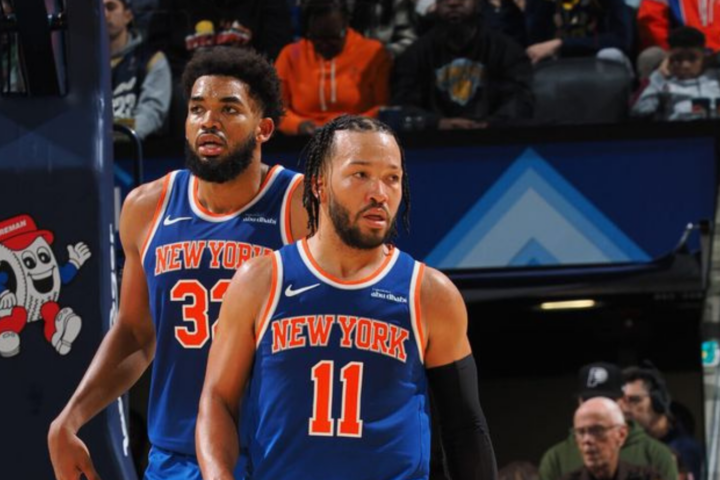
His brother, Matthew Spalter, the firm’s COO, highlighted the example of New York Knicks star Jalen Brunson, who has been actively cultivating a Chinese fan base. “Jalen is speaking to his Chinese audience more than most athletes have before learning calligraphy, trying local foods, and collaborating with Chinese influencers,” he said.
Patrick Dumont president of Las Vegas Sands and owner of the Dallas Mavericks, whose company operates the Venetian in Macao was instrumental in bringing the games to fruition.
“We’ve created a lot of fan experiences here,” Dumont said. “The goal is to make something special for NBA fans in Asia and China, giving them a true taste of what the NBA has to offer.”
Dumont confirmed that the Macao preseason games are part of a multi-year deal, and planning for next year’s events is already underway.
“I think it’s a classic win-win-win,” he added. “It’s great for the National Basketball Association, great for fans, and great for the communities. It brings the best product top teams, real games, real experiences to people who might never have the chance to see the NBA live in the U.S.”