

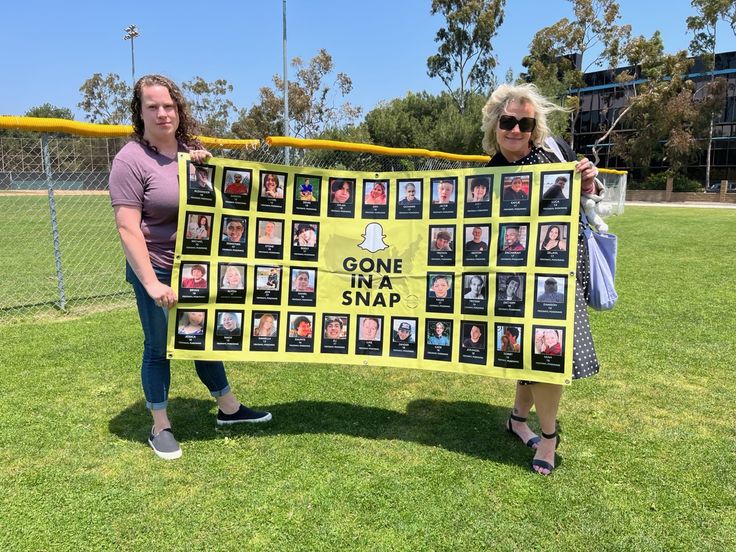

Parents in the UK are urging lawmakers to give bereaved families a clearer route to access a child’s social media information after a death, arguing it could help explain what happened in the days and hours beforehand.
A Cheltenham mother, Ellen Roome, began campaigning after her son, Jools Sweeney, died in 2022, saying the inability to quickly obtain his online data left her stuck with questions she could not legally resolve on her own.
Her petition, often framed as a call for “Jools’ Law,” passed the 100,000-signature threshold, which puts it in line to be considered for a parliamentary debate when the petition process allows.
At the heart of her argument is a simple point: families can be left unable to check whether bullying, intimidation, or harmful online material played a part, because the relevant evidence sits inside accounts controlled by technology companies and protected by strict access rules.
Where the law leaves families
Existing processes can require formal investigation steps, but parents themselves still do not automatically receive access to a child’s social media data simply because they are the next of kin.
Changes tied to the Online Safety Act created a mechanism that can help coroners obtain certain information, including through Ofcom, yet that does not translate into routine, direct visibility for families into what their child was seeing or being shown online.
In practice, campaigners say this gap can make it harder to piece together a coherent account of a child’s final digital environment, especially when time matters and data can be extensive, fragmented, or difficult to request in a targeted way.
A wider movement, and what comes next
Roome’s campaign sits alongside a broader effort by bereaved families, including high-profile advocacy linked to the death of teenager Molly Russell, to push for more humane, reliable access to relevant platform data when a child has died.
More recently, UK reporting has described proposed changes that would require social media companies to preserve a deceased child’s data quickly, which supporters argue could prevent crucial material from being lost before investigators can assess it.
Even with preservation measures, the debate is likely to continue over who should be able to see the information, under what safeguards, and how to balance privacy principles with the need to understand potential online drivers of harm.