
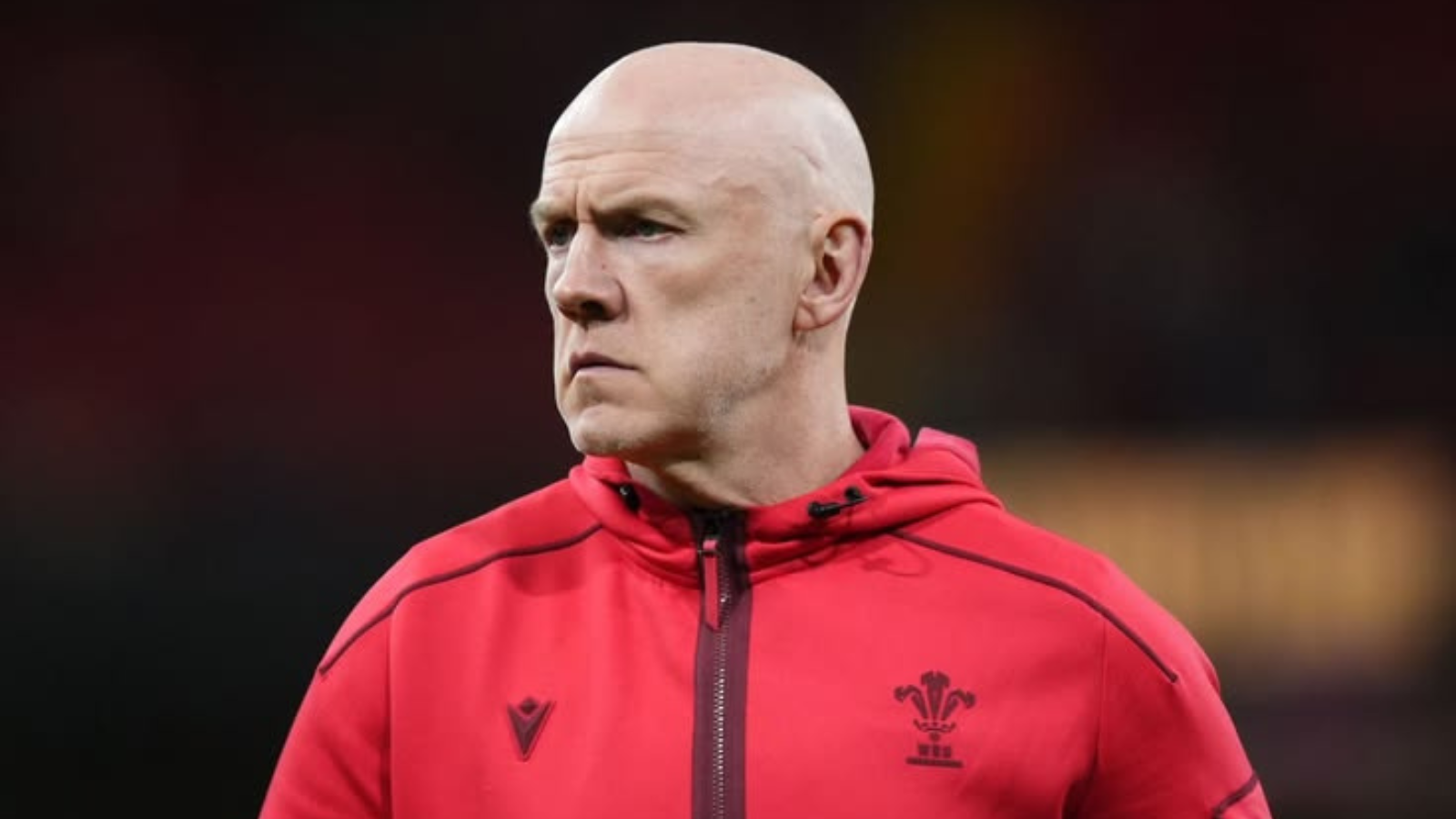

When Steve Tandy agreed to join Wales’ national set‑up, he thought he was stepping into one of the most coveted coaching roles in northern hemisphere rugby, not into the eye of a political storm. Instead, the former Ospreys head coach has found himself navigating a maze of loyalties, expectations and regional rivalries that few outsiders fully understand.
Tandy’s journey from regional stalwart to international assistant was supposed to be a straightforward story of professional ascent. Yet as tensions have grown between Ospreys and Cardiff over funding structures, player pathways and perceived favouritism, every selection meeting and tactical tweak around the Wales camp has begun to carry a political echo. In a rugby culture where regions are more than just teams, but extensions of community identity, a coach can feel the weight of history every time he picks up a pen to mark a starting XV.
The result is a role that goes far beyond drills and defensive systems. For Tandy, the job now requires the instincts of a diplomat, the skin of a politician and the emotional bandwidth of someone who knows he will never fully satisfy all sides. The field is still 100 metres long, but the ground he must cover off it is far more treacherous.
Old Roots, New Pressures
To understand why this saga feels so personal, you need to trace Tandy’s roots back to his Ospreys days, when he was a young coach promoted from within to lead a region that prided itself on resilience and homegrown talent. For many supporters, he is not just another coach passing through but a symbol of a particular era, when the region was forging its identity against domestic and European rivals. That history lingers every time his name appears next to a Wales team sheet that includes or omits an Ospreys player.
Cardiff, meanwhile, carry their own sense of status and grievance. The capital club has long viewed itself as a standard‑bearer for Welsh rugby, with a fan base that expects representation at the national level commensurate with its history and market. When selections appear to skew toward one region, even marginally, it feeds an anxiety that decisions are being made in back rooms rather than on the training paddock.
Caught between these legacies, Tandy faces scrutiny that often reads more like a referendum on regional politics than on pure rugby logic. A promising defender from Ospreys gets a run and Cardiff voices ask whether an equally deserving player was overlooked; a Cardiff debutant shines and whispers from the west question whether the pendulum has swung too far the other way. In that environment, every coaching decision acquires a subtext that can feel inescapable.
Inside The Wales Bubble
Within the Wales camp, the official line is that selection is based on form, fitness and tactical need. Coaches talk about cohesion, combinations and the demands of modern test rugby, not which postcode a player comes from. Yet players are not immune to the noise that circulates outside the training ground, and neither is Tandy.
The “Wales bubble” is designed to insulate the squad from external pressures: limited media access, tightly controlled narratives, and a constant emphasis on collective standards rather than club allegiances. For the most part, it works. But when regional disputes spill into public view through statements, leaks or social media crossfire, they inevitably seep into conversations in hotel lobbies and team rooms.
Tandy’s challenge is to maintain credibility in that environment. He must be seen as scrupulously fair by players who know his past and understand where the loudest pressure points lie. The work becomes less about drawing lines on defensive maps and more about drawing boundaries in relationships, making clear that the jersey they all serve sits above any regional flag.
The Human Cost Of A Rugby Power Struggle
For all the tactical sophistication attached to modern test rugby, situations like this reveal the human cost of the sport’s off‑field power struggles. Tandy is a professional who will be judged externally on results, defensive stats and tournament outcomes. Internally, though, he is also living with the daily friction of being a central figure in a narrative he did not script, and that he cannot fully control.
There is a particular fatigue that comes from constantly justifying your neutrality. People who knew you “before” think they know your heart; people who only see your current role imagine invisible allegiances. When every public decision is read as a signal of where you stand in a regional feud, the room for honest error narrows, and the tolerance for nuance disappears.
Yet within this tension lies an uncomfortable truth about elite sport in small rugby nations. The same intimacy that makes the game feel rooted and authentic also makes disputes intensely personal. For Steve Tandy, the task now is not only to help Wales defend their line but to defend his own integrity in a landscape where every tackle, every team sheet and every press conference answer is parsed for clues about which side he is really on.