

For decades, championship teams have come to expect a symbolic follow-up to a title run: an invitation from the sitting U.S. president. It’s framed as a public nod to excellence, a formal congratulations delivered on the nation’s most recognizable political stage, and—at least in theory—a brief moment where athletes can be celebrated beyond the rink, field, or court.
In recent years, though, that tradition has started to look less automatic. More teams have opted out of White House appearances, and the decision has become part of the larger conversation about politics, public life, and what it means to accept recognition from an administration. Under President Donald Trump, that trend became especially visible, with multiple teams choosing to keep their distance rather than treat the invitation as an obligation.
The backdrop matters here, because it shapes how every new invitation is interpreted. Trump’s conduct and style in office alienated many Americans, and that tension spilled into the sports world. With that in mind, even routine gestures—like extending an invite—could land as something more charged than a simple “well done.”
A different kind of invite after Olympic gold
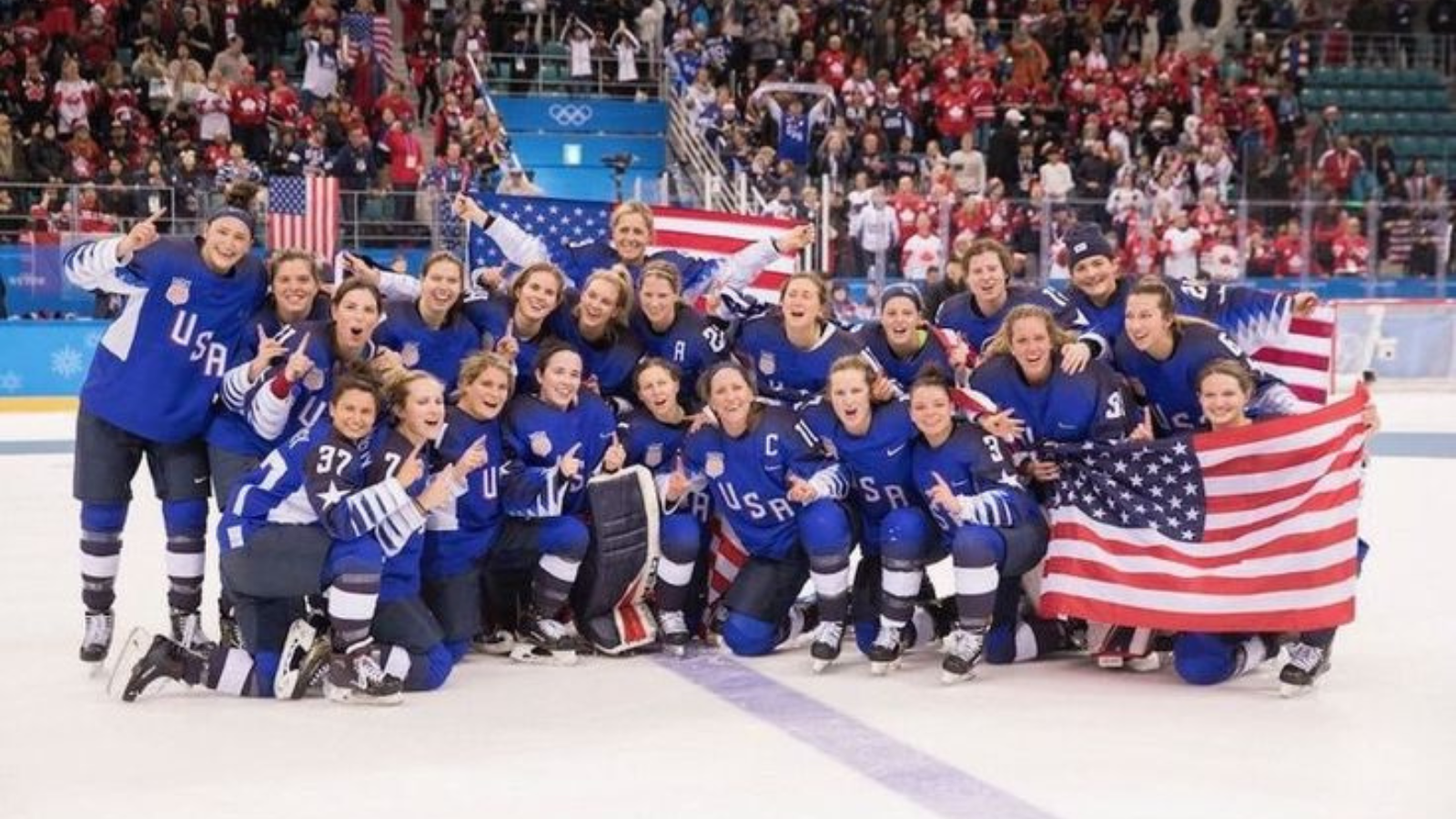
After the U.S. Olympic women’s hockey team captured gold, the White House took an approach that wasn’t the standard post-championship visit. Instead of inviting the players for a customary ceremony, Trump asked the team to attend his State of the Union address, a high-profile event with a very specific political setting and a built-in national audience.
That shift in format inevitably drew attention. The State of the Union is not just a celebratory backdrop; it’s a signature moment in a presidency, designed to highlight policy goals and command the country’s attention. Placing a championship team in that environment can read as recognition, but it can also be viewed as a form of association, whether or not the athletes intend it.
When the women’s hockey team did not appear in the chamber for the speech, the absence quickly became a story of its own. In a climate where teams have declined invitations before, it didn’t take long for observers to attach broader meaning to a decision that, on the surface, might have been logistical.
What the team said, and why speculation followed
In the aftermath, some people looked for an underlying message in the team’s nonappearance. But the explanation offered was far more practical. According to NBC News, the team released a statement indicating that scheduling—rather than a political stance—kept the athletes from attending.
A USA Hockey spokesperson expressed appreciation for the invitation and the acknowledgment of the team’s achievement, while making clear that the timing didn’t work. The statement pointed to previously arranged academic and professional responsibilities following the Games, commitments that had already been set before the invitation arrived.
That kind of reasoning can sound mundane, especially against the louder narratives that often surround sports and politics. Still, the reaction makes sense in context: because declining invitations has become more common, and because many such decisions during the Trump years were interpreted through a political lens, a simple “we can’t make it” was unlikely to end the conversation.
In the end, the team’s position was straightforward. They valued the recognition, but their post-Olympics schedule was already spoken for. The rest—the rumors, the theories, the rush to interpret absence as statement—grew in the space between a traditional expectation and an era when tradition no longer guarantees participation.